
Air Pollution: PM2.5, AQI and Everyday Decisions
Understand air pollution, PM2.5 and AQI, learn why monitoring readings differ, and use official health guidance when planning outdoor activity.
Check the source, publication date and examination session before relying on it.
Air pollution describes harmful substances in the air, including particles and gases. PM2.5 refers to fine particulate matter, while an air quality index translates monitoring information into a reporting scale. A concentration, an index number and a weather description are different kinds of information and should not be used interchangeably.
Why PM2.5 matters
WHO identifies outdoor air pollution as a health concern. Fine particles are small enough to enter deep into the respiratory system. The appropriate response depends on the pollutant level, duration of exposure and individual circumstances; a general article cannot diagnose symptoms or replace personal medical advice.
Children and people with certain existing health conditions may need particular care. Follow current public-health guidance and a clinician's advice for an existing treatment plan rather than changing medication because of a social-media post.
Read the index and its source
Different reporting systems can use different scales, averaging periods and breakpoints. Check which AQI system a service uses before comparing two numbers. A sensor beside a busy road may also record different conditions from a station farther away.
Note location, timestamp and pollutant. A yesterday screenshot should not be labelled today's reading. A visible haze is not a precise measurement, and clear-looking air does not establish that pollution is absent.
Make practical activity decisions
Use official local advice to plan outdoor exertion, school activities and travel. Conditions can change during the day. Indoor air quality depends on the building, ventilation and sources inside it, so closing a window is not a universal solution for every situation.
Avoid claims that a simple household remedy removes the health risk. Equipment and protective measures need to be used according to credible guidance and their actual specifications.
Learn through a small data project
Record the same monitoring source at the same time for several days. Compare the readings with weather observations without assuming that correlation proves a cause. Explain missing data and avoid making a medical conclusion from a classroom chart. Our science resources can support the worksheet.
Sources and image credit
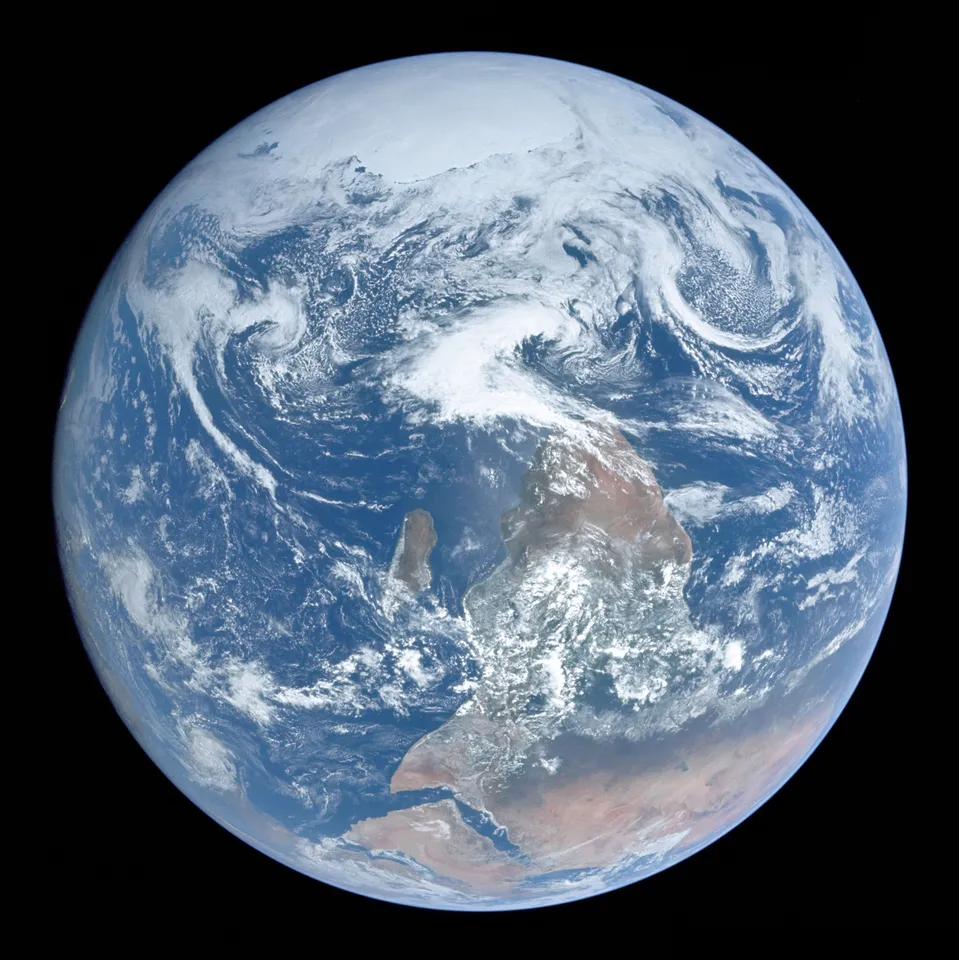
Image: NASA, Public domain. Earth photographed by Apollo 17 in 1972; historical illustration. Resized to fit within 1280 × 960 pixels without cropping; converted to WebP. No endorsement implied.
Need Direct Access to this Notification?
Check the original source for the latest instructions and any corrections.
Result dates, fees and eligibility must be checked against the board's current notice. Report a correction with the article URL and original source.