
Aishwarya Rai Bachchan: Acting, Advocacy and Reading Celebrity Claims
Explore Aishwarya Rai Bachchan’s documented public roles, ambassador references and practical ways to distinguish archive images from celebrity rumours.
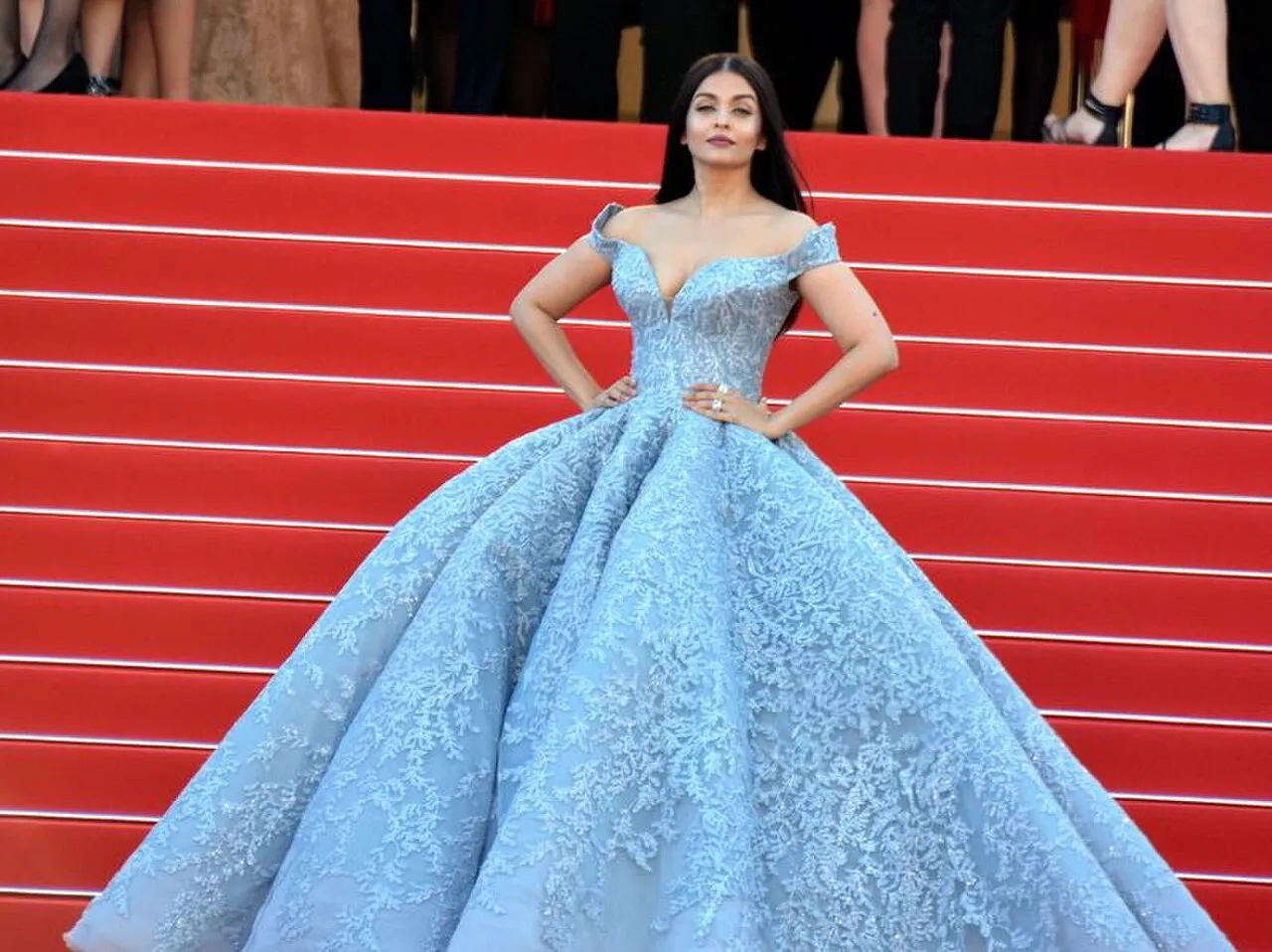
Aishwarya Rai Bachchan: a professional profile beyond rumours
Aishwarya Rai Bachchan's public work spans acting, international brand representation and advocacy. L'Oréal Paris lists her among its ambassadors, while UNAIDS maintains a page identifying her goodwill-ambassador role. Those primary references provide a sound basis for a professional introduction without relying on private-life speculation.
This is a profile and media-literacy guide checked on 12 November 2026, not a claim that a specific new film, engagement or personal event has been announced. A name appearing in a trend list does not establish the reason for the attention.
That distinction is particularly important because search results can contain automatically generated celebrity rumours and hypothetical obituary pages. This article does not reproduce those as news or turn a page's date into evidence that its claim is true.
Different public roles need different descriptions
| Role | What the label describes |
|---|---|
| Actor | Performance in a screen production |
| Brand ambassador | A public commercial or representational relationship |
| Goodwill ambassador | Advocacy associated with an organisation's work |
These roles can belong to the same person while serving different purposes. A fashion-event appearance is not automatically a film premiere. A goodwill title does not make a celebrity a clinician or establish that every health claim in a fan post has been approved by the organisation.
Read the event and source before summarising an appearance. A photograph can be genuine yet miscaptioned with the wrong year or purpose. Identifying the correct role prevents a professional profile from becoming a mixture of unrelated assumptions.
What an ambassador page can establish
The L'Oréal Paris page identifies a brand relationship and includes public promotional material. It is an appropriate primary source for that relationship. It is not an independent assessment of every product or a guarantee that the product suits every person's circumstances.
Similarly, the UNAIDS page provides organisational context for advocacy. A reader interested in the underlying subject should follow the organisation's evidence and public-health information rather than infer medical facts from a celebrity photograph.
This is not a criticism of public advocacy. Recognisable figures can draw attention to an issue. The important reading habit is to distinguish the person raising awareness from the technical evidence needed to answer a health or policy question.
Film performance and public image are not the same thing
An actor's screen work should be assessed through the particular production and role. Public appearances, styling and interviews may shape an audience's expectations, but they do not replace the performance itself. A thoughtful response identifies what the actor does in a scene rather than relying entirely on an image created around the release.
For students, choose a short authorised clip and notice one element: expression, movement, timing or interaction with another performer. Describe the observation precisely before deciding what it suggests. This gives a discussion a firmer basis than repeating a broad label such as “iconic.”
Also distinguish a character's actions from an actor's private views. Fiction can portray conflict, error or unpleasant behaviour without making the performer the same person as the role. The principle applies across every actor's work, not only to a prominent name.
How old photographs become new rumours
A public figure's archive contains years of appearances. When an image is reposted without its original date, it can seem to document a fresh event. A caption may then add a claim about a relationship, career change or supposed conflict that the photograph does not establish.
Start by finding the earliest identifiable context and reading the original description. Compare the venue, accompanying people and publication date. A current upload date only tells you when that copy appeared, not when the photograph was taken.
Do not use an automatically updated gossip page as a confirmation source. Some pages generate dramatic claims around names and dates without reporting a real event. A credible article should identify an actual announcement or verifiable public record.
A practical checklist for readers
Ask what the headline is claiming, what evidence supports it and whether the source has a relevant role. An official brand page can establish an ambassador listing. It cannot, by itself, establish a private marriage claim or a new film's release date.
Then check the distinction between quotation and paraphrase. A direct quote needs an identifiable speaker and context. A fan's interpretation of an expression in a photograph is not a quote and should not be presented as one.
Finally, consider whether a private detail is necessary at all. A useful professional introduction can discuss acting, public representation and advocacy without publishing family logistics, addresses or speculative medical information. More detail is not automatically better information.

Archive public appearance. The image is not presented as a L’Oréal or UNAIDS event.
Questions readers are asking
Does this page announce a new personal event?
No. It provides a documented professional profile and explains how to check current claims. It does not treat trending interest as proof of a wedding, separation, illness or death. A new event needs its own reliable source.
Does an ambassador title amount to medical advice?
No. Advocacy and clinical expertise are different roles. For health questions, consult appropriate evidence and qualified guidance rather than interpreting a public appearance as a personalised recommendation.
Can an archive image be useful?
Yes, if the subject and date are identified honestly. An older portrait can illustrate a profile without pretending to show a new event. Clear captions preserve that distinction and help readers recognise recycled visual material.
Explore other source-based profiles in the RayTech article collection. A respectful profile should make the public work easier to understand, not manufacture an event to explain a search trend.
Cannes provides a specific professional record
The Cannes festival's own archive identifies Aishwarya Rai in its 2003 jury record. Its film record also identifies Devdas with the 2002 edition and lists her as Paro. These are specific professional references, stronger than treating every photograph from Cannes as an undifferentiated fashion appearance.
The dates describe different activities. A film's presentation and a later jury appointment are not the same event. Keeping them separate helps explain how a person can attend a festival in more than one professional capacity over time.
A festival jury role concerns evaluating the relevant films within that event. A performance credit concerns participation in a production. A red-carpet photograph can document an appearance, but the image alone does not tell the viewer which of these roles applies. The archive supplies the context that the photograph may omit.
For a student preparing a profile, create one row for each activity and include the year, role and primary source. That method produces a clearer professional chronology than a long collage of pictures with no dates. It also reduces the risk of turning an old event into an apparent new announcement.
Begin a screen-performance discussion with a scene
A professional profile can recognise public achievements while still encouraging attention to the work itself. Choose a lawfully available scene or excerpt and identify what the character appears to want. Then look at the performance choices that communicate that objective.
An expression can change as another character speaks. A pause can delay an answer. A movement can bring two people together or create distance. These observations give a discussion something concrete to examine, unlike a broad adjective that could be applied to almost any appearance.
Do not confuse describing an effect with knowing the performer's private intention. Saying that a pause makes a reply feel reluctant is an interpretation of the scene. Claiming that the actor used it for a particular undisclosed personal reason requires evidence beyond the performance.
The film's other elements matter too. Framing, editing, music and dialogue can shape how a performance is received. Recognising collaboration does not diminish the actor. It makes the explanation more accurate by acknowledging that a screen moment is usually produced through several forms of work.
Distinguish public recognition from a universal ranking
An award, a festival role and a prominent brand relationship describe different kinds of recognition. None needs to be inflated into a claim that every audience must assess every performance in the same way. A profile can state documented achievements without manufacturing a unanimous verdict.
Readers also arrive through different experiences. One may know a film, another a public campaign, and another a festival appearance. Those points of entry can coexist. A useful introduction connects them through clearly described roles rather than assuming that familiarity with one establishes knowledge of all the others.
If comparing performances, identify what you are comparing: the character's development, a particular scene or the use of a performance technique. Comparing two unrelated photographs does not provide the same basis for judging acting. The material should match the question.
For an educational exercise, write a factual sentence followed by an interpretive one. The first might identify a credited role. The second might explain what you noticed in an authorised excerpt. Keep the distinction visible so that another reader can agree with the record while offering a different interpretation.
Read an advocacy profile through the organisation's purpose
An advocacy role can draw public attention to an organisation's work, but the role and the underlying evidence should remain distinct. When a public figure appears in a campaign, follow the organisation's own materials to understand what the campaign is asking people to learn or do.
Do not infer a personal health history from participation in a public-health initiative. A goodwill appointment is a public professional fact, not permission to speculate about the ambassador or other people pictured alongside them. A profile should explain the role without creating a private medical narrative.
Similarly, an organisation's factual guidance should be read directly rather than reduced to a celebrity's presence. For a student researching the issue, the relevant next step is to consult the institution's evidence and definitions. The recognisable name can be an entry point, but it should not become the entire explanation.
This distinction is particularly helpful when public posts combine a real campaign image with an unrelated health claim. The image may be authentic while the attached statement is unsupported. Check the exact campaign material before assuming that the organisation endorsed the new wording.
Understand what commercial representation does not tell you
A brand's ambassador listing establishes a representational relationship within the scope of that source. It does not establish that a product was independently tested by every person appearing in the campaign or that the same product will suit every consumer.
When reading promotional material, identify the format. An advertisement, an interview and an independent product assessment serve different purposes. A profile can cite a brand page for an ambassador relationship while remaining clear that the page is commercial material.
Do not use a celebrity appearance to invent a release date, ingredient claim or individual recommendation. Those details need the relevant product information and appropriate evidence. The simple fact of representation cannot answer every question a consumer might have.
This is a reading skill that applies beyond any one actor or company. Ask what a source is in a position to establish, then keep the conclusion within that scope. It is possible to appreciate a campaign's visual presentation without treating it as an independent scientific report.
Build a profile that can be updated honestly
A useful profile has a stable foundation and a clear place for new developments. The stable foundation includes verified roles and dated professional records. A new film, appointment or statement should be added only when a suitable source establishes it, with the event date distinguished from the publication date.
Avoid changing an old photograph's caption to make the page appear current. If the image remains an archive illustration, label it that way. Freshness should come from actual new information or a genuine review of the existing record, not from a misleading date on unchanged material.
When correcting a detail, identify the specific error and replace it with the supported information. There is no need to rewrite the entire career as though the earlier mistake revealed something about the person's character. A precise correction is both more respectful and more useful.
The resulting profile can remain valuable after a search trend fades. It gives readers documented points of entry into acting, festival participation and public representation while showing how to evaluate new claims. That is a stronger foundation than a headline built around an event that no reliable source has actually announced.
Sources
Image credits: cover: Georges Biard, source, CC BY-SA 3.0. Resized and converted to WebP. inline: Bollywood Hungama, source, CC BY 3.0. Resized and converted to WebP.
Found an error or an outdated detail? Report a correction with the article URL and original source.