
Auqib Nabi: New Zealand ODI Squad Update and His Red-Ball Background
Read Auqib Nabi’s confirmed New Zealand ODI squad update and Surrey background, with clear distinctions between selection, a debut and actual appearances.
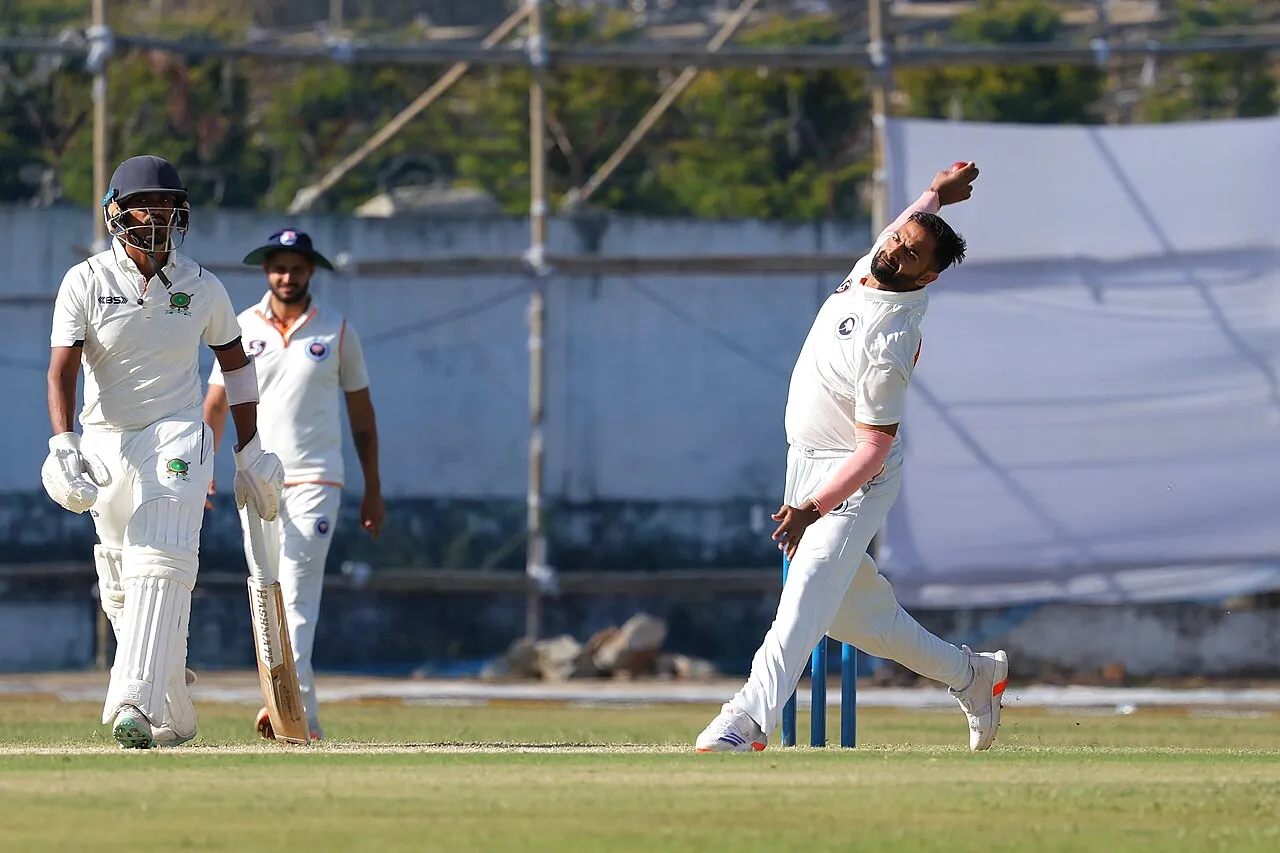
Auqib Nabi was added to India's squad for the first three ODIs against New Zealand in a BCCI update dated 31 October 2026. The board says he had initially been included for the fourth and fifth ODIs and would now join the group from the start of the series. Selection in the squad is not confirmation that he will play every match.
The right-arm pacer's recent background also includes a three-match Surrey announcement and a strong Ranji Trophy campaign. This guide explains the confirmed update and those separate record categories without inventing a debut, a guaranteed starting place or statistics from a match that has not been verified.
What changed in the New Zealand squad?
The change concerned when Nabi joined the ODI squad, not a claim that the series had already been played. The update brought him into the group for the opening three matches in addition to the later-match inclusion described by the board.
That distinction matters for a headline. “Added for the first three ODIs” accurately identifies an availability and selection update. “Took wickets in all three ODIs” would describe performances that require actual scorecards. One statement cannot be expanded into the other simply because the fixtures are approaching.
The article does not supply a guessed playing eleven. Selection decisions, fitness and the match situation remain separate from the published squad list. Use the official team sheet for a question about who takes the field on a particular day.
A short, sourced career snapshot
| Record or event | What the reviewed source establishes |
|---|---|
| Bowling description | Right-arm pacer in the BCCI update |
| Domestic team context | Jammu & Kashmir in Surrey's profile |
| Recent red-ball campaign | Sixty wickets in the Ranji Trophy campaign described by Surrey |
| County announcement | Available for three September fixtures for Surrey |
| October ODI update | Added to the first three New Zealand ODIs |
The rows belong to different competitions and dates. They should not be merged into one season total or treated as proof of the same role in every team. A domestic achievement and a national-squad decision can be related without being identical record entries.
For a current numerical profile, preserve the competition filter and update date. A red-ball record viewed in September may not be the same sample as a later international or franchise record.
What did Surrey announce?
Surrey's 1 September account said Nabi was available for its next three County Championship fixtures against Yorkshire, Sussex and Glamorgan. It described his recent India squad involvement and his domestic red-ball performances as background to that short-term arrangement.
An availability announcement is not a report that all three appearances occurred or that each produced a particular result. Those questions require the completed match records. This article does not turn the intended run-in into an invented season-long contract or a guaranteed total of county wickets.
The club's account also provides useful context for the format. County Championship cricket and an ODI series offer different structures and demands. A reader should keep each achievement in the category where it occurred.
Why the Ranji Trophy record is relevant
Surrey described a sixty-wicket campaign, including significant knockout contributions, while explaining the signing. That establishes a documented red-ball foundation for the player profile. It does not by itself predict the economy or wicket return of a future fifty-over appearance.
Longer-format bowling can involve different spells, innings structures and match situations from limited-overs cricket. A successful record demonstrates performance in its actual setting. Translating it into another setting requires observation rather than a promise that the same numbers will repeat.
For supporters, the sensible question is how the skill set is used in the new assignment. That can be discussed once the relevant team selection and match evidence exist. It need not be answered in advance by inventing a perfect debut or declaring an inevitable failure.
Squad, debut and appearance are three different terms
A squad is an announced group. A debut is the first appearance in a particular recognised category. An appearance is participation in an actual match. A first squad selection does not automatically establish the date or even the occurrence of a debut.
The category matters too. A first-class debut, an India A appearance and a senior ODI debut are different milestones. A profile can accurately discuss one without silently relabelling it as another to make the headline sound larger.
When checking a claim, ask which team and format the writer means. “Made his debut” without those details is incomplete. The October update confirms squad inclusion; this article does not infer a new international cap from that administrative event alone.
What does right-arm pace tell you?
It identifies the bowling arm and broad pace role. It does not specify the speed of every delivery, the direction of movement or a complete technical method. A scorecard description is a starting point for understanding a player, not a replacement for measured or observed detail.
Avoid adding a precise maximum speed merely because a bowler is described as quick. A speed claim requires an appropriate measured source. Likewise, an angled ball, a swinging ball and a seaming ball are not interchangeable descriptions of every delivery from the same bowler.
For a specific wicket, use footage or a credible technical account alongside the scorecard. The dismissal outcome alone does not establish exactly what the ball did before reaching the batter.
How should a wicket-taking campaign be assessed?
Begin with the wicket total, matches and innings in the sample. Then examine the conceded runs and legal balls where available. Each supplies a different part of the picture. A large total shows accumulated success, but opportunity and rate provide additional context.
Bowling average relates runs conceded to wickets, while bowling strike rate relates legal balls to wickets. Neither is simply wickets divided by matches. A calculation can be arithmetically correct while being assigned the wrong statistical label.
The published description of Nabi's campaign should remain attached to its actual sample. This guide does not reverse-engineer an exact conceded-run total from a rounded average or invent missing innings to make a complete-looking table.
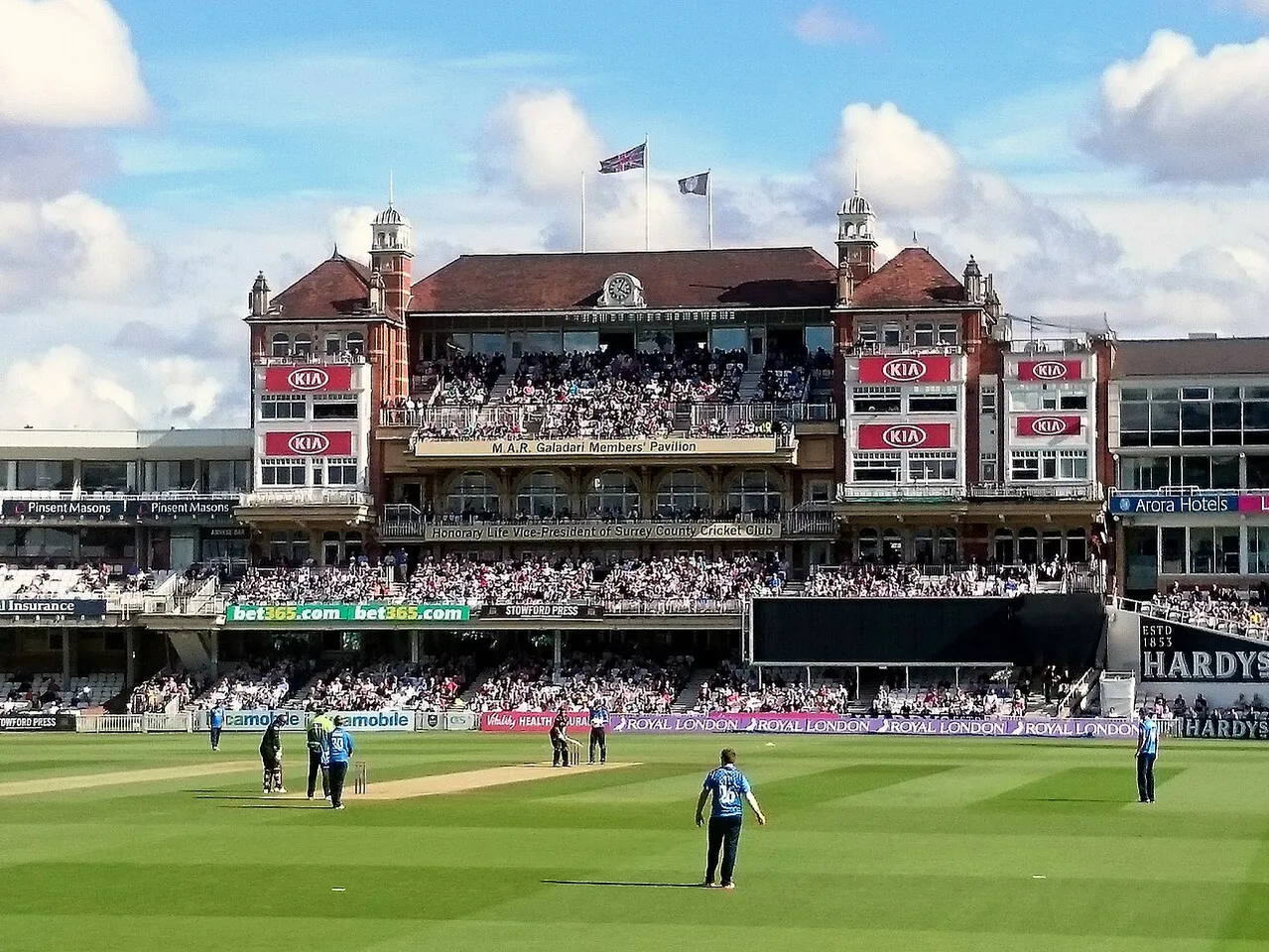
County-cricket venue context, not a photograph of Nabi playing one of the announced Surrey fixtures.
Why a rounded average cannot recover every original input
Suppose a fictional table displays a bowling average rounded to one decimal place. Multiplying that displayed value by the wickets can give an estimate, but not necessarily the exact original runs conceded. The rounding may have discarded information.
The same principle applies to a phrase such as “just over” a particular average. It is a useful description, not a fully specified decimal value. Treating it as exact can introduce false precision into a player profile.
For research, prefer the underlying scorecard or complete statistics table when an exact calculation matters. If those inputs are unavailable, retain the published wording rather than replacing it with a number that looks more precise than the evidence.
What changes in an ODI assignment?
An ODI places the bowler within a limited-overs innings and the applicable allocation and fielding conditions. The task can depend on whether the bowler opens, works through the middle or bowls near the end. Those contexts should be visible in an analysis of actual figures.
An expensive spell at one stage and a low-economy spell at another cannot automatically be treated as identical opportunities. At the same time, role differences are not permission to invent a hidden team plan. A specific claim about the assignment needs evidence.
For Nabi's upcoming series involvement, the reviewed announcement establishes the squad change. It does not identify every over he will bowl or guarantee the tactical role a commentator expects him to receive.
Does an India A appearance count as a senior ODI?
No automatic equivalence should be assumed. The team label and recognised match category determine the record. An India A fixture can be an important development event without becoming a senior national-team appearance by implication.
The same boundary applies to county and franchise cricket. A player can move across several teams and competitions during a season, but those appearances still belong to their own statistical headings. A combined professional total needs a clearly stated inclusion rule.
This is useful when reading fast-moving selection news. Several milestones can appear close together in a timeline, making a short biography seem to describe one continuous international sample when it is actually moving between categories.
How do you compare performances across conditions?
Keep the opponent, venue, format and match phase with the figures. Those details do not automatically explain every result, but they prevent an isolated number from carrying more meaning than it can support. A five-wicket return in one setting is not a guarantee of the next one.
Do not assume pitch conditions from a country's name alone. The actual surface, weather and ball condition can differ. If a report has not verified them, it should not present a confident description of movement or pace as observed fact.
For a balanced comparison, identify what is recorded, what was observed and what remains interpretation. That framework allows enthusiasm for a player's opportunity without claiming access to evidence the writer does not have.
What should a supporter check on match day?
Find the actual fixture, confirm its date and format, then check the announced eleven. If Nabi is selected, the scorecard will show his participation and subsequent figures. If he is not, that match should not acquire an invented appearance in a career summary.
A team graphic shared before the toss may be a predicted eleven rather than an official one. Look for that label. Predictions can be part of pre-match discussion, but they should not be copied into a factual record after losing the qualification word.
After play, use the completed status rather than an old live snapshot. A bowling spell can continue after a screenshot was captured, and the final figures can differ from the interim numbers circulated during an innings.
Why the update date belongs in a headline or opening
A squad can change more than once during a tour. The October announcement describes a particular update, not every later change. Keeping the date with the statement helps readers distinguish it from another notice or an old squad graphic.
The date also prevents a routine profile from masquerading as breaking news. The source here is a real dated selection update, while the surrounding explanation provides context. No new injury, replacement reason or private selection discussion has been invented to make the article seem more dramatic.
If a later official notice supersedes part of the list, preserve the timeline and update the current status clearly. Do not pretend that an earlier accurate announcement never existed, and do not use it to override a later change.
Questions about Auqib Nabi
What did the 31 October BCCI update say?
It added him to the squad for the first three ODIs against New Zealand after an earlier inclusion for the fourth and fifth matches. That is a selection and timing update, not a completed-match performance report.
Was he guaranteed to play the opening ODI?
The reviewed notice does not provide that guarantee. The match's official playing eleven establishes actual selection for the fixture. A squad list and an individual appearance must remain separate records.
Were his Ranji wickets international wickets?
No. They belong to the domestic red-ball campaign described by Surrey. They are relevant background, but should not be added to a senior international total under a different competition label.
Was the Surrey arrangement a whole-season signing?
The reviewed club announcement described availability for three named September fixtures. This article does not expand that scope into a longer contract or claim unverified results from those matches.
Follow the opportunity without inventing the outcome
The confirmed story is that Nabi's ODI squad involvement was brought forward to the beginning of the New Zealand series. His domestic and county background helps explain the wider profile, while the actual international match record must be established through the fixtures themselves.
Read our cricket articles for related coverage and class resources for further learning. Review date: 3 November 2026. No future wicket return, debut or starting-eleven place is predicted as a fact.
Sources
- BCCI: Auqib Nabi added for the first three New Zealand ODIs, 31 October 2026, for the precise squad change.
- Surrey: Auqib Nabi joins for three matches, 1 September 2026, for the dated county arrangement and domestic red-ball context. General statistical examples above do not reconstruct unpublished career inputs or additional match performances.
Image credits: cover: Tungtap, source, CC BY-SA 4.0. Resized and converted to WebP. inline: Mark Percy, source, CC BY-SA 2.0. Resized and converted to WebP.
Found an error or an outdated detail? Report a correction with the article URL and original source.