
Australia vs Afghanistan: Hong Kong Sixes Cup Final Preview
Compare the confirmed Australia and Afghanistan Sixes squads, their semi-final routes and the batting-resource questions behind the 1 November Cup final.
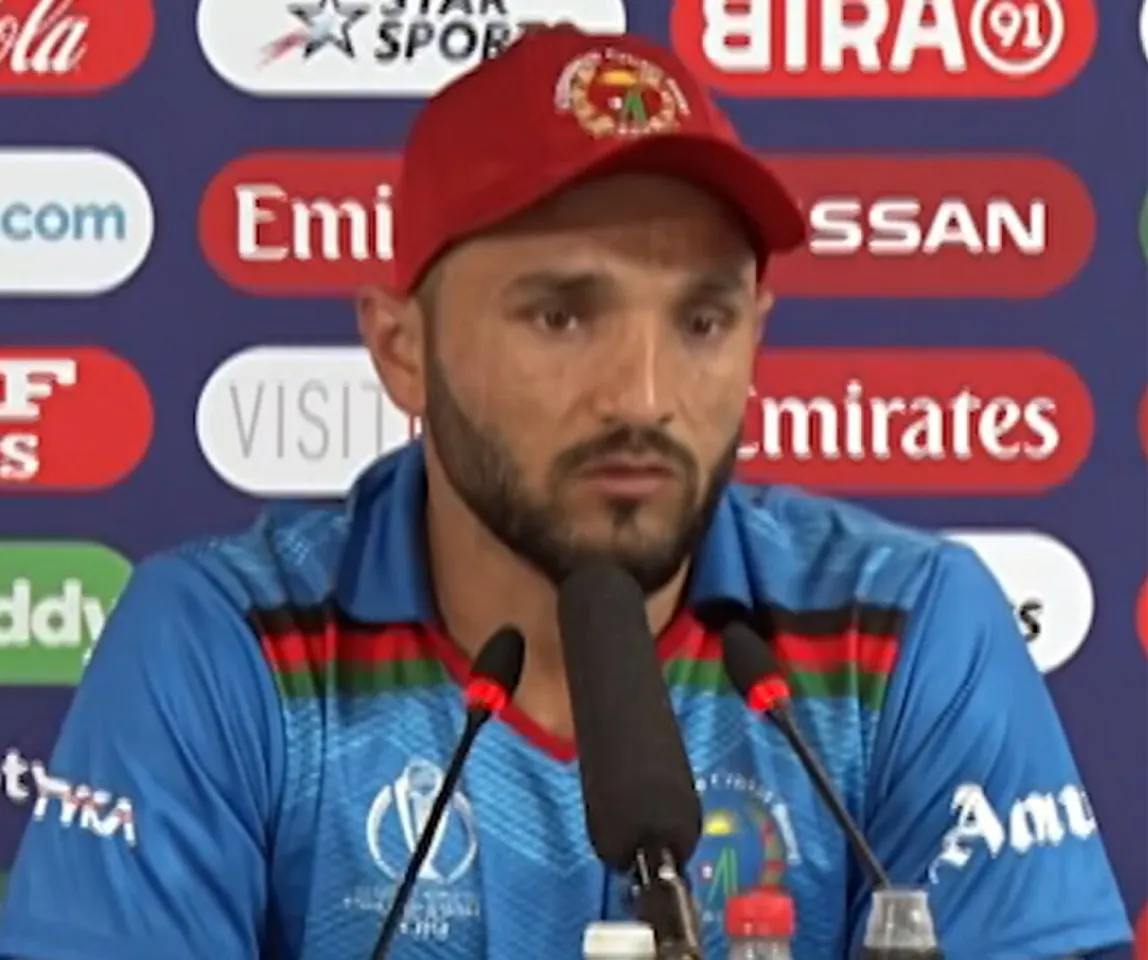
Australia and Afghanistan are the named Cup finalists in the Hong Kong Sixes schedule for 1 November 2026. Unlike the Plate and Bowl finals, this meeting decides the overall title. The published 15:10 Hong Kong slot converts to 12:10 PM Pakistan time. This is a dated final preview: a completed winner was not established in the organiser records checked for this article.
The verified preparation offers a substantial comparison without a predicted score. Chris Green leads Australia's announced squad, while Gulbadin Naib leads Afghanistan's. Both sides reached the final through completed semi-final wins, and their seven-player tournament groups provide different ways to distribute batting, bowling and fielding work across six players.
Who is in Australia's announced group?
The organiser's squad release names Chris Green as captain with Jack Wood, Max Bryant, Nick Hobson, Kane Richardson, Alex Ross and Matt Kelly. That is the tournament group, rather than confirmation of the six selected for every individual match.
The mix matters because Sixes requires more than identifying the most famous international names. A short innings rewards immediate contribution, and the small fielding unit creates multiple responsibilities. Selection is a balance of roles within this event's conditions.
For a practical preview, separate the likely questions from the confirmed answers. The captain and seven announced names are established. The exact opening partnership, final bowling allocation and any substitution for this match require its own record.
The Australia team-format guide explains why a national name can cover different squads and competitions. The Sixes group should not be replaced with a Test or ODI list simply because it appears more familiar.
Who is in Afghanistan's announced group?
Gulbadin Naib's announced group includes Farmanullah Safi, Imran Mir, Abdul Rahman, Karim Janat, Nangeyalia Kharote and Sediqullah Pacha. The organiser places the side within this specific six-a-side tournament, not a full-length international series.
That distinction prevents a common preview mistake: assuming a prominent player from Afghanistan's wider international setup must be present. The event squad supplies the relevant pool. A photograph of another national player cannot establish selection.
The all-rounder performance guide offers a useful way to examine multiple roles. Its method is to assess each contribution and assignment separately rather than treating the all-rounder label as proof of equal responsibility in every discipline.
In this final, watch how the selected six divide their tasks. A player's value may include an over, a boundary save and a short batting contribution. Those actions should be described from the match itself rather than inferred from a broad career reputation.
How did the finalists qualify?
The organiser's semi-final report records Australia's 53-run win over UAE and Afghanistan's 21-run win over Scotland. Those results establish the routes to the final. They do not establish a head-to-head advantage or a guaranteed outcome when the two winners meet.
A winning margin describes the completed match against a particular opponent. Comparing two margins as though they measured identical difficulty ignores the opposing batting, conditions and innings sequence.
For a fictional analogy, a side can defend 120 against one opponent more comfortably than another defends 140 against a stronger chase. The larger total or margin is useful information, but it needs context before it becomes a prediction.
The semi-finals also belong to the past when discussing this fixture. A score from one of them should remain labelled with its opponent and date. Do not paste an earlier batting line into a final preview as if it were a live contribution.
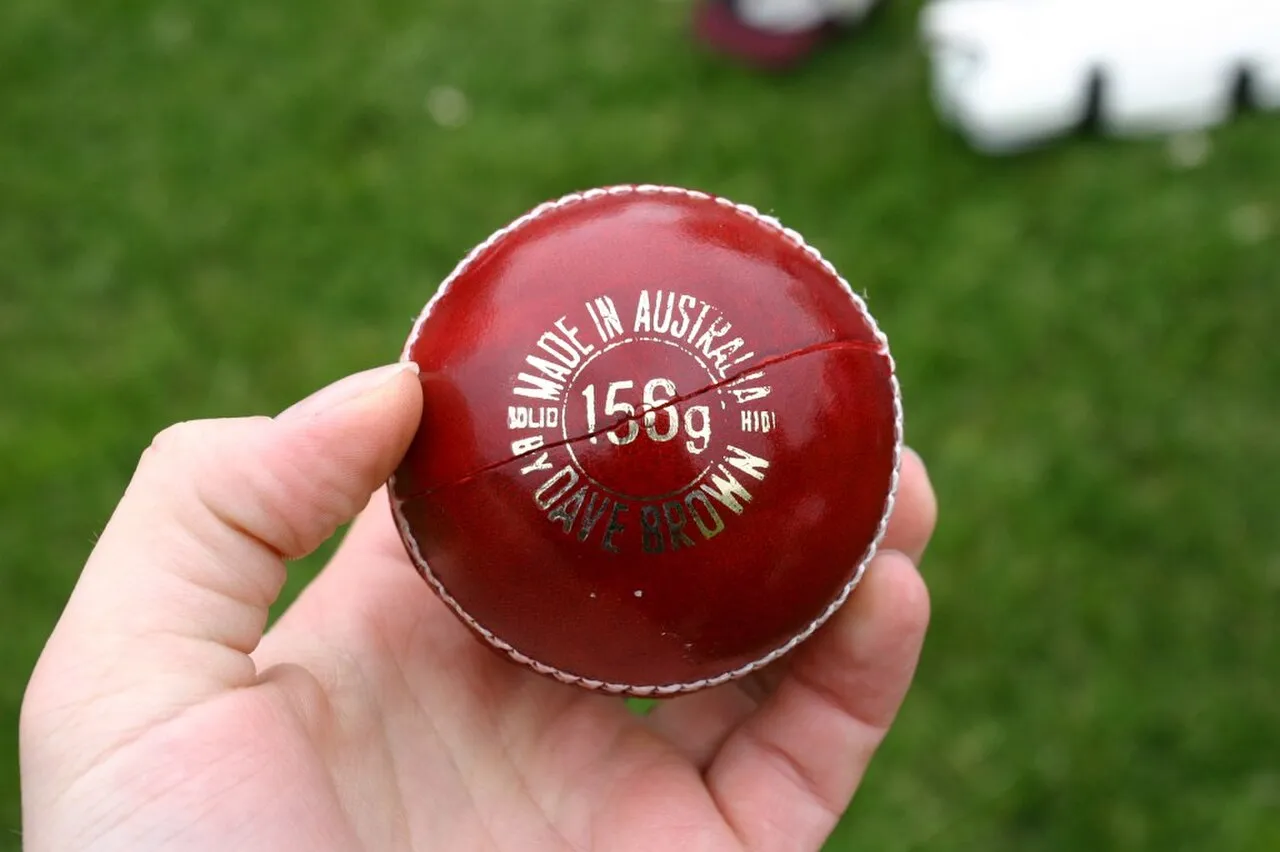
Illustrative red-ball equipment, not a ball from the Sixes final. Format and equipment context should remain separate.
What does six overs demand from a batting partnership?
A full innings supplies 36 legal deliveries, leaving limited time for a partnership to recover from a slow passage. The partners need a shared understanding of scoring routes, running and who faces the next delivery.
Strike rotation can matter alongside boundary hitting. A single changes the striker and adds a run; a dot preserves the same match equation while consuming a legal ball. Several dots can therefore increase the demand for a later boundary.
That does not make every defensive response wrong. A difficult delivery may offer no sensible attacking option. The useful question is whether the partnership identifies the next scoring opportunity without allowing one quiet passage to become a sequence of avoidable dots.
For a viewing note, record the first twelve legal balls as three fields: runs, wickets and scoring areas. Then compare the next twelve. This can reveal whether the batters adjusted to a particular field or continued targeting the same area.
How can a captain think about bowling allocation?
The allocation must follow the event's playing conditions, so familiar T20 limits should not be assumed. Within the permitted structure, a captain has to match bowlers with the batting situation and preserve options for later deliveries.
A plan can involve denying a preferred hitting arc, changing pace or choosing an angle that works with the field. Its success depends on execution and the batter's response. A named variation is not automatically the explanation for a wicket.
Watch what happens after an expensive over. Does the field change, does the next bowler use a different line, or does the batting side continue finding the same route? Those observations make a tactical account concrete.
Avoid assigning a plan from the scorecard alone. Figures reveal runs and wickets; they do not reveal every instruction. A strong analysis can propose an interpretation and then identify the delivery sequence that supports it.
Which chase calculations are most useful?
Start with runs required and legal balls remaining. Convert to runs per ball or per over only after checking the target. A target of one more than the opposing total is not the same as the total itself.
Suppose a fictional chase needs 42 from twelve balls. The requirement is 21 per over. If an over produces 24, the side needs eighteen from six. It has improved its position substantially, but still needs an attacking final over.
| Fictional event | New requirement | Interpretation |
|---|---|---|
| Starting position | 42 from 12 | A demanding two-over task |
| Twenty-four-run over | 18 from 6 | Requirement reduced |
| Four followed by a dot | 14 from 4 | Pressure changes again |
These are practice numbers, not a reconstruction of the final. The chase-reading guide explains the underlying arithmetic in a longer format.
What should a final review explain beyond the winner?
A completed final report should identify the winner and margin, then describe the contribution that changed the contest. That contribution might be a partnership, a bowling passage or fielding work; it should be supported by the actual record.
Keep the title consequence clear. Winning this Cup final means winning the tournament, while the other finals decide different placing outcomes. Those distinctions respect the event's published structure without diminishing any team's achievement.
A good review can also compare the observed roles with the squad-based questions above. Did the selected players contribute across disciplines? Did the fielding unit prevent easy scoring? Did a captain retain a useful option for the final over?
Where the detailed record is unavailable, leave those questions unanswered rather than supplying an attractive invented narrative. The verified preview already tells readers who the finalists are, who was announced in their groups and how they reached the match. The completed result should be added only after its own evidence is available.
Sources
Source 1 · Source 2 · Source 3 · Source 4
Image credits: cover: CRICKETNEXT, source, CC BY 3.0. Resized and converted to WebP. inline: Rene Schwietzke, source, CC BY 2.0. Resized and converted to WebP.
Found an error or an outdated detail? Report a correction with the article URL and original source.