
Badgers: Species, Habitat and Respectful Observation
Learn how to identify the badger species being discussed, understand habitat and behaviour, and observe wildlife without disturbing animals or dens.
Check the source, publication date and examination session before relying on it.
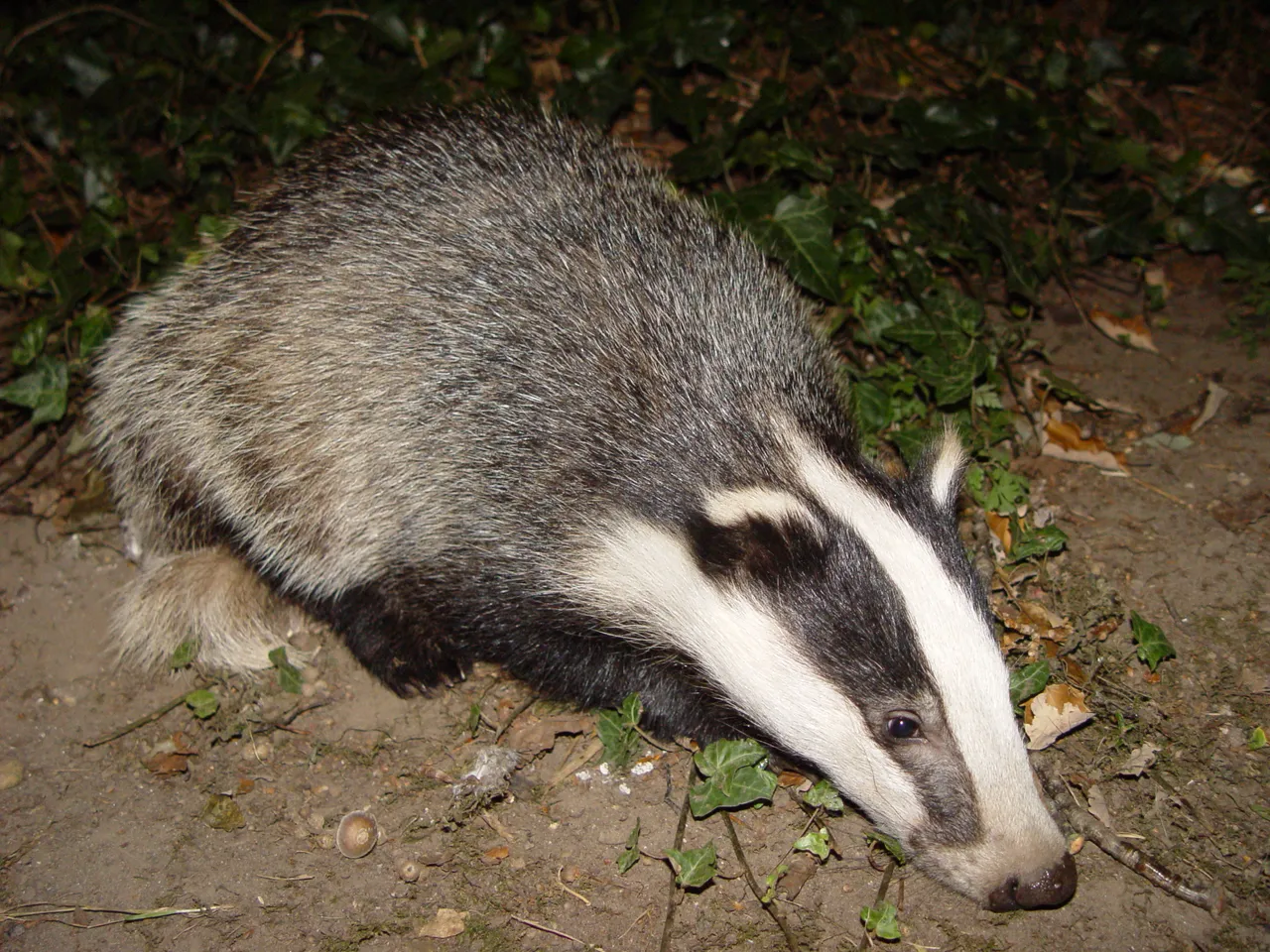
Badger is a common name applied to more than one animal. A European badger, an American badger and a honey badger should not be treated as interchangeable species. Start by identifying the animal and region before repeating a claim about appearance, diet, habitat or behaviour.
Identify the species
The Wildlife Trusts' European badger page describes the familiar black-and-white striped animal found in Britain. That source is useful for that species and setting. It should not be silently applied to every animal called a badger elsewhere in the world.
A photograph needs a reliable caption. Similar common names and dramatic wildlife clips can make identification difficult, especially where the location is missing.
Habitat and behaviour belong together
Food availability, shelter and disturbance influence where animals live and when they are active. A brief encounter does not establish a complete behavioural pattern. Observations collected over time provide better evidence than one unusual clip.
Distinguish a direct observation from an explanation. Seeing an animal near a garden does not prove that it caused every nearby mark or disturbance. Tracks and other signs require careful identification.
Observe without interfering
Keep a respectful distance and do not approach a den, corner an animal or try to handle it. Wildlife rules differ by jurisdiction, so follow local authority guidance. This article does not provide instructions for trapping, feeding or keeping a wild animal.
Do not share a sensitive den location publicly. A photograph can be interesting without revealing enough detail to encourage disturbance. Use a responsible guide or an authorised viewing location where one is available.
A nature-study task
Create a species card with a scientific name, range, habitat and two sourced characteristics. Add the date and region of each source. Then compare a second animal with a similar common name and explain one difference without relying on reputation alone.
Our science resources can help organise the research.
Sources and image credit
Image: BadgerHero, CC BY-SA 3.0. Young Eurasian badger photographed in 2003. Resized to fit within 1280 × 960 pixels without cropping; converted to WebP. No endorsement implied.
Need Direct Access to this Notification?
Check the original source for the latest instructions and any corrections.
Result dates, fees and eligibility must be checked against the board's current notice. Report a correction with the article URL and original source.