
Barcelona Women 1–1 Arsenal: Goals, Revised Date and Match Context
Barcelona Women drew 1–1 with Arsenal on 12 November 2026. Read the scorers, revised fixture date and result context, with no invented statistics.
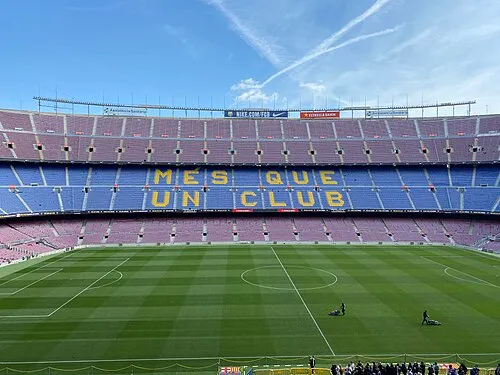
Barcelona Women and Arsenal Women drew 1–1 at Spotify Camp Nou on 12 November 2026 in the UEFA Women's Champions League. Frida Maanum put Arsenal ahead in the 22nd minute, and Caroline Graham Hansen equalised in the 59th. This is the women's European fixture, not a result involving the clubs' men's teams.
The official Barcelona match report confirms the result and goal sequence. This guide explains the completed match's essential facts, why the fixture date changed, and how to read a draw without inventing possession figures, expected goals or qualification outcomes. Any discussion of statistical methods below is an educational explanation, not an unpublished data feed from the game.
What was the Barcelona–Arsenal result?
The match finished Barcelona Women 1, Arsenal Women 1. Arsenal scored first through Maanum, while Graham Hansen's second-half goal brought Barcelona level. Neither team added a winning goal in the documented result, so it should be reported as a draw rather than a narrow victory for either side.
Attach the full identifiers when sharing the score: the women's teams, UEFA Women's Champions League and 12 November 2026. A bare Barcelona versus Arsenal headline can otherwise be confused with another team category or an older meeting between the clubs.
The distinction is not a minor naming detail. It changes the players, competition, schedule and relevant standings. A useful match summary tells the reader exactly which event has ended before moving into analysis or historical comparison.
Why do some listings show 11 November?
Barcelona published an official scheduling statement explaining that the women's first-team fixture, initially set for Wednesday 11 November, would take place on Thursday 12 November at 18:45 at Spotify Camp Nou. The statement establishes the revised date and venue.
Older previews and cached schedule entries can retain the initial date. That does not mean a second match took place or that the completed result belongs to a different fixture. When two listings disagree, compare their publication dates and look for a direct rescheduling notice.
This is a useful browsing habit for any sporting event. A fixture announcement describes a plan at a particular time. A later official change can replace that plan, while the original page remains searchable. The latest verified status should govern a current guide.
How did the score change during the match?
The documented goal sequence has two stages. Maanum's 22nd-minute goal made it 0–1 from Barcelona's perspective. Graham Hansen's 59th-minute goal made it 1–1. The first goal created an Arsenal lead; the second removed that lead without creating a Barcelona advantage.
Those statements may seem obvious, but they help prevent common errors in hurried reports. An equaliser is not a winner. A comeback to draw is not the same as a comeback victory. A team can recover from behind and still finish with one point rather than three in a conventional league-phase points system.
Do not add an assist, shot type or build-up description unless the evidence supports it. The confirmed scorer and minute provide a reliable sequence. Invented detail does not improve the account, even if it makes a sentence sound more dramatic.
What does a 1–1 draw tell us, and what does it not?
The score establishes that each side scored once. It does not independently establish equal possession, identical chances or the same number of shots. Two teams can finish level after very different patterns of play. A score is the outcome, not a complete map of the contest.
To describe territorial control or chance quality, use a trustworthy match report, footage or a named statistics provider. State which evidence supports the claim. A writer should not manufacture an expected-goals total simply because modern match coverage often includes one.
This guide therefore keeps the verified result separate from general explanations of football analysis. Readers get a clear account of what is confirmed and a practical method for assessing additional information, without mistaking an illustrative example for a measured statistic from this match.
How are points different from goals?
In a standard league table using three points for a win and one for a draw, the two sides each receive one point from a drawn match. Their one goal apiece is recorded separately in goals for and goals against. Points and goals are different columns with different jobs.
For a fictional example, a team drawing three matches 1–1 has three points, three goals scored and three conceded. A team winning once and losing twice can also have three points, but its goal figures can be very different. Equal points do not mean identical results or attacking records.
A current qualification statement needs the full competition table, remaining fixtures and tie-break rules. This article does not infer that either club has qualified or been eliminated solely because of the draw. A single result can contribute to the table without settling every outcome.
What is goal difference?
Goal difference is goals scored minus goals conceded across the relevant competition sample. In this individual match, both teams' goal difference contribution is zero because each scored and conceded one. That does not tell you either team's overall competition goal difference.
Suppose a fictional side previously had eight goals for and three against. Adding a 1–1 draw changes the totals to nine and four, while the goal difference remains plus five. The match adds goals to both columns without changing the difference between them.
Always specify the sample. A season total, league-phase total and head-to-head record are not interchangeable. A number can be calculated correctly and still mislead if the reader is not told which matches it includes.
How should you interpret an equaliser?
An equaliser changes a losing scoreline into a level one. Its value depends on the match and wider competition situation, but it does not prove that the scoring team will go on to win. The remaining time still matters, as do the opponent's response and the rules of the competition.
In this match, the documented equaliser arrived in the 59th minute. That establishes when the score became level. It does not by itself prove a change of formation, an instruction from the bench or a particular psychological reaction in either team.
When reading coverage, separate the goal's effect on the score from interpretations about momentum. Momentum can be a useful descriptive idea, but it should be supported by a visible sequence or data rather than used as a substitute for evidence.
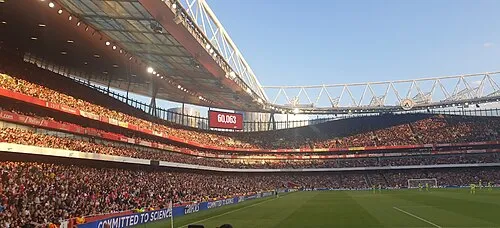
Archive Arsenal Women versus Wolfsburg at the Emirates. It provides team context, not a photograph from the Barcelona draw.
Why is a league-phase match different from a knockout tie?
A league-phase result contributes to a table. A knockout tie determines progression under a specified set of rules and can involve aggregate scores, extra time or penalties. A draw in one setting does not automatically trigger the same next step as a draw in another.
The Barcelona–Arsenal fixture discussed here belonged to the Women's Champions League league phase. It should not be described as a penalty-shootout tie or a final simply because the clubs are prominent. The competition stage is part of the basic match identity.
For students, place the competition name and stage beside the score before interpreting what it means. Then consult the official format if the progression rules are unfamiliar. This prevents a great deal of confusion when switching between domestic leagues, European competitions and international tournaments.
What can shots and shots on target add?
Shots measure attempts, while shots on target form a narrower category under the provider's definitions. A higher shot count can suggest more attempts without proving that all were good chances. Distance, defensive pressure and the type of opportunity can change the significance of an attempt.
For a fictional comparison, one team might take ten difficult shots from distance while another produces four close-range opportunities. The total alone would not settle which created the more threatening chances. A responsible analysis explains the limitations rather than treating volume as a complete answer.
No numerical shot comparison is supplied here for Barcelona and Arsenal because this guide has not verified a full statistical table for that claim. Readers should use a named official or reliable provider and avoid mixing figures from different feeds without checking their definitions.
What does possession actually measure?
Possession is an estimate or measurement of a team's control of the ball under a provider's method. It is useful context, but it is not the score. A team can have less possession and still create dangerous attacks or defend effectively.
To understand its significance, ask where the possession occurred and what followed. Passing safely in one's own half is different from progressing into scoring areas. The same overall percentage can be produced by different tactical patterns.
This is why a match report should not invent a percentage to support an impression. If the data is unavailable, describe a clearly visible sequence in narrower terms. A precise account of one attack is better than an unsupported claim that a side dominated every aspect of the game.
How can highlights distort your impression?
Highlights select incidents. They can emphasize goals and major chances while leaving out long periods of circulation, pressing or defensive organization. A short video can accurately show what happened in its clips without representing the entire balance of the match.
When using highlights for a study exercise, identify which conclusions the selection supports. You may be able to describe a goal sequence or save. You usually cannot calculate overall possession or determine every tactical adjustment from a few minutes of edited footage.
Also check the match identity on the video itself. Older Barcelona–Arsenal clips can reappear around a new fixture. The women's teams, date and competition should match the report you are reading before you connect the footage with this 1–1 result.
How can students build a reliable match timeline?
Start with verified events: fixture identity, revised date, goals and final result. Arrange them in chronological order. Add substitutions, cards or other details only when the source provides them and they matter to your explanation.
Keep reporting and interpretation in separate columns. The report column might state that a goal arrived in the 59th minute. The interpretation column might explain that this restored parity and changed the remaining contest. A claim about why the goal occurred needs additional evidence.
This method works well for beginner sports writers because it prevents missing facts from being filled with dramatic guesses. It also makes corrections easier. If a source revises one detail, the writer can update that entry without rewriting an entire invented narrative around it.
A short exercise using the confirmed result
Write a three-sentence summary containing the team category, competition, date, score and scorers. Then explain the difference between Arsenal taking the lead and Barcelona equalising. Do not use the word winner for either goal in the completed 1–1 match.
Next, create a fictional league table with three teams and add one point to each participant in a draw. Update goals for and against separately. Observe how a draw can change some columns without changing an individual match's zero goal-difference contribution.
Finally, list three questions the final score cannot answer, such as the number of chances, possession share or a coach's instructions. Identify what source you would need for each. The exercise turns a simple score into practice in evidence-based reading and numerical interpretation.
What should readers check before the next fixture?
Use the clubs' official schedules and competition pages for the next date and venue. A preview written before a rescheduling announcement may become outdated. Do not assume a previous meeting's stadium or kick-off time applies to the next one.
Check team news separately from historical match analysis. A player who scored in this fixture is not automatically confirmed for a future lineup. Availability, selection and squad announcements need current reporting close to the relevant match.
The RayTech article library contains other football explainers and dated match guides. Read their date and scope before treating them as live updates. This page records the completed 12 November result and explains how to interpret it, rather than pretending to be a continuously updated score service.
Common questions about Barcelona Women versus Arsenal Women
What was the final score on 12 November 2026?
The match ended 1–1 at Spotify Camp Nou. Maanum scored for Arsenal in the 22nd minute, and Graham Hansen equalised for Barcelona in the 59th.
Was this the men's Champions League?
No. The fixture was in the UEFA Women's Champions League and involved the women's teams. The distinction belongs in any accurate summary of the result.
Why do older previews mention 11 November?
The club issued a rescheduling notice moving the fixture from 11 to 12 November. The completed match should be associated with its revised date.
Does the draw prove either club has qualified?
No. Qualification depends on the full table and competition rules. This guide does not make an unverified qualification or elimination claim from one result.
Sources
- FC Barcelona: completed 1–1 match report and goals
- FC Barcelona: official rescheduling statement
- UEFA: Women's Champions League matchday four round-up
Checked on 14 November 2026. Fictional table exercises and statistics explanations are original teaching material. No unverified possession, expected-goals or qualification figures are supplied.
Image credits: cover: JaflaumS05, source, CC BY-SA 4.0. Resized and converted to WebP. inline: Evmoon, source, CC0. Resized and converted to WebP.
Found an error or an outdated detail? Report a correction with the article URL and original source.