
BEL Share Price: Order Book, Revenue Recognition and Cash Explained
Read Bharat Electronics shares through dated orders, revenue, acceptance and cash collection. Separate company disclosures from unsupported market claims.

BEL share-price searches concern Bharat Electronics Limited and its public financial records. The company's first-half FY2026-27 release reported 26 percent growth in revenue from operations and an order book of ₹68,717 crore as of 1 October 2026. The date is essential: that order-book figure is not a live value for every later day.
This guide explains how to read a defence-electronics company's orders, delivery milestones and accounts. It does not invent a current share quote, a confidential contract or a price target. Use a dated exchange record for the market price and the company's actual disclosures for its financial and operating figures.
Which BEL figures are being discussed?
The cited company release concerns the first half of FY2026-27. Its revenue growth and order-book amount describe different measures and reference points. A growth percentage over a period is not interchangeable with a pipeline amount at a date, and neither is a prediction of the share price.
| Measure | Scope in the cited release |
|---|---|
| Company | Bharat Electronics Limited |
| Revenue comparison | First-half FY2026-27 operations |
| Reported growth | 26 percent |
| Order book | ₹68,717 crore |
| Order-book reference date | 1 October 2026 |
| Currency context | Indian rupees |
Preserve the period and currency when sharing the table. An amount in Indian rupees should not be silently relabelled as Pakistani rupees. A current article can explain an October snapshot without claiming that the figure has been updated through every subsequent order or delivery.
A share quote needs a separate timestamp
The last traded price, previous close and session close are different records. A screenshot can display several of them at once. A useful share-price note identifies the security, exchange, date, time and price type rather than selecting a number and calling it current without qualification.
The company's operating disclosures do not supply that live quote. An order announcement can be relevant to market discussion, but it is not itself a price record. A writer should not invent a percentage market move or attribute a move to a particular order without matching the actual quote and event timing.
For students, put market data and company reporting on separate sections of a worksheet. Link them through dates rather than assume they are the same kind of information. This makes it possible to discuss a development without confusing a business pipeline with a traded market value.
What an order book measures
An order book describes the reported outstanding business under the company's stated definition. It is not the same as revenue recognised in the current period, cash already collected or profit guaranteed for a future year. Execution and the terms of the underlying contracts matter to the route from orders to accounts.
In a fictional model, a company begins with 100 units of orders, adds 40 and executes 25. Under those deliberately simplified assumptions the pipeline becomes 115. Real disclosures can include other changes, so the model is a teaching aid rather than a reconstruction of BEL's actual order book.
Do not add the closing pipeline to reported revenue and call the sum total income. That mixes different stages and can double-count business. A clear financial explanation follows the flow of orders, execution and recognised results while preserving each measure's definition.
A memorandum is not automatically a binding order
A public announcement can describe cooperation, a memorandum, a selection, an agreement or a firm order. Those words can identify different stages. An article should repeat the actual category rather than turn every technology partnership into revenue or every discussion into a completed contract.
The distinction is especially important in industries with long development and procurement cycles. A project can involve evaluation and other steps before a commercial outcome. This guide does not infer confidential stages or predict the result of an unannounced process. It explains why the public wording should be preserved.
For a classroom exercise, sort fictional announcements into discussions, non-binding cooperation, orders and deliveries. Ask what each document establishes and what remains unknown. The exercise teaches source reading without requiring technical or operational information about any defence system.
Delivery, acceptance and payment can occur at different times
An industrial contract can involve several milestones. Manufacturing, delivery, customer acceptance and payment are not necessarily one simultaneous event. The actual accounting and commercial treatment belongs in the relevant statements and contract disclosures, not in assumptions added by a commentator.
An invented example separates the stages: a product is completed in one month, delivered in another and paid for later under the exercise's stated terms. The sequence can affect inventory, receivables and cash. It does not establish BEL's real payment schedule or a delay by any particular customer.
The value of the example is that it prevents a pipeline headline from becoming a cash-balance claim. A large order can be significant while the reader still needs execution, cost and collection information to understand the financial outcome. Those questions are connected but distinct.
Public financial reporting does not reveal confidential technical details
An investor announcement can identify an order or a broad product category without publishing sensitive specifications. A financial guide should stay within those public records. It does not need to infer deployment locations, system capabilities or restricted customer arrangements to explain revenue and order-book concepts.
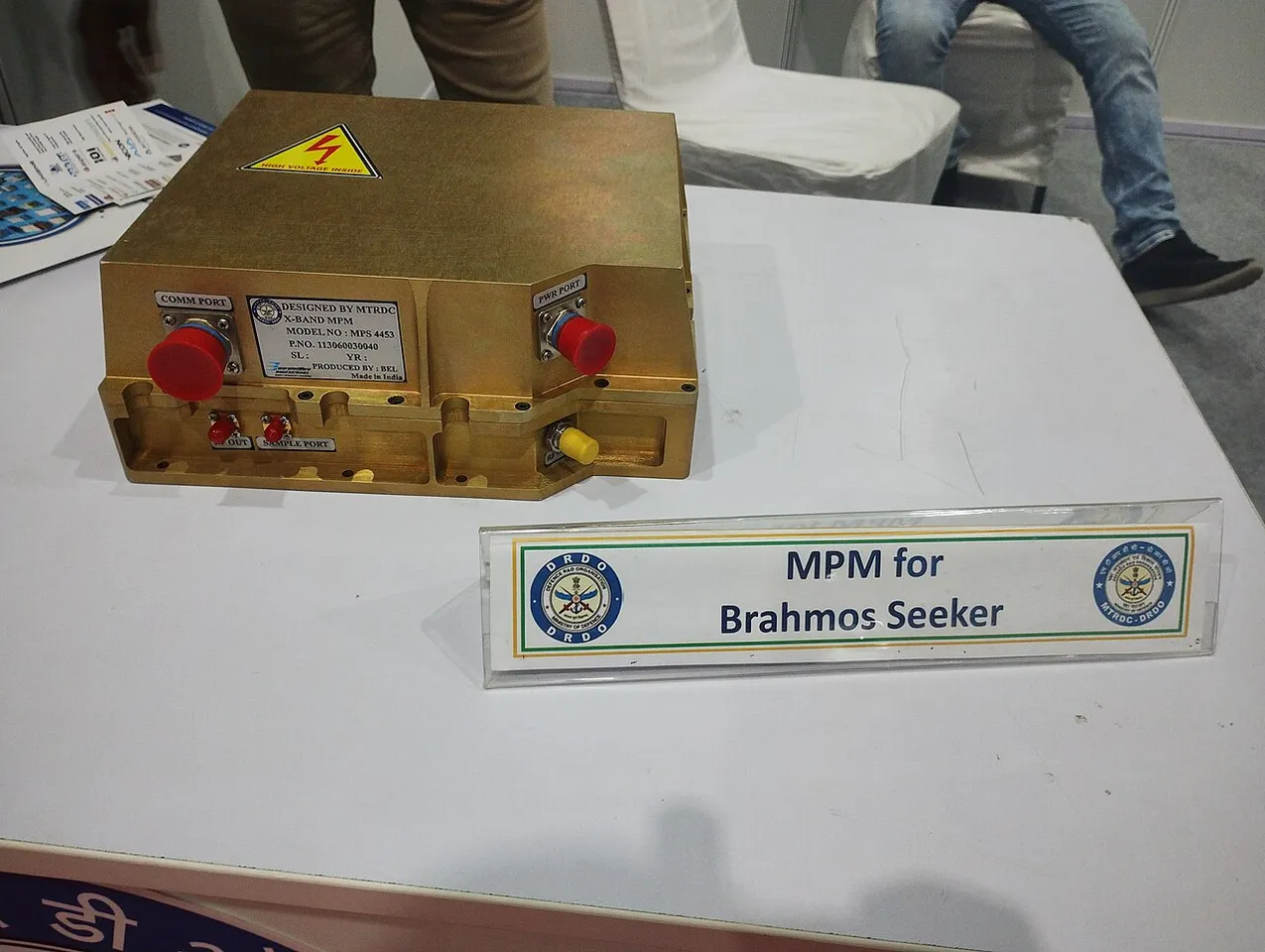
Do not fill a gap in a press release with a technical claim taken from an unrelated product. Similar names or a shared manufacturer do not establish that two contracts involve identical equipment. An article can accurately report a public amount while leaving undisclosed operational details unclaimed.
This boundary also improves ordinary research quality. The question here is what the company has disclosed financially, not how a system would be used. Students can learn from the reporting categories without assembling a speculative technical account that the source does not support.
Revenue growth and profitability need separate checks
The 26 percent figure in the cited release concerns revenue from operations. It should not be relabelled a profit increase, cash-flow improvement or share-price gain. Each of those would require its own measure and a matching period.
For a fictional company, revenue rising from 100 to 126 gives 26 percent growth. If costs change differently, the resulting margin can rise or fall. The revenue calculation remains correct, but it does not answer the profitability question. These are invented numbers illustrating a relationship, not BEL's cost figures.
Read the actual profit definitions and notes. Operating profit, profit before tax and net profit describe different stages. A margin without its numerator label can be misleading. The purpose of a comparison is to understand the business, not to select whichever percentage produces the strongest headline.
A second credited view of Defence and Aerospace SES 2025, used as industry context rather than a photograph of completed deliveries.
Working capital matters in a project business
Materials and work in progress can occupy cash before a project reaches the relevant revenue or payment milestone. Customer advances, receivables and supplier payments can affect the cash position. A business can therefore show different patterns in earnings and operating cash flow over a period.
That does not establish that any particular receivable is overdue or that a customer has failed to pay. Those are specific claims requiring evidence. The general relationship explains why an investor should examine the balance sheet and cash-flow statement alongside a results summary.
For students, model a fictional project using separate columns for production cost, invoice and receipt. Keep dates visible and state the assumptions. The exercise demonstrates timing without presenting a private contract or inventing a collection problem for a real company.
Order intake is not the closing order book
New orders during a stated period and the outstanding pipeline at a reference date are different measures. A press release about additional orders should not be treated as the complete order book. Nor should the pipeline be assumed unchanged after deliveries and other disclosed movements.
BEL publishes order announcements as well as financial updates. The source linked below describes additional orders worth ₹533 crore since a stated previous disclosure. That announcement has its own scope; it should not be pasted into the first-half table as though the dates and coverage were identical.
When reconciling public information, preserve the sequence and avoid double-counting. If a later order-book figure already incorporates an earlier order, adding the earlier amount again would overstate the pipeline. A timeline is more useful than a list of impressive numbers with their dates removed.
Government budgets and company revenue are not the same amount
A public expenditure plan can provide industry context without becoming revenue for one supplier. Budget categories, procurement decisions and company contracts are different records. A broad allocation should not be multiplied by an invented market share and presented as a confirmed order.
For a fictional example, an authority plans 1,000 units of spending across several categories. That does not establish that a particular company receives 1,000, or any chosen percentage of it. The actual award, scope and timing would be needed. A market opportunity is not a booked result.
This distinction keeps a financial article grounded. It can discuss why readers pay attention to policy while refusing to manufacture company-specific revenue from a national headline. The company's disclosed order and results records remain the evidence for its own figures.
Segment and subsidiary scope need labels
A group can report standalone and consolidated figures, and different activities can contribute differently. Read the heading and notes before comparing them. A figure from one scope should not be placed beside another as though both describe identical entities and accounting boundaries.
Do not add standalone and consolidated revenue together. The consolidated presentation can already include the relevant relationships under its accounting rules. A simple sum can therefore double-count rather than create a more complete total. The definitions supply the correct route through the accounts.
For an educational worksheet, keep each scope in its own labelled section. Use the same period and currency scale when comparing. If a definition changes, preserve the note instead of drawing a continuous trend line that conceals the change.
A lower nominal share price does not settle valuation
A price per share needs the relevant share count and financial context. Two companies with different numbers of shares cannot be compared by nominal price alone as though the lower number automatically represents a cheaper business. Market value and per-share price answer different questions.
In a fictional example, ten shares at 100 units and 100 shares at ten units produce the same simple market value of 1,000. The example does not value BEL or another company. It shows why a stock-screen comparison needs more than two prices.
Future results are also uncertain. A reported pipeline does not create a guaranteed price path, and a price movement does not independently verify every forecast. This page explains the evidence and calculations without assigning a target or telling every reader to make the same transaction.
Build a public-record research table
Use separate columns for announcement date, reference date, event type, amount, currency and source. Keep a row for a financial release distinct from a row for an order announcement. Add a note when a later figure may include an earlier event.
Then add accounting measures only from the relevant statement. Test any reconciliation with fictional data first so that an order does not automatically populate revenue or cash. That prevents a spreadsheet from turning a category error into a polished but misleading chart.
The same method applies to many project businesses. Public information arrives at different times and with different scopes. A clear table helps readers understand what has changed, what is already included and which questions cannot be answered from the available documents.
Questions about BEL share-price searches
Is ₹68,717 crore a live share-market value?
No. It is the company-reported order-book amount at the reference date in the cited first-half release. It is not a share price, market capitalisation or cash balance. Keep the category, date and Indian-rupee scale attached to it.
Does a new order immediately become profit?
Not automatically. Execution, costs, accounting treatment and payment timing matter. The fictional examples explain the stages without inventing a real contract's private terms. Use actual financial statements for recognised revenue and profit.
Where can learners practise these concepts?
Explore class resources for units and financial tables or programming courses to build a simple announcement tracker. Use the public company releases below for actual facts and keep those separate from hypothetical calculations.
Sources
- Source: BEL first-half FY2026-27 revenue and order-book release
- Source: BEL additional-order announcement
Image credits: cover: Gpkp, source, CC BY-SA 4.0. Resized and converted to WebP. inline: Gpkp, source, CC BY-SA 4.0. Resized and converted to WebP.
Found an error or an outdated detail? Report a correction with the article URL and original source.