
BHEL Shares: Order Book, Project Execution, Revenue and Cash Collection
Understand BHEL shares through equipment orders, project execution, revenue and cash collection. Distinguish the company from BEL and power generators.
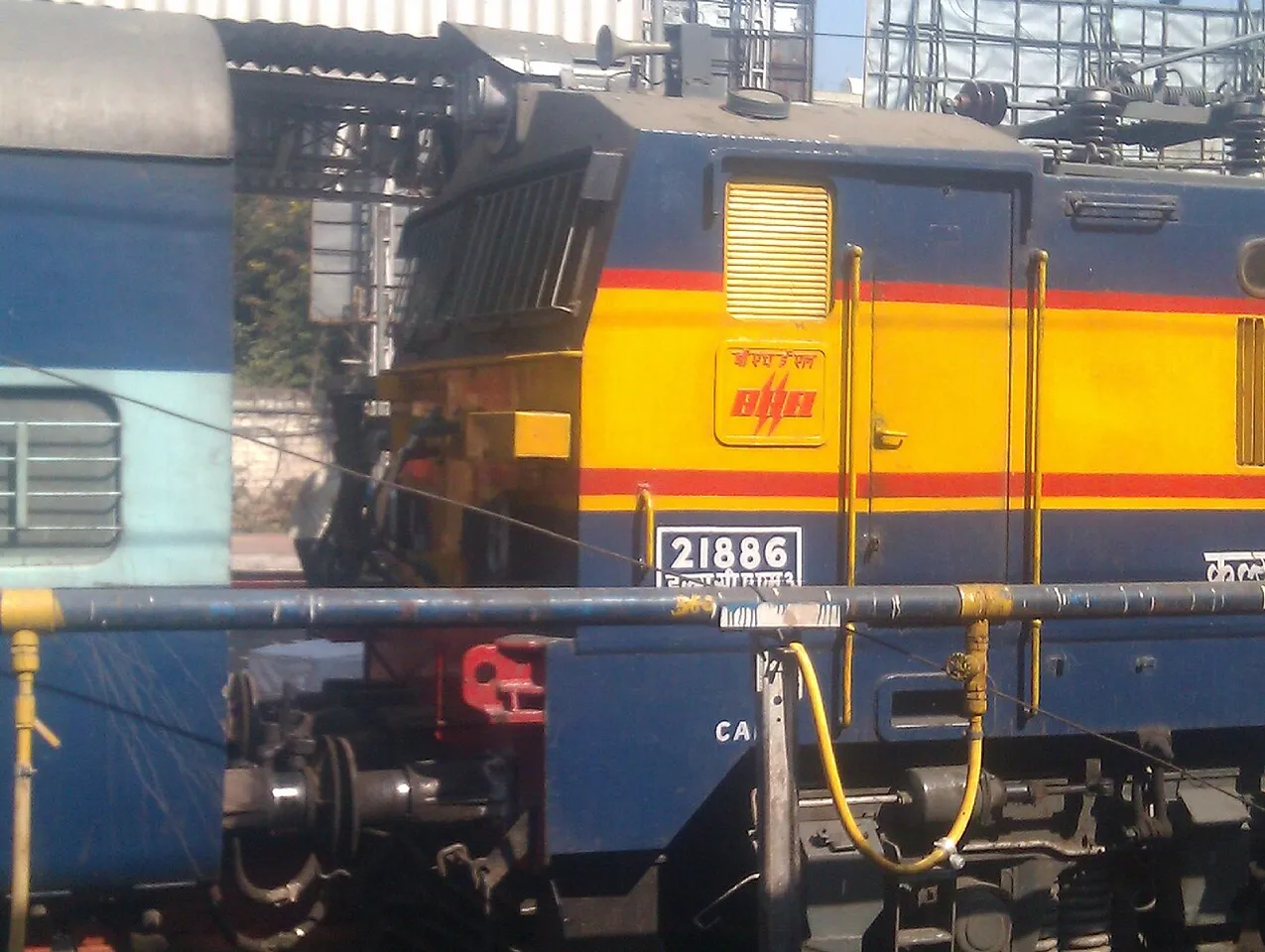
BHEL share-price searches concern Bharat Heavy Electricals Limited, the engineering and manufacturing company, rather than Bharat Electronics Limited or an electricity utility with a similar abbreviation. The difference matters: manufacturing power equipment, operating a generation plant and producing electronics are not the same business or listed security.
BHEL's official annual reports and revenue announcement provide the starting information. This guide explains orders, project execution, manufacturing, acceptance, revenue and cash collection. It does not invent a current equity quote, a contract award or a target price. Hypothetical examples are labelled as learning exercises rather than actual project terms or forecasts.
BHEL and BEL should not be confused
Bharat Heavy Electricals Limited and Bharat Electronics Limited have different names, activities and company records. A short abbreviation in a message can obscure that distinction. Confirm the full name before using a result announcement or matching a financial figure with a share chart.
The same care applies to customers. A power generator buying equipment from a manufacturer is not the manufacturer itself. A customer's capacity announcement can create an industry question, but it does not independently prove that BHEL received a particular order or recognised revenue.
| Event or measure | What it establishes |
|---|---|
| Contract award | Stated order under disclosed terms |
| Order book | Defined outstanding business at a date |
| Manufacturing | Work at a stage of execution |
| Revenue | Recognised financial performance for a period |
| Cash collection | Receipts reflected in the relevant record |
The business includes more than one equipment category
BHEL's public descriptions cover power and industrial activities, with further detail in its annual report. The financial implications depend on the actual product, project and arrangement. A single photograph of a turbine or locomotive cannot describe the whole business mix.
For a fictional manufacturer, one division supplies equipment and another provides services. Their revenue timing and cost structures may differ. If the mix changes, the overall result can change without an identical movement in every division's output.
Use BHEL's own reporting categories when discussing an actual period. Do not invent a segment because a product is visually recognisable. A practical explanation identifies what the report includes and what additional evidence would be required to connect a specific industry development to company earnings.
An order is not immediate annual revenue
A contract award establishes a stated commercial commitment under its terms. Execution and revenue recognition occur according to the actual arrangement and accounting treatment. A multi-period order should not be copied into a current-quarter sales total merely because it was announced during that quarter.
Imagine a fictional project worth 300 units that is executed over three periods under the exercise's assumptions. Recognising all 300 in the first period would be wrong if the stated model allocates work differently. The award amount and each period's revenue answer separate questions.
The actual company's policies and project disclosures determine the real treatment. A results article can explain the sequence without guessing confidential contract clauses or presenting a simplified classroom schedule as BHEL's accounting method.
Order intake and order book differ
Order intake measures new business under a stated definition during a period. The order book describes defined outstanding business at a reference date. Execution, scope changes and other adjustments can connect them, so neither should be assumed to equal the other.
For a fictional opening order book of 500, new orders of 200 and execution of 150, a simplified closing figure is 550 before other adjustments. The 200 added during the year is not the closing 550. Including both as separate future sales would double count part of the picture.
Read the report's actual bridge where available. An order-book figure needs its date and scope, while a new-order figure needs its period. A large balance can indicate substantial work to execute without establishing when every part will become revenue or cash.
A tender opportunity is not an awarded contract
An invitation to bid, a bid submission, a preferred position and a completed award are different stages. The official announcement should establish which stage occurred. A possible market opportunity should not be reported as secured business just because its potential value is large.
Build an invented timeline with opportunity, bid, award, execution and collection. Mark the evidence available at each stage. This makes it clear why an early procurement notice cannot demonstrate the final commercial outcome or the amount ultimately recognised as revenue.
For actual reporting, use the company's or customer's official disclosure and preserve its conditions. Do not describe an unsigned or conditional development as an unconditional contract. Accurate stage labels are more useful to readers than an exaggerated headline about a supposed order win.
Project execution can span several operating stages
Engineering work can involve design, procurement, manufacturing, delivery, installation and other specified tasks depending on the arrangement. These stages affect timing, resources and evidence of progress. A finished component does not automatically prove the entire customer project has been completed.
In a fictional project, equipment leaves a factory before installation is finished at the customer's site. A photograph of dispatch supports one milestone, not necessarily commissioning or final acceptance. The relevant contract and official disclosures establish what each stage means.
A public business guide does not need operational instructions or sensitive site information to explain that sequence. Its task is to distinguish reported progress from assumed completion and connect the disclosed milestones with the relevant financial period.
Milestone payments and revenue can have different timing
Contractual cash receipts may occur before, during or after the activity recognised as revenue, depending on actual terms and accounting rules. A customer advance and final settlement therefore should not automatically be interpreted as the same kind of income-statement event.
For a fictional contract, an advance of 20 arrives before work begins, another payment follows a specified milestone and the remainder arrives later. The cash schedule is not identical to a simple equal allocation of contract revenue across months.
Use BHEL's actual statements for the reported treatment. A cash receipt can be important without proving the same amount of profit in that period. Equally, recognised revenue does not necessarily establish that all associated cash has already been received.
Customer acceptance needs evidence
Delivery, inspection and acceptance can concern different stages under a project's actual terms. The financial significance of each should come from the applicable disclosure. A social-media image of equipment arriving at a site is not a substitute for the full commercial record.
Imagine a fictional customer checks equipment after delivery and pays under a later milestone. The delivery date and receipt date differ without either being incorrect. The timeline explains why a completed factory operation does not answer every collection question.
For an actual project, preserve the company's stated milestone. Avoid inferring an acceptance problem merely because a payment has not been separately announced publicly. Absence of a public update is not proof of a dispute or evidence that the project failed.

The 2016 Rampal project contract-signing ceremony in Dhaka, shown as historical project context rather than a current contract award.
Materials and subcontracting affect project costs
Manufacturing and project work can involve purchased materials, external services and other operating costs. Their actual mix depends on the contract and business. A rise in order value does not independently establish the eventual margin if costs or scope also change.
For a fictional project, revenue is 100, materials cost 50 and other direct costs 25. The remainder is 25 before additional relevant items. If costs rise while revenue stays fixed under the exercise's assumptions, the remainder changes even though the order amount does not.
Real contracts may contain different conditions, so this is not a forecast for BHEL. Use disclosed information to identify the actual cost drivers. A general commodity-price headline cannot prove the cost of all materials purchased or consumed during a particular period.
Work in progress connects operations and working capital
Projects can require resources before final delivery and collection. Inventory and work-related balances help explain how cash is committed during execution. Their accounting definitions belong in the financial notes rather than assumptions based on a plant's physical size.
An invented manufacturer buys materials, begins production and holds an unfinished item at the reporting date. The resources have been used, but the commercial process is not necessarily complete. That timing can affect the relationship between operating activity, recognised revenue and cash.
Read the actual balances with their scope and period. A higher working-capital amount does not automatically prove either a collection failure or a healthy expansion. The explanation needs the associated activity, accounting treatment and relevant company commentary.
Receivables are not automatically bad debts
Amounts due from customers can reflect payment terms and timing, but their recoverability is a separate question. The age, nature and disclosed assessment of balances matter. A single receivable figure cannot establish every customer's behaviour or the final collection outcome.
In a fictional exercise, revenue of 120 and cash collected of 90 leave a question about timing and the remaining amount under the stated assumptions. Declaring all 30 lost would add a conclusion not supplied by the example. Declaring it all collected would be equally wrong.
For BHEL, consult the relevant notes and cash-flow statement before making a claim. Preserve what the record establishes and identify missing information openly. This is more informative than attaching a dramatic positive or negative interpretation to one closing balance.
Provisional turnover and audited results differ
An early business update can provide a preliminary view before final audited reporting. Its labels matter. BHEL's April 2026 announcement described its FY2025-26 turnover as provisional and unaudited, so that qualification should remain attached when citing the announcement.
A later audited statement may provide the final accounting record and additional detail. Readers should not assume that an early update contains every item required to calculate net profit or a complete segment margin. Turnover and profit are different measures even when both concern the same year.
For a fictional company, a preliminary sales estimate and the later audited figure can differ because the reporting process has progressed. That possibility is not permission to invent a revised value. Use the latest applicable official statement for the particular claim being made.
Operating result and final profit need a bridge
Revenue less a selected direct cost is not the same as profit after tax. Employee costs, overheads, depreciation, financing, provisions and other relevant items can affect the result. The actual statement provides the categories and their treatment.
In a fictional manufacturer, an initial remainder of 40 becomes 25 after operating expenses and 18 after further specified charges, before remaining items. Quoting 40 as final profit would overstate the meaning of the calculation. The labels must follow the stage of the bridge.
When comparing companies, ensure that the measures match. An equipment manufacturer's operating margin should not be compared casually with a power generator's differently defined earnings measure. Similar industrial customers do not make the accounting categories identical.
Capacity and workforce do not directly determine sales
Manufacturing capability and skilled people are important resources, but their counts alone do not establish revenue. Product complexity, execution stage, mix and operating conditions can affect what is delivered during a period. A large facility is not a financial-result calculation.
For an invented factory, two projects require different manufacturing time and have different recognised values. Completing fewer units does not necessarily mean lower revenue if the units differ substantially. A simple item count needs context before becoming a productivity conclusion.
Use the report's own operating indicators and avoid inventing output per employee from incompatible scopes. A headcount at one date and group revenue over a year can be combined only with an explicitly defined method and an understanding of its limitations.
Build a project-results reading worksheet
Create one section for new orders, another for outstanding work and another for recognised results. Add a timeline for execution and cash where the information is disclosed. Every field should carry the company, period, unit, scope and source.
Next, explain whether a figure is an opportunity, an award, progress, revenue or collection. Do not move a number between these categories merely to fill a missing cell. A clear blank with a note is better than an unsupported value that makes the worksheet look complete.
Use class resources for percentage changes and cash-versus-profit vocabulary. Learners in programming courses can create a project tracker that requires a dated source before marking an announced contract as executed or collected. That is useful information design without handling confidential project data.
Questions about BHEL shares
Is BHEL the same as Bharat Electronics?
No. Bharat Heavy Electricals Limited and Bharat Electronics Limited are different companies. Confirm the full legal name and the identified security before using results or news. Similar abbreviations do not make their orders, financial statements or share prices interchangeable.
Does a new order immediately become profit?
No. An award, execution, recognised revenue and final profit concern different stages. Costs and accounting treatment matter, and cash collection can follow another timeline. Use the actual project and financial disclosures rather than copying a contract amount into a quarterly profit estimate.
Is an order book the same as annual revenue?
No. The order book is a defined balance of outstanding business at a date. Revenue concerns recognised activity during a period. Execution and adjustments connect them, but the figures should remain separately labelled and should not be added as unrelated completed sales.
Where should a current share price be checked?
Use an exchange or appropriately timestamped market-data source for the exact equity security. The official documents below explain the company and its reported activity. A static educational guide should not present an invented or undated number as a live market quote.
Sources
- BHEL official annual-report library
- BHEL FY2025-26 provisional revenue announcement
- BHEL annual report 2024-25 through the exchange
Image credits: cover: Shrikar Galgali, source, CC BY-SA 3.0. Resized and converted to WebP. inline: Press Information Department, source, Public domain. Resized and converted to WebP.
Found an error or an outdated detail? Report a correction with the article URL and original source.