
Dean Norris: Screen Roles, Character Identity and How to Study Acting
Explore Dean Norris’s screen roles and career context. Learn acting observation, voice, timing, framing and the difference between actor and character.
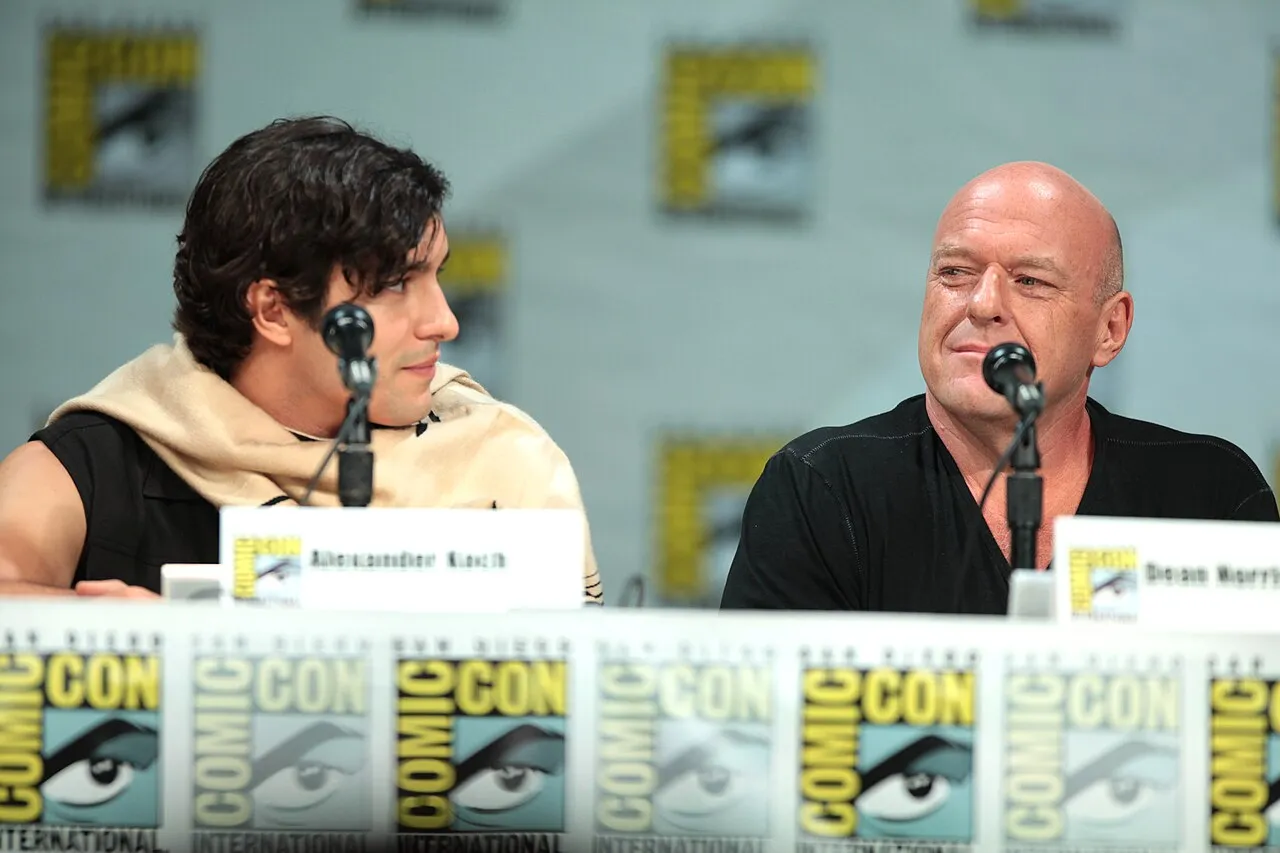
Dean Norris is known for screen roles including Hank Schrader in Breaking Bad and Big Jim Rennie in Under the Dome. Those characters belong to different fictional stories, and neither should be confused with the actor's private identity. The distinction gives students a useful starting point for studying how a performer can create a believable person within a script without endorsing everything that character does.
This guide uses broadcaster and award records for the basic career references, then explains practical ways to analyse screen acting. It does not claim a new casting announcement or reproduce scripts. The exercises use original scenarios and focus on observation, collaboration and evidence. Historical event photographs identify the performer rather than illustrate a fictional event as if it happened in real life.
Who is Dean Norris?
Dean Norris is an American screen actor. AMC's historical biography identifies his Indiana background and study at Harvard University and the Royal Academy of Dramatic Art. Award documentation also identifies his Breaking Bad role. These records provide career context, but they do not establish every current project or personal detail. A dated source should be read within the period it describes.
An actor and a character are separate subjects
A performer can portray a person with beliefs or actions very different from his own. A fictional character's job is not the actor's real profession, and a scripted event is not a biographical fact. Keep the names distinct in notes and captions. This prevents a surprisingly common error when short clips circulate without the programme title or context.
Historical biographies can use old future tense
An older page may say an actor will next appear in a programme that has already aired. That wording belongs to the page's original context. Do not repeat it as a new announcement simply because the page is accessible today. Restore the date and verify current projects separately when present-tense casting information is the actual question.
What do the role records establish?
The cited broadcaster material and award records identify Norris's association with the named productions and characters. They are not a complete description of every scene or creative decision. A student can use them to establish the work being studied, then analyse the performance directly. The character summary should remain separate from claims about the actor's personal motives or opinions.
A cast credit is not an individual award win
An ensemble nomination document can list performers and roles. That does not mean each listed person won a separate individual award in every category. Read the document heading and outcome carefully. A profile should not convert a nominee list into a winner list or confuse an ensemble category with an individual performance honour.
A television role can change over time
Serial storytelling allows a character's relationships and circumstances to develop across episodes. One early scene may not represent the character's later situation. When writing a study note, identify the episode or general stage without spoiling more than necessary. A clear context helps readers understand the observation instead of treating a selected moment as the whole role.
What should a student watch in a performance?
Begin with a specific question: what does the character appear to want in the scene, what information is available and how does the behaviour change? These are analytical questions, not proof of private actor intention. A performance can be studied through visible and audible choices while leaving room for more than one reasonable interpretation.
An objective makes an action readable
In an original classroom scenario, a character might want a colleague to reveal a missing piece of information. The performer can communicate that aim through timing, attention and response rather than a speech explaining everything. Students can discuss the apparent goal and evidence for it. The exercise should not claim that every real scene follows one simple objective throughout.
Listening is part of acting
A scene is not only the delivery of a prepared line. The reaction to another person can change the meaning of what follows. Watch the pause, gaze or shift in attention before the next response. A useful description identifies the relationship between stimulus and reaction instead of praising a facial expression without explaining what prompted it.
Silence can contain information
A character may withhold a reply, hesitate or redirect attention. That pause can support several interpretations depending on the scene. Do not automatically call it fear or guilt. Explain what the surrounding action makes plausible and what remains uncertain. This keeps the analysis tied to the work rather than treating every silent moment as a fixed psychological code.
How do voice and timing change a scene?
Pace, emphasis, volume and pauses influence how a line is understood. The same words can sound reassuring, doubtful or confrontational in different contexts. Students can explore this with original sentences rather than copyrighted dialogue. The aim is to hear the change and describe it clearly, not to imitate the actor's private personality or accent as a joke.
Emphasis directs attention
Take an invented sentence such as the file was here yesterday. Emphasising file, here or yesterday points the listener toward different questions. No word needs to change for the implied concern to shift. This simple exercise shows why acting is more than reciting the correct text and why a line's meaning also depends on what came before it.
A louder delivery is not automatically stronger
A quiet response can create tension when it contrasts with the situation or another character's behaviour. A loud response can be justified or excessive depending on the scene. Avoid using volume as a universal quality score. Ask how the choice fits the relationship and the information available rather than assuming the most forceful moment must be the best performance.
Rhythm can change during a conversation
A character may begin confidently, lose control of the exchange or become more deliberate after new information. Track the change across several responses. A short clip may capture only one phase. Watching the whole sequence helps explain the performance as a developing interaction rather than a set of isolated quotable lines.
What does physical behaviour contribute?
Posture, distance, movement and the handling of objects can help establish a relationship. These choices work with the script and camera rather than separately from them. A student can describe what changes without assigning a medical diagnosis or a permanent personality trait. A single gesture does not mean the same thing in every scene or culture.
Distance can shape an exchange
In a classroom exercise, two characters discussing a problem can stand close, remain across a table or move apart during the scene. Each arrangement changes what the audience notices. The effect also depends on framing and dialogue. Explain the whole situation instead of treating one physical distance as an automatic sign of friendship, authority or fear.
Props are part of the action
A character checking a document, putting down a cup or avoiding a phone can draw attention to a choice. The object does not need to be important by itself. What matters is the action's relation to the scene. Avoid inventing symbolism for every small detail; identify the evidence that makes a particular interpretation useful rather than merely possible.
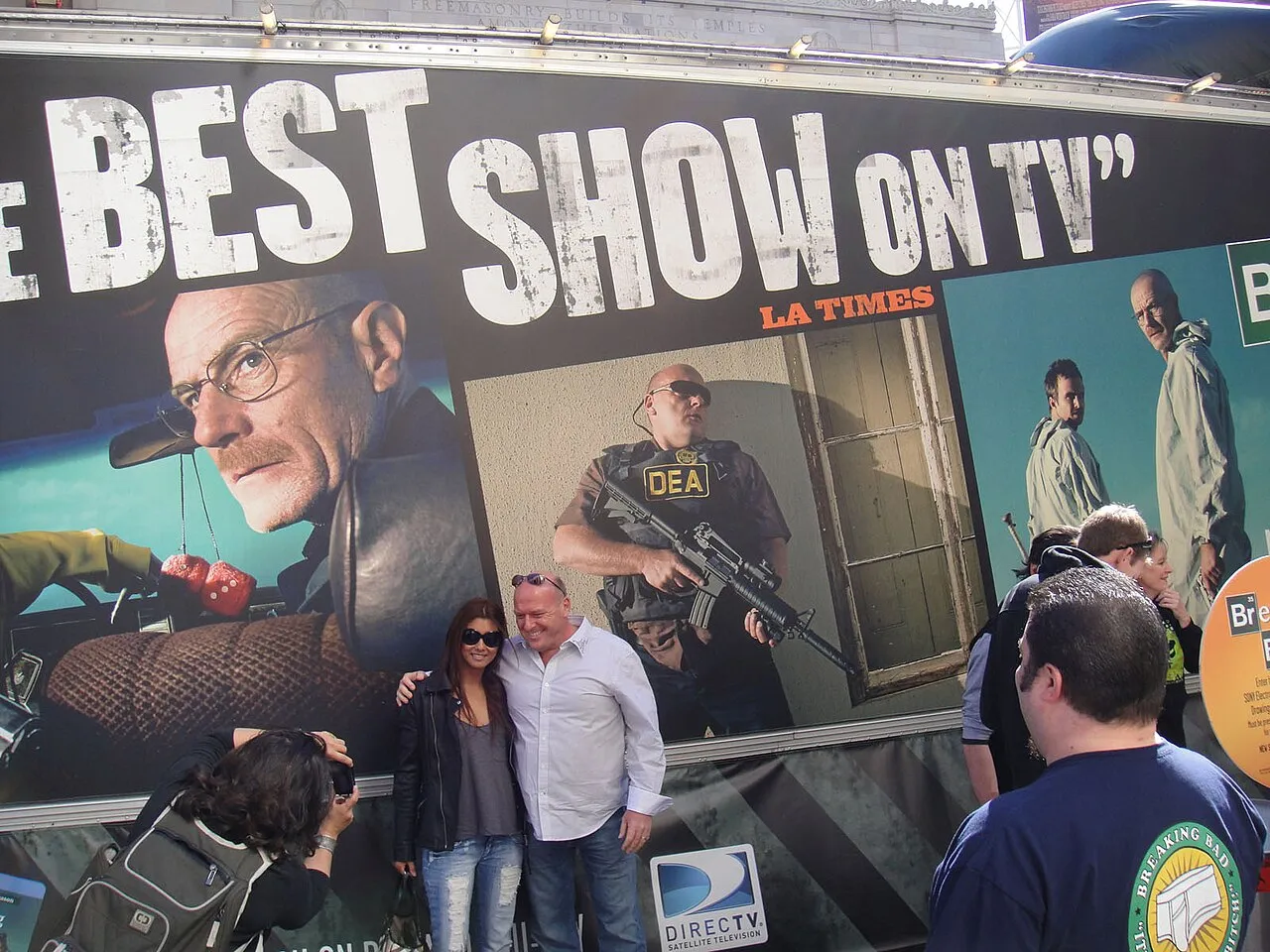
Dean Norris at a Breaking Bad screening event in March 2010; the actor is shown outside the fictional story.
Why does the camera matter?
Screen acting reaches the audience through framing and editing. A close shot can reveal a small reaction, while a wider shot can show the relationship between bodies and setting. The finished effect is collaborative. Do not attribute every camera choice to the actor unless the credits or reliable production evidence establish that responsibility.
A reaction shot can change emphasis
The editor can show the listener rather than the speaker at an important moment. That directs attention to the response. A student analysis should consider why the finished sequence invites that focus without claiming knowledge of the editing room's private discussion. Describe the visible effect and use interviews or production records only when they actually support a stronger claim.
Continuity supports the illusion of one event
A scene may be assembled from several takes and angles. The viewer experiences a continuous conversation, but the production process can involve repeated performances. This is a general explanation of screen work, not a claim about the number of takes in any specific Norris scene. Avoid inventing production details from the smoothness or intensity of the final edit.
How should students compare two roles?
Choose a narrow feature such as response timing, apparent authority or how the character handles a challenge. Keep the stories and situations labelled. A useful comparison explains differences in the performance without assuming the actor must behave like one character in private. The point is to understand a range of choices rather than decide which fictional person is the real individual.
Compare similar kinds of moments
A crisis scene and a casual greeting present different demands. If you compare them, explain the difference rather than treating the more intense scene as automatically better acting. A smaller moment can reveal detailed work. The comparison becomes fairer when the student asks what each scene requires and how the performance serves that requirement.
Separate preference from evidence
It is fine to prefer one performance, but explain the basis. A statement such as the pauses made the uncertainty clear gives another reader something to assess. Saying the actor is simply perfect provides little information. A thoughtful review can contain personal response while distinguishing it from a factual claim about awards, production or biography.
What should not be inferred from fictional scenes?
A scripted crime, illness or family relationship is not a report about the actor. Edited clips can circulate as jokes or rumours, so check the source before treating them as real events. This guide uses public professional records and performance analysis. It does not add private family, health or financial details merely because the actor's name appears in a search trend.
A historical photograph needs its event label
A red-carpet or panel photograph can identify the performer and a stage in his career. It does not show a fictional character in action or prove a new project has started. Preserve the original date where available and use a truthful caption. The image should support the article's actual claim rather than supply a dramatic implication the source does not establish.
A practical scene-analysis project
Write an original one-page scene with two characters and one clear change in information. Perform it twice with different timing or emphasis, then compare the results. The exercise can demonstrate how small choices affect meaning without copying a television script. Keep the feedback focused on observable choices rather than personal attacks or guesses about the performer's real character.
Build a simple observation table
Use columns for moment, visible action, vocal choice and possible effect. Add a separate field for uncertainty. This encourages students to distinguish what happened from what they think it meant. If two viewers disagree, compare the evidence rather than assume one response must be invalid. A clear method makes the discussion more productive.
Connect research and digital skills
Use the class resources for supporting study and the programming courses to create a small performance-note catalogue. Store actor, character, production and source separately. Keep nomination and award outcomes distinct, label historical dates and preserve original classroom material as your own. A useful tool should prevent category errors rather than turn every cast credit into an invented honour.
Questions about Dean Norris
Is Hank Schrader the actor's real identity?
No. It is a fictional role associated with Norris's professional work. The actor, character and production should remain separate in a profile or image caption. Understanding that distinction allows students to discuss difficult fictional behaviour without turning it into an unsupported statement about the performer's personal life or beliefs.
Does an old biography's future tense mean a new show is coming?
Not necessarily. Historical promotional pages can retain wording from their original publication period. Check the event date and programme record before repeating a claim as current. A career guide can use an old source for established background while verifying new casting announcements through their own dated evidence rather than an unchanged sentence on an archive page.
Sources
- AMC: Dean Norris's historical biography
- SAG Awards: official ensemble nomination record identifying the Breaking Bad role
- CBS: historical interview identifying the Under the Dome role
Image credits: cover: Gage Skidmore from Peoria, AZ, United States of America, source, CC BY-SA 2.0. Resized and converted to WebP. inline: popculturegeek.com, source, CC BY 2.0. Resized and converted to WebP.
Found an error or an outdated detail? Report a correction with the article URL and original source.