
ED138 Dwarf Planet Reports: What Confirmation Means
Understand ED138 dwarf planet reports, the difference between a candidate and a confirmed classification, and the evidence astronomers need.
Check the source, publication date and examination session before relying on it.
ED138 appears in reports about a possible dwarf planet beyond Pluto. A candidate is not the same as a formally confirmed classification. The primary discovery evidence for this particular designation was not established in this guide, so its size, orbit and discovery claims should not be treated here as settled facts.
What makes an object a dwarf planet?
NASA's explanation of the International Astronomical Union definition distinguishes objects that orbit the Sun, become approximately round through their own gravity and have not cleared their orbital neighbourhood. A dwarf planet is not a moon. These conditions explain why a discovery headline needs more than a bright point in an image.
Pluto, Ceres, Eris, Haumea and Makemake are familiar examples used in introductory astronomy. Their existence does not establish that every newly reported distant object belongs to the same category. Scientific labels depend on evidence and the definition being applied.
Why distant measurements are difficult
A telescope records light, not a ruler placed beside an object. Brightness depends on distance, size and reflectivity. A small reflective body can sometimes resemble a larger dark one in a limited observation. Repeated positions across time help constrain an orbit, while additional measurements can reduce uncertainty about physical properties.
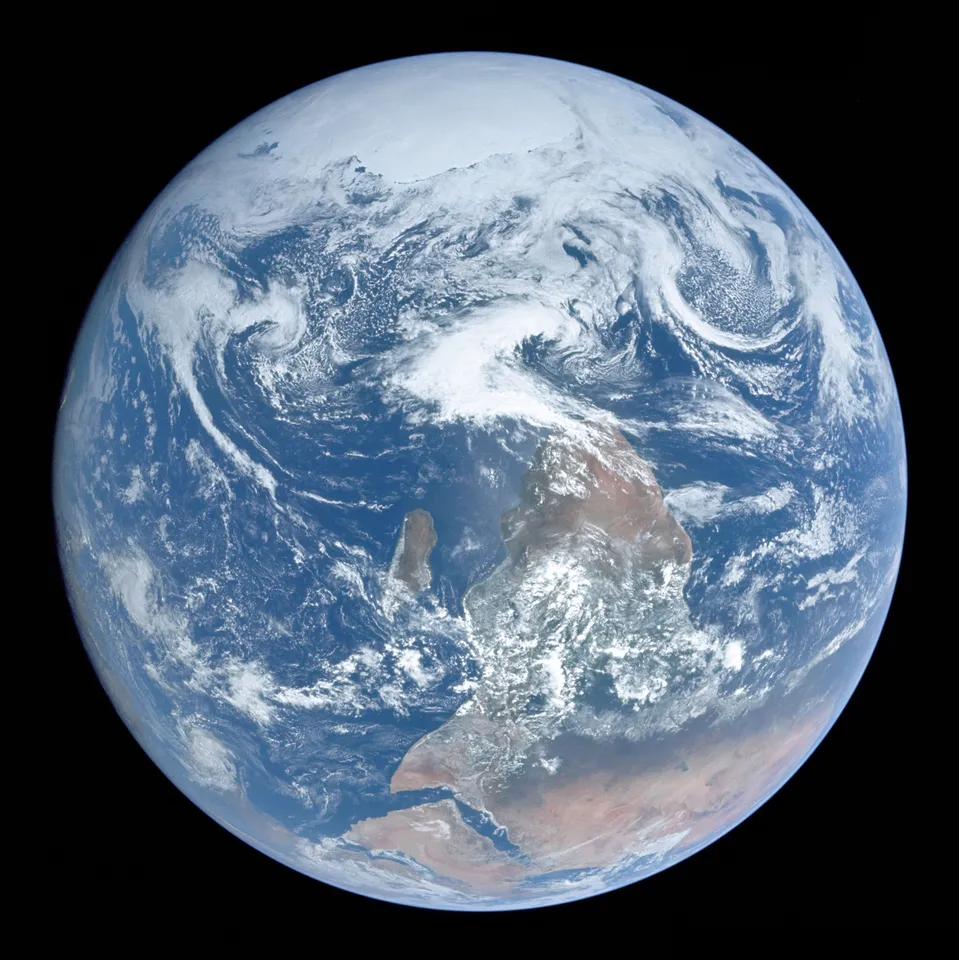
An estimated diameter should therefore come with its method and uncertainty. A dramatic illustration is not a telescope photograph, and an artist's surface texture is not evidence of geology. The historical Earth image on this page is a general astronomy illustration, not an image of ED138.
How students can evaluate the report
Find the full designation and a link to the original observatory, research team, paper or recognised astronomical catalogue. Check whether the work is a preliminary announcement, a submitted manuscript or a peer-reviewed study. Look for follow-up observations and explanations of what remains unknown.
Pay attention to verbs. Discovered, proposed, estimated and confirmed describe different levels of confidence. Rewriting a cautious scientific statement as a certainty makes the headline stronger but the explanation worse.
A classroom exercise
Create two columns headed observation and interpretation. Put measured positions and recorded brightness in the first; place proposed size and classification in the second, with their supporting method. This separates the evidence from the conclusion.
Sources and image credit
Image: NASA, Public domain. Earth photographed by Apollo 17 in 1972; historical illustration. Resized to fit within 1280 × 960 pixels without cropping; converted to WebP. No endorsement implied.
Need Direct Access to this Notification?
Check the original source for the latest instructions and any corrections.
Result dates, fees and eligibility must be checked against the board's current notice. Report a correction with the article URL and original source.