
England vs South Africa: What the Sixes Bowl Final Means
Understand England vs South Africa in the Hong Kong Sixes Bowl final, including placement stakes, Pakistan time and a practical six-over chase worksheet.
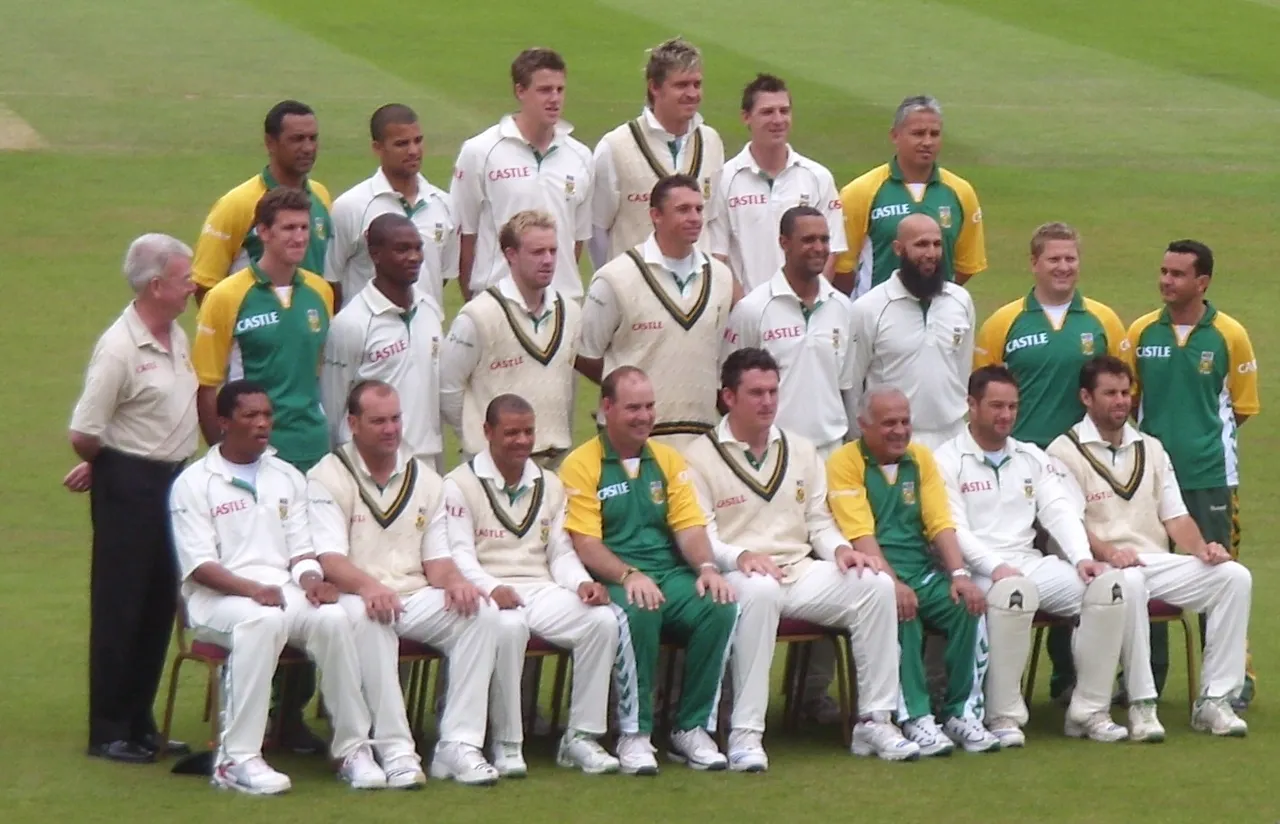
England vs South Africa is listed as the Hong Kong Sixes Bowl final on 1 November 2026, deciding ninth and tenth places. It is a final within a placement competition, rather than the match for the overall Cup title. That distinction explains why a search for “final” can return a legitimate fixture with very different stakes from the tournament championship.
The official schedule gives the match a 13:20 Hong Kong slot, equivalent to 10:20 AM Pakistan time. This article records the scheduled fixture checked on 1 November; it does not establish a completed result. Below is a practical way to follow the contest, understand its placing significance and analyse a six-over chase without treating an old score graphic as a current update.
Why is there a Bowl final as well as a Cup final?
The tournament continues with different placing routes after the group stage. The Bowl is one route, while the Cup decides the overall champion. England and South Africa's listed meeting therefore matters for their final placement even though it does not decide first place.
Think of the tournament as several connected branches rather than one elimination ladder. A team can lose its opportunity to become champion and still have competitive fixtures remaining. Calling such a side “out of the tournament” obscures the difference between losing a title route and finishing its programme.
For viewers, this affects which comparison is useful. A preview asking who becomes champion is the wrong introduction to a ninth-place match. A better question is how the sides respond to their remaining competitive task and use a short innings effectively. Placement gives the match its context; it does not dictate how intensely the participants approach it.
The Super Six qualification explainer covers another competition structure. Its transferable lesson is to identify the actual stage before interpreting a result. Similar-sounding labels can describe substantially different routes, so a familiar cricket term should not replace reading the event's published bracket.
What should you record before the first delivery?
Write down the competition, date, match stage and current status. Then add the scheduled time with its timezone. Hong Kong is three hours ahead of Pakistan, so converting 13:20 produces 10:20 on the same date. This is a time conversion, not evidence that the actual first delivery occurred punctually.
If the fixture page offers a local-time display, check whether your device has already converted it. Subtracting three hours from a Pakistan-localised display would introduce a second, incorrect conversion. A complete note should say either Hong Kong time or Pakistan time, rather than leaving the reader to guess.
Next, separate the squad from the selected players. A tournament squad identifies the available group, while the match record identifies those who actually participate. Do not infer selection from a promotional photograph or copy a predicted line-up into a result report.
Finally, establish the permitted innings length and any revised conditions. Weather or other operational changes can alter the original plan. The useful starting question is how many legal deliveries are available under the actual match conditions, not how many were expected when a timetable was first published.
Why do six overs change the value of a quiet passage?
In an uninterrupted six-over innings, the batting side has 36 legal deliveries. Six scoreless legal balls consume one sixth of that opportunity. A quiet over therefore has a substantial cost in time, even when the wicket column does not change.
That does not mean every delivery should be attacked blindly. A batter still has to assess line, length and the consequences of dismissal. The analytical question is whether the chosen risks create enough scoring opportunities for the remaining target and resources. Simply demanding a six from every ball is not a useful tactical explanation.
For a fictional example, compare two opening overs. In the first, a side scores a boundary and then five dots, producing four runs. In the second, six singles produce six. The first contains the more dramatic shot, but the second produces a better total while keeping the scoreboard moving throughout.
The comparison also highlights running and strike rotation. If partners can identify safe singles, they may reduce the pressure to manufacture a boundary against a difficult delivery. Conversely, a well-positioned field that denies easy runs can make an attacking shot more attractive despite the risk.
How can you follow the chase one over at a time?
Use runs required and balls remaining as the central equation. Convert that into the required pace only after checking the target and legal-delivery count. A side's current run rate describes the past; its required run rate describes the task ahead.
Suppose a fictional target is 91 and the chasing side reaches 39 after three complete overs. It needs 52 from 18 legal balls. That is about 2.89 runs per ball, or 17.33 per over. These are teaching numbers, not England or South Africa's figures.
If the next over produces 19, the equation becomes 33 from twelve balls. The requirement has improved, but two demanding overs remain. A single successful over does not settle the match, particularly if it also costs wickets or leaves a new batter facing the final phase.
| Checkpoint in the example | Runs required | Legal balls left | Required runs per over |
|---|---|---|---|
| After three overs | 52 | 18 | 17.33 |
| After an illustrative 19-run over | 33 | 12 | 16.50 |
| After a further illustrative 15 | 18 | 6 | 18.00 |
The table demonstrates how quickly the equation can improve and then become harder again. Track the arithmetic rather than relying on the emotional impact of the most recent boundary.
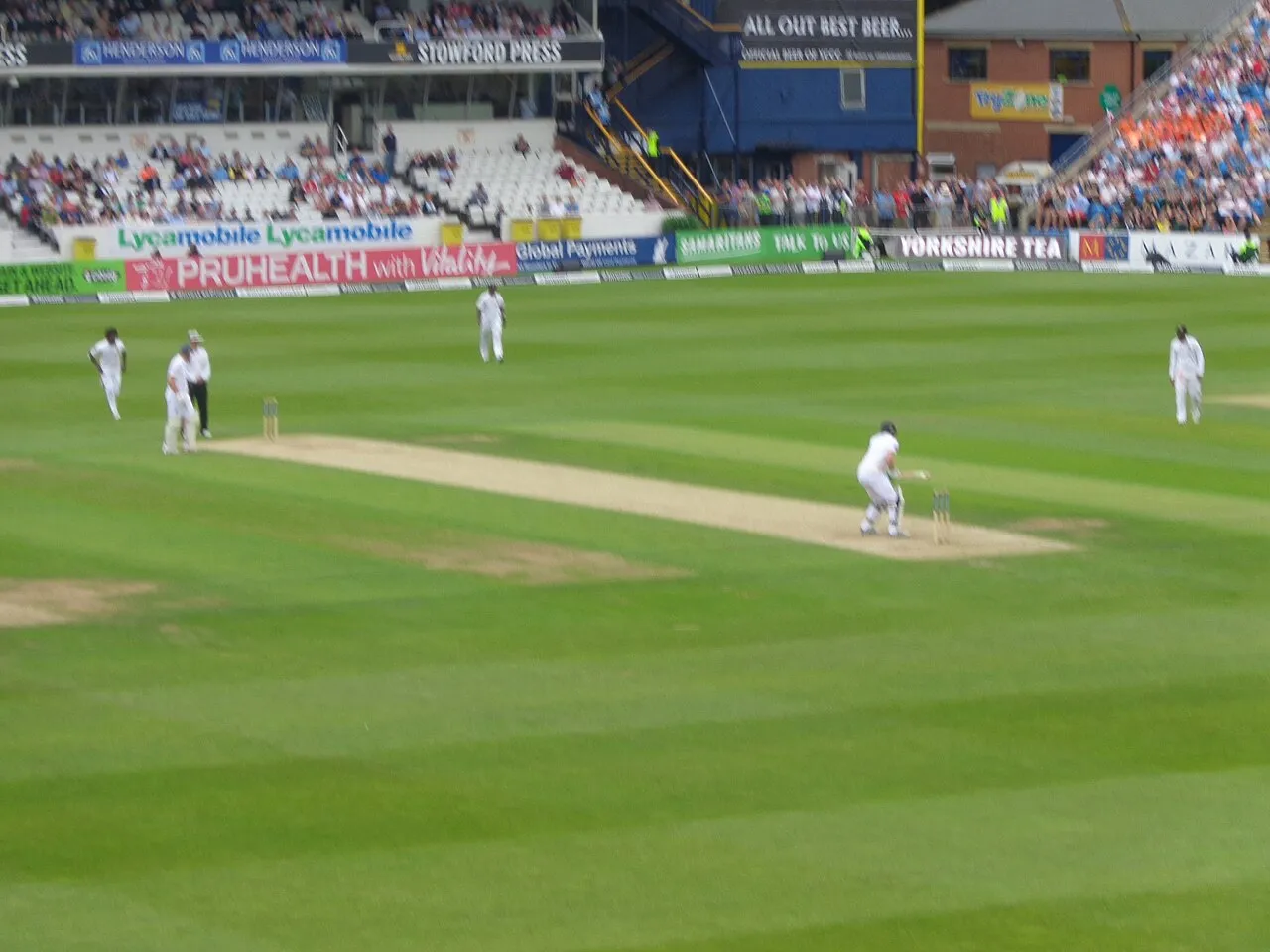
Historical England Test cricket provides a format comparison, not coverage of the Sixes Bowl final.
Which details can make a score graphic misleading?
A total without an innings label, target or over count lacks the information needed to explain the position. A screenshot can also be accurate for its capture time while no longer representing the match. Read the status and timestamp alongside the numbers.
Overs are not decimal fractions. A display of 4.2 represents four overs and two legal balls, or 26 legal deliveries. In a full six-over innings, ten legal balls remain. Subtracting the decimal number 4.2 from six does not produce a valid cricket calculation.
Extras can complicate a viewer's manual count. Wides and no-balls may add runs without consuming a legal delivery. Count the official legal balls rather than every visible delivery event. Follow the scorer's treatment when an incident includes several actions or a disputed decision.
A wicket total needs context too. In a specialised format, retirement and final-batter provisions may differ from familiar eleven-a-side assumptions. Read the event's playing conditions rather than importing a rule remembered from another edition. The Hong Kong Sixes match guide explains why format identity matters before comparing numbers.
How should you assess bowling in such a small sample?
A single over gives limited evidence about a bowler's broader ability. One boundary, misfield or extra can dominate the final economy figure. Describe execution and the assignment before turning an expensive over into a verdict about an entire career.
Ask where the bowler tried to restrict scoring. A wide line, a fuller length or a change of pace can each have a purpose, but the field and batter's response help explain whether the approach worked. Avoid naming a plan solely because one delivery produced a wicket.
Distinguish a bowler's credited wickets from a run-out during the same passage. Both can benefit the fielding side, but the official statistics allocate them differently. Likewise, a difficult catch and a straightforward dismissal are not identical fielding contributions merely because the wicket column rises by one.
The spin-bowling statistics guide offers a fuller explanation of economy, average and strike rate. For this match, the most useful application is restrained: use the figures to describe what happened, then connect them with the small sample and visible sequence.
What would a useful post-match summary include?
Begin with the verified result, completed totals and margin. Then identify a decisive passage and explain its effect on the equation. Finish with the placing consequence. That structure answers the reader's immediate question before adding interpretation.
A strong turning-point paragraph can describe a three-ball sequence, a partnership or an over that changed the requirement materially. Give the actual figures only after the completed record establishes them. Do not retrofit the fictional examples above into the real match.
Compare highlights with the full scorecard. An edited package favours boundaries and dismissals, so it may omit the singles and dots that built the requirement. If your conclusion depends on sustained pressure, inspect the quieter deliveries as well as the spectacular ones.
Keep the language proportional. A ninth-place win is a ninth-place win, not an overall championship. A loss in this match does not erase every earlier contribution by either side. Accurate placement language respects both the result and the wider tournament.
A short viewing worksheet
Before watching, prepare a page with five headings: fixture identity, legal-ball count, chase equation, field changes and confirmed outcome. Fill in only what the record or footage supports. Leave an unknown item blank rather than substituting a likely-looking answer.
At the end of each over, record the equation and one observation. Perhaps easy singles disappeared, a batter changed scoring direction or a bowler altered length. After the match, compare those observations with the final figures. This makes the viewing exercise cumulative rather than a series of reactions.
If the official result is not available, say precisely what remains unverified. A scheduled start and named finalists are useful facts, but they do not establish the winner. Keeping that boundary clear gives readers a dependable explanation of the Bowl final without disguising an educational article as a live score service.
Sources
Image credits: cover: PaddyBriggs, source, Public domain. Resized and converted to WebP. inline: Mtaylor848, source, CC BY-SA 3.0. Resized and converted to WebP.
Found an error or an outdated detail? Report a correction with the article URL and original source.