
Hardik Pandya to Punjab Kings: Arshdeep’s Mumbai Trade and Team Balance
Read the confirmed IPL 2027 Hardik–Arshdeep trade, announced fees, player roles and the distinction between a transfer and a captaincy decision.
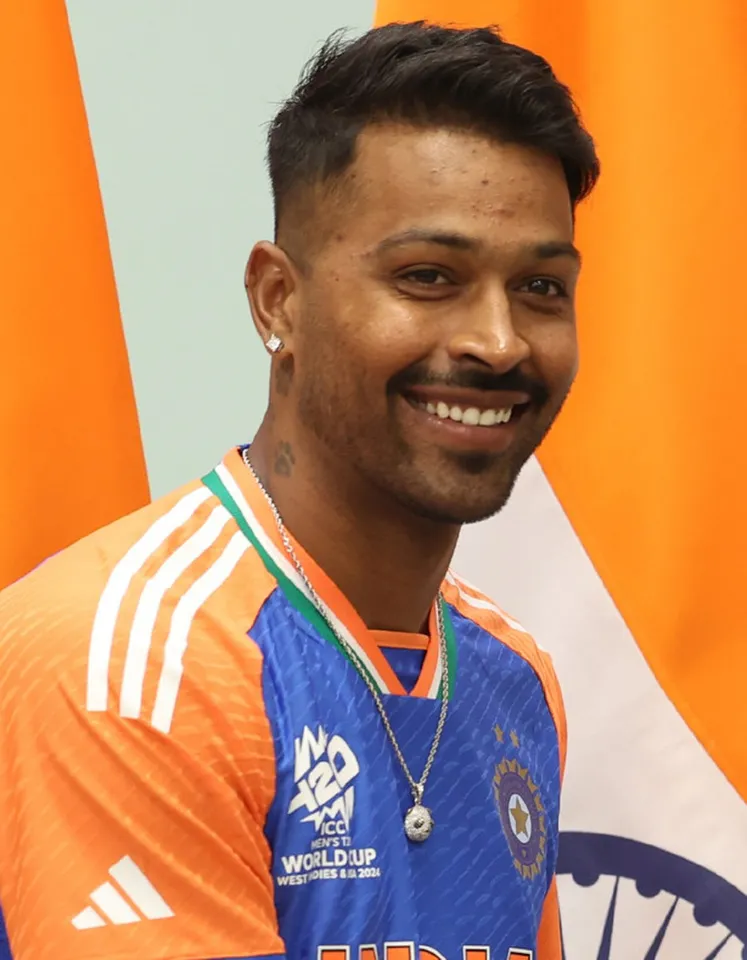
Hardik Pandya is moving to Punjab Kings
The IPL confirmed on 11 November 2026 that Hardik Pandya will move from Mumbai Indians to Punjab Kings ahead of the 2027 season, with Arshdeep Singh travelling in the opposite direction. This is an announced player trade, not merely an auction prediction or an unnamed-source report about a possible move.
The league lists Pandya's new fee as ₹18 crore, compared with his previous ₹16.35 crore, while Arshdeep moves at an existing ₹18 crore fee. These are the figures described in the official advisory. They should not be relabelled as an independently disclosed cash payment between the franchises or a complete statement of either team's remaining purse.
Both clubs have published their own announcements. That gives readers a straightforward way to verify the development without depending on a recycled graphic or a speculative retention list.
What changes for each team?
| Team | Incoming player | Outgoing player |
|---|---|---|
| Punjab Kings | Hardik Pandya | Arshdeep Singh |
| Mumbai Indians | Arshdeep Singh | Hardik Pandya |
Pandya offers a combination of middle-order batting and seam-bowling options. Arshdeep is a specialist left-arm pace bowler. Consequently, the exchange is not a simple replacement of one identical role with another. Each team must consider how the change fits its wider squad and the jobs performed by the remaining players.
An all-rounder can give a captain flexibility when balancing batting depth and bowling choices. A specialist bowler can strengthen an important phase of the innings. Whether either advantage is realised depends on availability, form, tactics and the rest of the selected eleven. A transaction announcement cannot establish those future outcomes.
Pandya's earlier IPL chapters
The official account identifies four title-winning campaigns with Mumbai in 2015, 2017, 2019 and 2020. Pandya then led Gujarat Titans to the championship in their debut 2022 season and another final in 2023 before returning to Mumbai in 2024. These dates help readers understand why another move attracts attention.
They also show why a player's history should be read chronologically. An old photograph in a Gujarat shirt is genuine historical context, but it does not contradict the new Punjab announcement. Likewise, an older Mumbai captaincy profile may remain searchable after a transfer has been confirmed.
Avoid turning past trophies into a guarantee. A player's experience can be valuable without making a new franchise's season predictable. Team sports involve combinations of people and circumstances, rather than a collection of individual honours that automatically produces the same result elsewhere.
Why Arshdeep's departure matters to Punjab
Punjab are gaining one type of contribution while losing another. The IPL describes Arshdeep as the franchise's leading wicket-taker, with 111 wickets in 96 appearances at the point of the announcement. That gives the bowling side of the trade substantial context.
A left-arm angle changes the geometry a batter faces. New-ball movement, field settings and late-innings execution can create different tactical questions. None of that establishes exactly how Mumbai will use Arshdeep in every match, but it explains why evaluating the trade solely through batting totals would be incomplete.
For Punjab, the sensible next question concerns the bowling resources that remain and any subsequent squad decisions. For Mumbai, it concerns how the new pace option fits alongside the existing attack. Those questions need actual squad information, not assumptions that the teams have already solved every balance problem.
Trade, auction and captaincy are separate decisions
A confirmed trade identifies a move between franchises. An auction involves a different acquisition process. Mixing the terms can lead readers to search for a fictional winning bid or assume a player was released into an auction when the announcement describes a direct trade.
Captaincy is another separate issue. The fact that a player captained an earlier team does not automatically confirm the leadership arrangement at the new one. Use an explicit club announcement before presenting a future captain or vice-captain as settled.
Similarly, the published fee is not a performance forecast. It describes a commercial part of the move, not how many runs or wickets a player will deliver. Comparing fees can be interesting, but the cricketing assessment still requires attention to roles and actual performances.
Questions supporters are asking
Is the move confirmed?
Yes. The league's 11 November advisory and both franchise announcements confirm the exchange ahead of IPL 2027. That is stronger evidence than an unofficial transfer list. Check the season attached to the announcement so that an older move is not mistaken for this one.
Does this confirm Punjab's new captain?
The trade itself should not be treated as a separate captaincy announcement. Leadership decisions need their own confirmation. Nor does the exchange establish a final playing eleven, batting order or bowling rotation before the rest of the squad and match circumstances are known.
Who benefits more?
There is no result to award before the season. The teams gain different skills and must manage different gaps. A fair review can explain those trade-offs now and revisit them after matches, rather than declare a guaranteed winner from reputation or fee alone.
For related dated cricket coverage, browse the RayTech updates collection. Follow subsequent official squad announcements alongside this trade; they will provide the context needed for a more complete assessment of both teams.
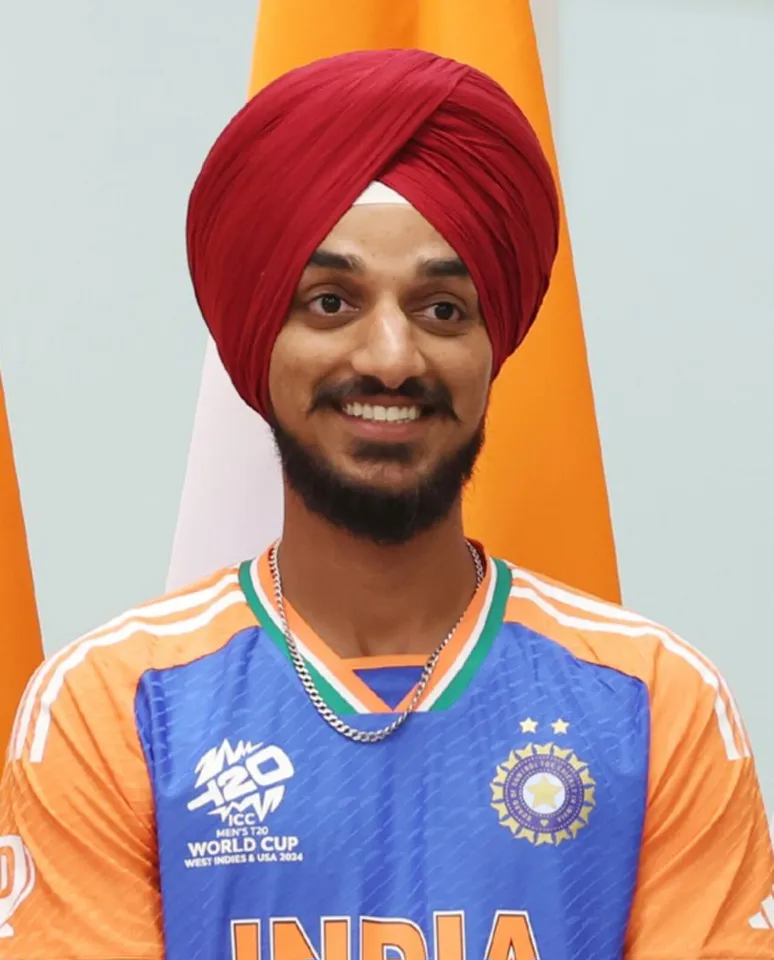
Archive image of Arshdeep Singh, not a Mumbai Indians signing ceremony.
Evaluate the role before declaring a winner
A player exchange can look symmetrical because one name moves in each direction, but the cricketing roles need not be symmetrical. A seam-bowling all-rounder and a specialist left-arm pace bowler can solve different squad problems. The useful comparison begins with what each team needs, not with an assumption that every outgoing skill has been replaced like for like.
For an all-rounder, consider batting position, likely bowling workload and the flexibility created elsewhere in the eleven. For a specialist bowler, consider the phases in which the team expects to use the overs and the alternatives already available. Those are analytical questions, not a confirmed plan for either franchise's 2027 matches.
An assessment should also recognise what remains unknown. The full squad, player availability, form and match conditions can alter how a team uses an incoming player. A trade announcement cannot settle all of those variables months before every relevant fixture.
That is why a careful preview can describe a trade-off without awarding the season in advance. Punjab gain one set of options and lose another; Mumbai do the reverse. The eventual value depends on how those options fit the wider squad and are used on the field.
What an all-rounder can change in a team combination
A player who contributes in two disciplines can give a captain more ways to distribute responsibilities. If the player completes useful overs, the team may have flexibility elsewhere. If the player is used primarily for batting in a particular match, the bowling balance still needs to be supported by the rest of the eleven.
The label all-rounder does not guarantee the same workload in every game. Fitness, role and conditions matter. It would therefore be misleading to treat a historical bowling record as a promise that Pandya will bowl a fixed number of overs in each future appearance.
Consider a fictional team deciding between an additional batter and another bowling option. A reliable multi-skill contribution might change that decision, but only if the captain has confidence in how the workload will be delivered. The example explains squad flexibility; it is not a leaked selection plan for Punjab.
Batting flexibility also needs context. Finishing an innings, rebuilding after early wickets and attacking a particular bowling phase are different tasks. A player can contribute in more than one way, but a balanced analysis identifies the actual assignment rather than expecting every skill to be displayed simultaneously.
Why a left-arm pace option is a different resource
A left-arm bowler changes the angle from which a delivery reaches the batter. That can offer variety within an attack, particularly when other options have different release points or methods. Variety is useful only when accompanied by execution and an appropriate plan; handedness alone does not guarantee success.
Bowling with a new ball and bowling near the end of an innings also involve different demands. One phase may reward movement and a particular field; another may require careful control under a batter's attacking intent. A player's experience in these situations is relevant, but the current trade does not confirm a complete over-by-over plan.
When reviewing Arshdeep's contribution after the season begins, keep wickets, runs conceded and match context together. A difficult assignment can produce figures that need explanation. Equally, a reputation for handling difficult overs should not exempt a performance from fair examination of what actually happened.
A good comparison avoids reducing one player to a fee or one highlight. It explains the role being acquired and the skill gap the team must manage after the outgoing player leaves. That is a more informative basis for discussing the exchange than a simple popularity contest.
Read the money figures accurately
The official advisory's player-fee figures should remain attached to that description. They do not automatically disclose every financial arrangement between the organisations. A headline that changes player fee into a complete transfer price would make a different claim from the announcement.
Keep the units visible as well. A crore is ten million rupees. Converting a figure for an international reader can be useful, but an exchange-rate conversion needs its own dated rate and should not be presented as an additional official IPL amount.
For a numerical exercise, compare the stated 18 crore with 16.35 crore. The difference is 1.65 crore. Relative to 16.35 crore, that is approximately 10.09 percent. This is arithmetic using the advisory's inputs, not a judgement about market value or the total economics of the exchange.
Do not use that calculation to infer a franchise's remaining auction purse. The purse depends on more than the two figures in a short trade story. A complete calculation requires the applicable rules and the team's other confirmed commitments, not a guessed starting number.
Keep leadership and selection announcements separate
A player can bring experience without a trade notice formally appointing him captain. Likewise, joining a franchise does not by itself establish a batting position or guarantee selection in every fixture. Those decisions may be announced separately or emerge through match selections.
Readers should ask what action an announcement actually performs. Confirming a move, naming a captain, releasing a final squad and publishing a playing eleven are distinct actions. An article becomes clearer when each development receives its own source and date.
This also prevents confusion with earlier career moves. A search for Pandya and Mumbai may return coverage of a previous return to the franchise. That earlier report can be accurate while belonging to a different season. The date and direction of movement are essential identifiers.
If a later official announcement changes the context, add that information as a dated update. Do not silently rewrite the original trade as though all subsequent decisions had already been known. A visible chronology helps readers understand how the squad was assembled.
Build a fair season-review worksheet
Before the season, write the expected role as a question rather than a promise. For example: how will the incoming player fit the middle order, or which bowling phases will the team assign? After matches, record the actual role and the contribution. This creates a comparison that can be checked against evidence.
Avoid changing the criteria after every result solely to defend an early opinion. If your assessment initially concerned bowling balance, revisit that balance rather than switching entirely to social-media popularity. A fair review can acknowledge both a successful contribution and a continuing squad problem.
Use a reasonable sample before making sweeping conclusions. One strong performance is worth recognising, and one poor match is worth examining, but neither necessarily defines an entire season. Explain the scope of the evidence when describing form or effectiveness.
Finally, separate team outcomes from individual outcomes. A team can win despite one player having a quiet game, or lose despite an excellent individual performance. The trade's eventual assessment should consider how the acquired skills fit the side over time, without pretending that one person controls every result.
What supporters can reasonably conclude now
The move is an official development with clear directions and stated fees. It gives supporters a concrete basis for discussing squad construction. It does not supply a guaranteed tournament winner, a complete selection strategy or private explanations that the organisations have not disclosed.
The most useful conversation therefore starts with roles and evidence. Identify what changed, consider the options each team gains and follow the next official squad decisions. That approach leaves room for enthusiasm while keeping a preview distinct from a verdict that only the season's actual cricket can support.
Sources
- Source: IPL official trade advisory
- Source: Punjab Kings announcement
- Source: Mumbai Indians announcement
Image credits: cover: Prime Minister's Office ( GODL-India ), source, GODL-India. Resized and converted to WebP. inline: Prime Minister's Office ( GODL-India ), source, GODL-India. Resized and converted to WebP.
Found an error or an outdated detail? Report a correction with the article URL and original source.