
Indian Railways Guide: PNR, Train Numbers, Journey Dates and Running Information
Use official Indian Railways routes to distinguish PNR, train numbers, journey dates and running updates, and organise passenger records safely.
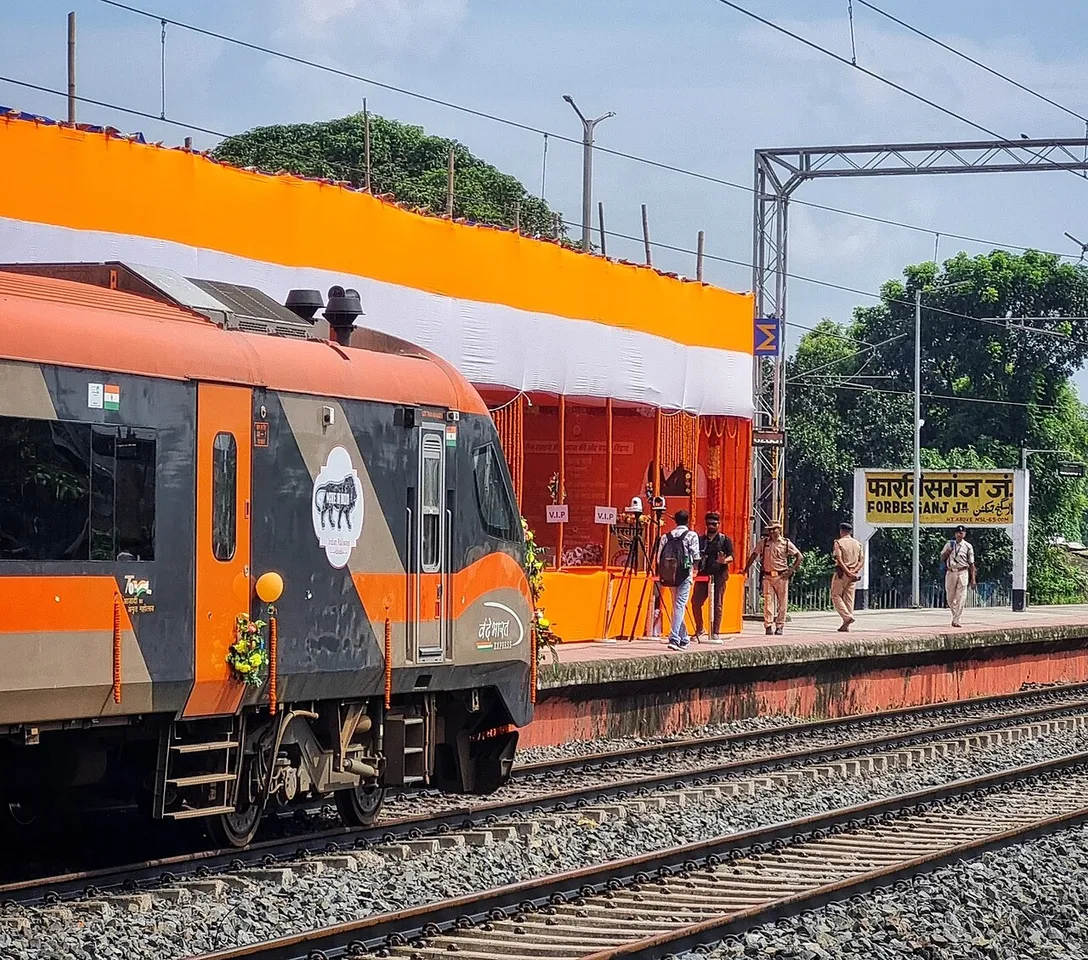
Indian Railways journey information involves several different records: the train service, the journey date, a passenger reservation and the train's current running information. These records are related, but they do not answer the same question. Understanding the distinction helps travellers avoid confusing a booking reference with a train number or a scheduled time with a current movement update.
This guide was checked on 5 November 2026. It explains official information routes and the records needed to plan a journey clearly. It does not confirm an individual reservation, predict a train's arrival or replace current boarding and cancellation rules. Use the applicable official service and your actual booking information for those decisions.
Which official service should I use first?
Define the task before choosing a page. A booking enquiry, a PNR-status check and a train-running enquiry require different information. Indian Railways' passenger enquiry pages link to its services, including the National Train Enquiry System. For booking, use the appropriate official IRCTC route rather than a form sent by an unknown account.
Keep the official route bookmarked and inspect the domain before entering details. A copied railway logo or a familiar train photograph does not establish that a payment form or support account is genuine. A general guide should not need your password, verification code or payment credentials to explain a public information service.
Write your question as a sentence. For example, you may want to know the status of an existing reservation or whether the intended train is currently delayed. The wording makes it easier to choose the correct record instead of opening several unrelated pages and treating their different answers as a contradiction.
How are a train number and a PNR different?
A train number identifies a service, while a PNR identifies a passenger reservation record. They serve different purposes. Knowing which train you intend to use does not establish the current status of a particular booking, and knowing a reservation reference does not replace reading the journey details attached to it.
Create a private journey sheet with separate fields for train number, journey date, origin, destination and reservation reference. Keep the reference protected when sharing general travel plans. Other people may need the public train details without needing access to the personal information associated with your reservation.
For a classroom exercise, use invented identifiers and explain what each field represents. Do not test the lesson with somebody else's real reservation record. The educational purpose is to understand the relationship between records, not to make private passenger information visible to a group.
Why must I match the journey date carefully?
The same service can operate on different dates, and a journey can extend across midnight. Read the date attached to the relevant departure or boarding arrangement rather than assuming that every time shown on a ticket belongs to the same calendar day as the date you first searched.
Consider an invented example in which a traveller plans to board at 00:30 on Saturday. That is thirty minutes after Friday ends, not late on Saturday night. The example illustrates calendar reading only. Your actual journey must be planned from the dates and instructions on the official record.
Write dates unambiguously when coordinating with family or classmates. Include the day, date and time where needed. A message saying tomorrow night can become confusing when read later or forwarded to someone who did not see the original conversation. Precise information is especially useful around midnight departures and long journeys.
What should I check in a PNR enquiry?
Use the official PNR-enquiry route and read the reservation information it returns for the correct record. Distinguish the status when booked from the current status shown by the service. Retain the relevant journey and passenger context rather than copying one status abbreviation into a message without explanation.
Do not assume that a familiar abbreviation establishes every boarding or accommodation entitlement. Current rules, charting and the actual booking conditions matter. If the result is unclear, seek clarification through the appropriate official channel rather than treating a general internet explanation as a decision about your individual reservation.
Keep the full record privately. When asking a general question, share only the necessary non-sensitive details and redact personal identifiers. A public discussion can explain the difference between records without exposing another traveller's name, journey reference or other information that remains useful to strangers after the question is answered.
How is running information different from the timetable?
A timetable describes scheduled arrangements. Running information concerns the service's reported movement or status for the relevant date. A scheduled arrival time should not be presented as a current measured arrival simply because it appears prominently in a search result or an old saved screenshot.
Read the update time and selected train date when checking movement information. If an update is old or a service has not supplied the expected information, keep that limitation visible. Do not invent a current position by assuming that the train must have continued at the same rate since the last reported point.
For a planning exercise, make separate columns for scheduled time, reported information and time checked. This prevents an estimate from being silently copied into the schedule column or presented as a confirmed event. It also helps explain why two people may receive different answers after checking at different moments.
Why do station names and station codes matter?
Large cities can have several railway stations, and similar names can lead to different places. Match the station named in the booking and the service information rather than assuming that any major station in the city is the correct place to board. Read the code and full name together where they are provided.
Keep boarding and destination information separate from a broad city label used in casual conversation. A family member arranging a pickup needs the actual arrival station, not merely the city. If a journey includes a connection, identify the stations involved rather than assuming that changing trains always means staying in the same building.
When a place name is unfamiliar, confirm it through the official record before making local travel arrangements. An attractive map pin or a popular landmark can be useful context without establishing the station assigned to your particular journey. The booking information remains the reference for identifying that station.

Howrah railway station, used to illustrate station identification rather than to confirm a particular passenger’s boarding point.
What does a train name such as Vande Bharat establish?
A train-family name provides context, but it does not identify every operational detail of an individual service. Check the exact train number, route, date and class offered through the official booking or enquiry service. Do not assume that one photograph or one traveller's experience describes every service using a familiar name.
For learning, compare a broad product or service label with a specific identifier. The label helps you recognise a category; the identifier helps you find the record relevant to a particular action. The same distinction appears in software versions, examination notices and transport information.
Read service-specific conditions before making plans based on an amenity or schedule mentioned in an article. This guide deliberately does not promise a current fare, stopping pattern or onboard arrangement. Those are details to verify for the journey being booked, not assumptions to inherit from another route.
How can I plan a connection responsibly?
Identify the separate services, stations and dates involved. Then consider the conditions relevant to the transfer, including local movement and current operational information. A general article cannot establish that a particular connection is guaranteed or that a delay affecting one service will automatically change the arrangements for another.
Make a checklist of what must be confirmed rather than inventing a universally safe transfer interval. Travellers can have different mobility needs, luggage and station arrangements. A small numerical rule copied from a forum may overlook the very condition that matters for the actual journey.
Keep an alternative communication plan. Decide who will check official updates and how changes will be shared with someone meeting the traveller. A clear update saying which service and station are affected is more useful than forwarding several screenshots without explaining which one is current.
What should I verify before making a payment?
Check the official booking route, the journey selected and the payment stage shown by the service. Avoid sharing credentials or verification codes with someone claiming to complete the booking through a private message. A support conversation should not require handing control of your account to a stranger.
After a payment attempt, distinguish the payment record from the booking status. A message from a payment provider and a confirmed reservation are different records. Read the official transaction status and follow the stated process for any unresolved payment instead of repeatedly paying without understanding what happened to the first attempt.
Keep receipts and references privately. When contacting support, identify the specific discrepancy and use the appropriate official channel. Do not publish a complete payment screenshot containing account details merely to demonstrate that a problem occurred. A focused report can describe the issue without creating an unnecessary public record.
How should I read cancellation or refund information?
Use the current rules applicable to the booking and the action being considered. Distinguish cancelling a reservation from checking a refund that is already in progress. A general explanation cannot establish an individual's entitlement without the relevant booking conditions, timing and official process.
Before acting, identify the record and read the consequence shown by the service. If a condition is unclear, resolve that uncertainty through the official guidance where possible. Do not assume that a friend's refund experience applies to a different ticket type, status or cancellation time.
Maintain a short case record: booking reference, action taken, time, acknowledgement and unresolved issue. Keep private details out of public discussion. This makes an enquiry more useful because it describes a sequence of events instead of presenting several unrelated screenshots and asking someone to guess what happened.
How can families organise journey information clearly?
Share a concise public plan containing the train number, appropriate journey date and relevant station names. Keep private reservation and account information in a separate secure record. This separation lets someone help with practical arrangements without unnecessarily distributing personal data to every person in a group conversation.
Agree who checks updates and how changes will be communicated. Repeatedly forwarding different screenshots can create more confusion than a single clear message naming the current information and its time. If an earlier message is superseded, say so explicitly rather than assuming everybody has noticed the new attachment.
For a school activity, use a fictional journey sheet and identify the information needed at each stage. The exercise develops recordkeeping, calendar reading and source-verification skills. It should not require students to expose real reservations or practise making payments through a service they do not need to use.
Keep a clear distinction between the plan and its latest update. If a journey arrangement changes, label the replacement information and its time so that an older message does not remain the group's apparent instruction.
Frequently asked questions
Does a timetable confirm my reservation?
No. A timetable concerns a service's scheduled arrangements. Your reservation has its own record and status. Use the appropriate official enquiry for each question and keep the train, date and passenger context attached to the information. Similar-looking numbers on two pages do not make those records interchangeable.
Can a train photograph confirm today's route or facilities?
A photograph can illustrate a train or station, but it does not establish a current stopping pattern, fare, accommodation or movement report. Read its caption and use the official service record for your journey. Contextual images should not be mistaken for a live operational announcement.
Where can students practise the skills in this guide?
Use the class resource directory for available learning material and the programming courses for related digital skills. A useful exercise is to build a fictional journey table with dates, identifiers and clearly labelled update times. Keep invented examples separate from real passenger information.
Sources
- Indian Railways: passenger reservation enquiry
- National Train Enquiry System
- IRCTC official booking service
Image credits: cover: Skrsingh009, source, CC0. Resized and converted to WebP. inline: Bernard Gagnon, source, CC BY-SA 3.0. Resized and converted to WebP.
Found an error or an outdated detail? Report a correction with the article URL and original source.