
Italy Beat France 3–1: Nations League Result and Group A1 Standings Explained
Italy beat France 3–1 in Milan, leaving both on ten points and Belgium on nine. Read the comeback, Group A1 context and the remaining qualification race.
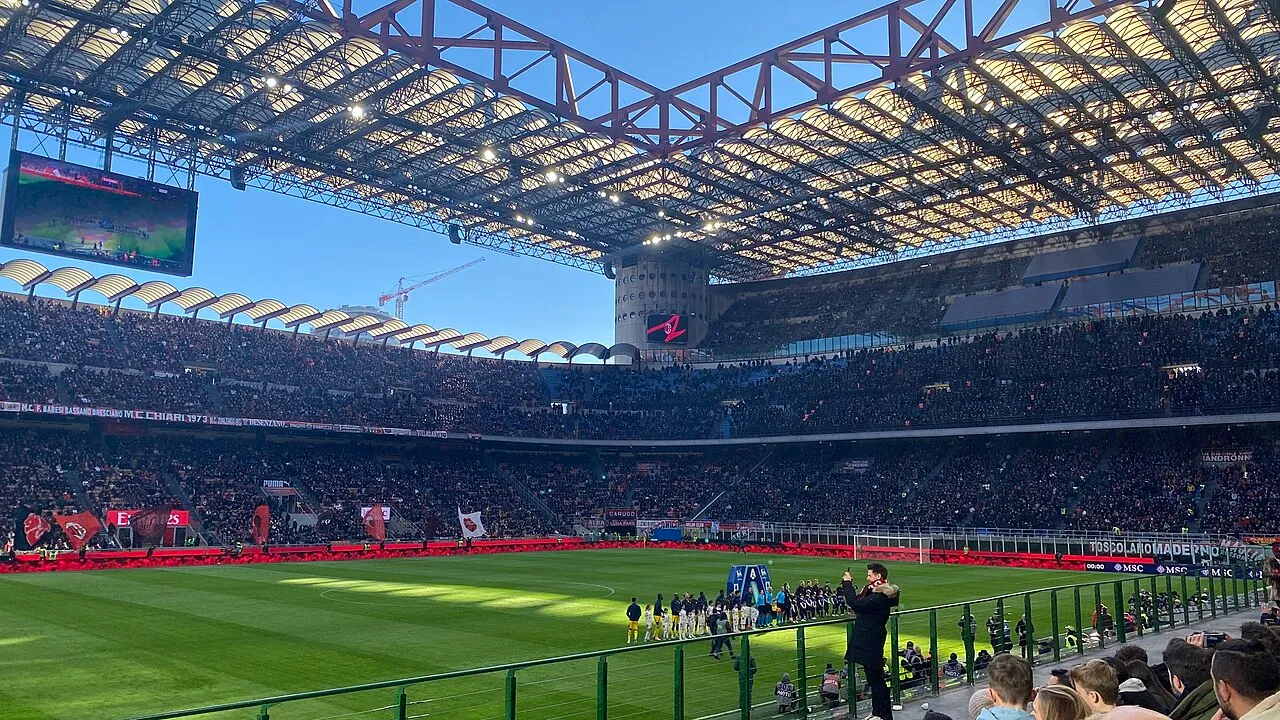
Italy beat France 3–1 in Milan on 12 November 2026, leaving both teams on ten points in UEFA Nations League Group A1. Belgium's victory in Türkiye took them to nine points, so three sides remained involved in the contest for the group's two quarter-final places. A completed match win and a completed qualification campaign are not the same thing.
The Italian federation's report confirms the score and the points picture. France had led through Michael Olise before Italy turned the match around. Pio Esposito scored twice and Davide Frattesi also scored, giving Italy a valuable home result before the final group fixtures.
This report was checked on 13 November 2026. It explains the result, the group-table implications and the difference between points, goal difference and head-to-head evidence. It does not invent possession figures, expected-goals data, player quotations or a qualification outcome that the remaining matches had not yet established.
What the final score establishes
Italy's three goals and France's one produce a two-goal winning margin. That is the completed match result, not an aggregate score from the two group meetings. Keeping the date and home side attached to the score prevents it being confused with the earlier France–Italy fixture.
The result gives Italy three points from this match under the competition's win-points system. France receive no points from this defeat. The group totals, however, also include the earlier fixtures, which is why the two sides can be level on ten despite Italy winning this particular encounter.
For a short summary, keep three items together: final score, match date and table context. A statement such as “Italy ahead” is less useful without explaining whether it means the match score, points total or a position determined after applying the relevant ranking criteria.
How the scoring sequence changed the match
Olise put France in front early, and Pio Esposito brought Italy level during the first half. Frattesi then gave Italy the lead after the interval, before Esposito's later penalty completed the 3–1 score. The sequence is supported by the reviewed match reports, rather than invented from the final total alone.
There was also a missed Italian penalty before Frattesi's goal, according to UEFA's account. A missed penalty and a later converted penalty are separate events. A summary should not merge them into one incident or assume that every penalty mentioned in a report directly changed the score.
This article does not assign motives or emotions to the players beyond the reported events. The score progression already explains the comeback. A more detailed tactical claim would need evidence about positioning, decisions and phases of play rather than a dramatic description attached to three scoring entries.
Why the comeback matters without deciding the group
Coming from behind describes the change from France leading to Italy finishing as winners. It is a meaningful match narrative, but it does not automatically establish that Italy have won the group or secured a place regardless of every remaining result. Tournament consequences need a separate table check.
The confirmed table picture after these results is Italy ten, France ten, Belgium nine and Türkiye zero. The final matchday still matters because the gap between the leading three sides is small. A reader should therefore resist turning one successful evening into an announcement of a finished qualification race.
The useful distinction is between what happened and what remains possible. Italy's win is a completed fact. The final order depends on the remaining fixtures and the competition's ranking rules. Keeping those categories separate makes a report useful beyond the first celebratory headline.
Points and goal difference answer different questions
Points record the competition return from wins, draws and losses. Goal difference is goals scored minus goals conceded across the relevant set of matches. Both can appear in a table, but they are not interchangeable measurements and should not be combined into an invented score.
For an illustrative example, a team scoring eight and conceding five has a goal difference of plus three. Another team scoring ten and conceding seven also has plus three. The equal difference does not mean their individual match results or points must be the same.
These example totals are fictional and do not describe either side's current full group record. Their purpose is to show why a points table needs several labelled columns. A match report should not supply a complete statistical row unless every required input has been checked.
Head-to-head results need their own scope
When teams are level on points, competitions can use specified head-to-head criteria before or alongside wider group statistics. Read the current regulations and official table rather than assuming that the largest overall goal difference always settles the position. The order of the criteria matters.
In a two-team comparison, the relevant fixtures are the meetings between those teams. A third team's result is not automatically part of that same mini-comparison. When several teams are level, the applicable procedure can become more involved, which is another reason to consult the official ranking rather than improvise a rule.
This guide does not invent a universal tiebreak rule for every football tournament. A World Cup group, a domestic league and the Nations League can have different regulations. The correct question is what the particular competition says, not what a reader remembers from another event.
Reading the ten-ten-nine points picture
Italy and France on ten points and Belgium on nine form a close three-team contest. A win adds three, a draw adds one and a defeat adds none. Those simple additions show why a one-point gap before the last matchday can change quickly.
For a hypothetical team starting on ten, the next result could produce thirteen, eleven or ten. That is arithmetic, not a forecast of the actual final fixtures. The other teams' outcomes and the ranking criteria still determine what those numbers mean for qualification.
Avoid displaying isolated possibilities as though they are guaranteed paths. A useful scenario names every assumption it depends on. If an explanation says a team “will qualify” while omitting another relevant result, the certainty may be stronger than the evidence supports.
Italy's next fixture is a separate event
UEFA's published schedule places Belgium–Italy on the final group matchday. That fixture should be checked through the current official listing for any change. The fact that Italy beat France does not provide the lineup, score or outcome of the subsequent match in advance.
For a supporter planning to follow it, keep schedule information separate from a result report. A timetable answers when and where the next match is planned; this article answers what the completed Italy–France match established. Mixing the two can make an otherwise accurate page appear to report events that have not occurred.
It is also unnecessary to predict a final score to explain the stakes. The points picture already shows why the next fixture matters. A precise account of the situation is more valuable than a confident number offered without a defensible forecasting method.

Archive: Norway–Italy, June 2025. This is international-football background, not Italy’s November 2026 match against France.
Two goals in one match are not a complete player profile
Esposito's two goals are an important part of this result. They should not automatically be expanded into claims about a season record, a transfer decision or a guaranteed role in every future team. Those questions require evidence beyond this match's scoring list.
Likewise, Frattesi's goal tells us that he contributed to the comeback, not that a single scoring event measures every part of his performance. Football includes off-ball movement, defensive work and passing decisions that a goal tally alone does not capture.
For young readers, this is a helpful way to appreciate individual achievements without reducing the sport to one column. Record the verified goal contribution, then distinguish it from broader claims that would need a fuller performance record. Specific praise can be meaningful without becoming an unsupported superlative.
Venue and date prevent a misleading historical comparison
The match took place in Milan, with the stadium commonly identified as San Siro or Stadio Giuseppe Meazza. A source using the formal stadium name and another using the familiar name are not necessarily describing different venues. Check the fixture context before assuming a contradiction.
The November date also distinguishes this result from older Italy–France meetings. Search results can return historic finals, earlier Nations League fixtures and the current match together. A recognisable national-team badge is not enough to establish which event a score belongs to.
When sharing a result card, include the competition and date rather than only the flags and score. Those extra labels make the information more useful and reduce the chance that a later reader mistakes an archived image for a fresh update.
Why missing statistics should stay missing
This report does not provide possession, shot totals or expected goals because those specific datasets were not verified for publication. A final score cannot be used to calculate them. Three goals do not reveal how many chances a team created or the quality assigned to each attempt by a particular model.
If another source includes those figures, inspect the provider and definition. Expected goals is a model-based measure, while a shot count is an event classification. Different systems can use different methods, so a comparison needs consistent labels and scope.
The absence of a decorative statistics panel is preferable to a fabricated one. Readers searching for standings need the actual points picture and qualification context first. Additional data is useful when accurate, not simply because a page looks fuller with more numbers.
A practical way to follow the last matchday
Begin with the official group table and record its update time. Then identify the relevant remaining fixtures and their current status. While matches are ongoing, label any provisional table as live rather than treating it as a final qualification announcement.
If two matches affect the same group at once, a goal in one can change the interpretation of the other. That does not mean an earlier live calculation was necessarily dishonest; it means its conditions changed. A careful update makes the timing and provisional status visible.
After the fixtures finish, return to the official completed table. That final check is more reliable than leaving a screenshot from an earlier minute as the last word. The aim is to preserve the difference between a useful live snapshot and an established final order.
A table-reading exercise
Create three fictional teams on ten, ten and nine points. Give them one remaining result each and calculate their new totals. Next create a tie and identify which additional information you would need before ranking them. Do not invent the missing tiebreak information simply to finish the exercise.
This activity teaches two skills at once: basic points arithmetic and recognising when arithmetic alone is insufficient. A student can correctly add three points and still need the competition rules to decide a tied position. Both parts belong in a careful explanation.
Then compare the exercise with the confirmed Italy–France–Belgium picture, keeping the fictional results separate. The purpose is to understand the stakes, not to publish a pretend final table. A clear example should never be confused with an event report.
What readers should retain
Italy's 3–1 win over France was a comeback in Milan on 12 November. It left the two teams level on ten points, with Belgium on nine after their own victory. The remaining qualification picture therefore required attention to the last fixtures and the official ranking process.
More football and educational explainers are available here. For later developments, use the current official match and table pages. This article records the verified November result and explains how to read its consequences without claiming that the entire competition has already been decided.
Keep a dated result, a dated table and a forecast in separate categories. That small habit makes football coverage easier to follow, especially when several matches share the same evening and the same group can change during play.
Common questions
What was the Italy–France score?
Italy won 3–1 in Milan on 12 November 2026. France scored first, but Italy recovered through two goals from Pio Esposito and one from Davide Frattesi. This is the completed match result, not an aggregate across both group meetings.
Were Italy and France level on points afterwards?
The reviewed federation report lists both on ten points, with Belgium on nine and Türkiye on zero. Use the current official table for later changes and the applicable ranking criteria rather than assuming points alone settle every tied position.
Does this article confirm the final group order?
No. It explains the position after the reviewed matchday. Remaining fixtures still mattered. A later completed table is a different record and should be checked before announcing the final qualification outcome.
Sources
- FIGC: Italy comeback and Group A1 points
- UEFA: Matchday 5 results and Italy–France report
- UEFA: Italy–France official match page
- FIFA: France fixture and result calendar
- UEFA: published league-phase fixture schedule
Image credits: cover: Zakarie Faibis, source, CC BY-SA 4.0. Resized and converted to WebP. inline: MichaelEmilio, source, CC BY 4.0. Resized and converted to WebP.
Found an error or an outdated detail? Report a correction with the article URL and original source.