
J. Sale Pakistan: Official Offers, Sizes, Checkout and Exchange Conditions
Verify J. sale offers, product contents and sizes, compare checkout totals and read the official Pakistan exchange conditions before ordering.
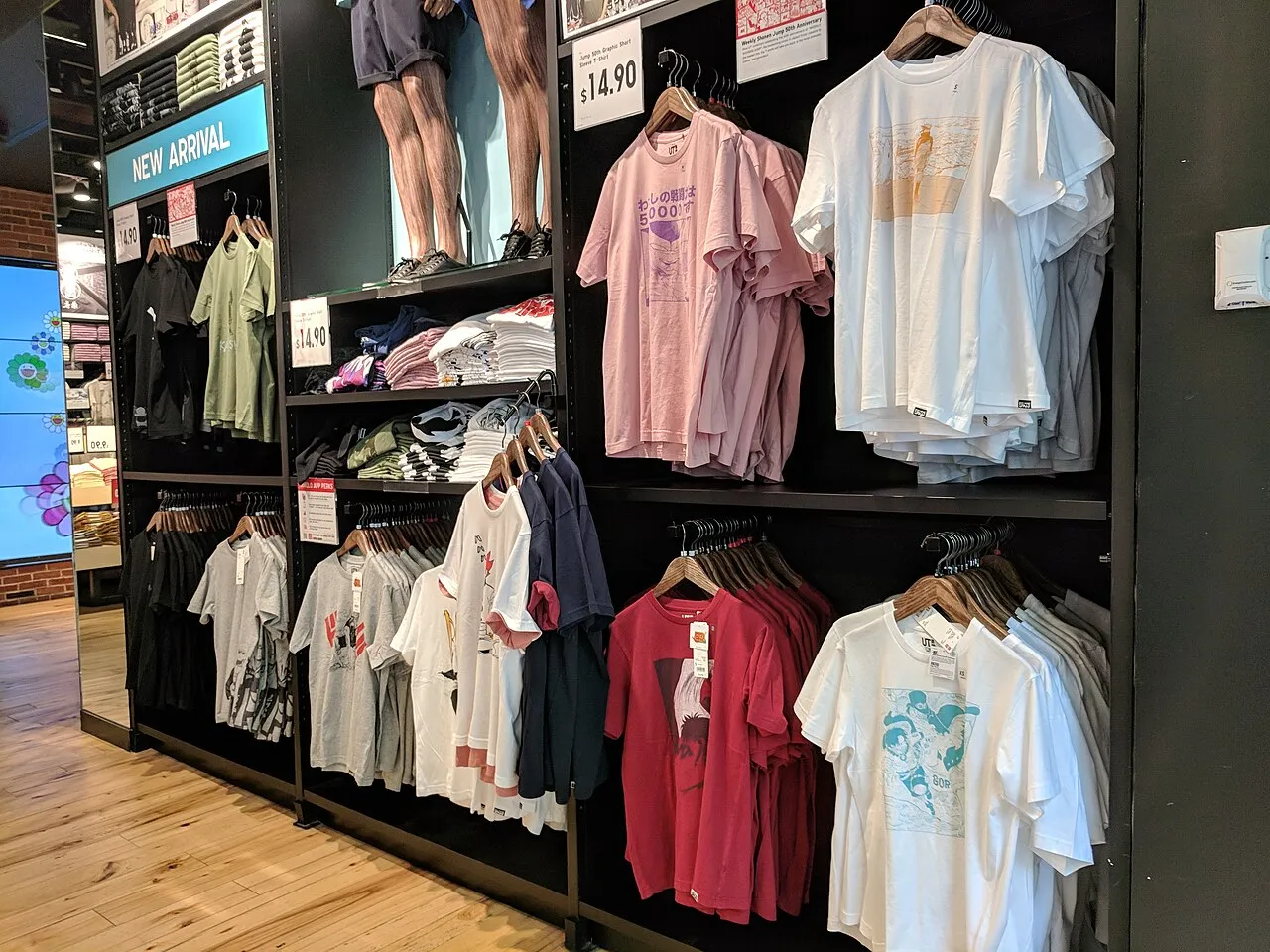
A J. sale is worth checking through the official country-specific website, the exact product page and the final checkout terms. A promotion does not automatically apply to every item, size or purchase channel. Before comparing discounts, confirm what is being sold, where the order will be placed and which conditions apply to that particular transaction.
This guide was reviewed on 6 November 2026 using J.'s official Pakistan website and published returns information. It does not invent a sale percentage, countdown, coupon or guaranteed stock level. It explains how to verify an offer and compare a purchase using clearly fictional examples, rather than presenting an old promotional image as today's confirmed campaign.
Where should a J. sale be verified?
Start by independently opening the official J. website for the intended country. The site provides country choices, and conditions can differ across markets. A search result or forwarded advertisement may point to a different country, an expired offer or a product whose selected size is no longer available.
Record the page, date checked, product and applicable condition before sharing an offer. If a campaign's end time is unclear, do not supply one from memory. A previous promotion with similar colours and wording does not establish the current campaign's dates or eligibility.
For a classroom exercise, create two fictional advertisements for the same brand with different dates and countries. Ask which fields a reader needs before comparing the prices. The exercise shows why a recognisable logo is not enough to prove that two offers refer to the same commercial arrangement.
Why does the exact product matter?
A stitched garment, unstitched fabric, fragrance and accessory are different product types. An image containing a complete outfit does not necessarily mean every pictured item is included. Read the product description and selected option rather than assuming that the styling photograph defines the whole purchase.
Use a fictional listing that includes a shirt while the photograph also shows trousers and an accessory. The title and description determine the stated contents. If those details are unclear, ask for clarification before ordering instead of treating the image as proof that all three items form one bundle.
This is a product-reading example, not a claim about a specific current J. listing. The transferable habit is to identify the item, quantity and included components before calculating the discount. A correct percentage cannot compensate for buying something different from what the shopper expected.
How should stitched and unstitched items be compared?
Stitched and unstitched products can involve different information. A stitched garment needs its applicable size and dimensions; an unstitched product needs its supplied fabric details and any separate tailoring considerations. The same word suit should not be assumed to describe an identical ready-to-wear purchase in every listing.
For a fictional comparison, one product includes a completed garment while another supplies fabric for later tailoring. Their listed prices do not describe the same total task. An educational worksheet can place the item contents and any explicitly assumed additional work on separate rows.
Do not invent a tailoring charge or promise that a certain fabric quantity will suit every design or person. Ask the relevant provider for the actual requirements. The purpose of the comparison is to expose missing information, not to replace product specifications or professional fitting advice with a universal rule.
What should a shopper check about size?
Use the size information provided for the selected product and market. A familiar size label does not guarantee the same dimensions across every style or manufacturer. Garment measurements and body measurements can also describe different things, so identify which the chart uses before comparing numbers.
For an offline exercise, draw a fictional size table with explicitly labelled dimensions. Ask a learner to compare like measurements and units. A centimetre value cannot be compared directly with an inch value without conversion, and a single chest measurement does not describe every aspect of a garment's fit.
This article does not recommend a personal size. If the listing is unclear, use official support to clarify it. The important point is to make the decision from the actual product information rather than assume an exchange will always be available if the original selection proves unsuitable.
How can a percentage discount be checked?
The discount percentage compares the reduction with the stated reference price. It is not a measurement of quality, suitability or affordability. A reliable comparison records both the reference and final amounts, along with the exact item and any condition attached to the offer.
Use an invented item reduced from four thousand rupees to three thousand. The reduction is one thousand, and dividing that by four thousand gives twenty-five percent. These are classroom figures, not a current J. offer or a claim that any particular item is available at that price.
Now compare another fictional item reduced from two thousand to one thousand. Its percentage reduction is larger, but its contents and usefulness may be different. A larger discount label alone cannot establish which purchase meets the shopper's needs. Compare the actual product before deciding that a percentage settles the question.
Why is the checkout total important?
The product-card price and the complete amount payable can answer different questions. Shipping or other applicable checkout components need to be read from the actual transaction. Do not assume that a remembered delivery charge or an old free-shipping condition applies to the current basket.
For an original worksheet, give two fictional items prices of three thousand and two thousand rupees. Their subtotal is five thousand. Add only a shipping amount explicitly supplied by the exercise, then show the resulting total. This teaches itemisation without inventing a current commercial charge.
Review the selected size, quantity and delivery details before confirming an order. A basket containing two units because of an accidental repeated click is different from a price increase. A careful final check can identify a simple selection error before a payment or support request becomes necessary.
What does the published return policy say?
The official Pakistan policy checked for this guide describes a three-day claim period from delivery for specified problems, with conditions concerning the product and its packaging. It also says exchanges during a sale or on a discounted product are limited to the situation where the received product does not match what was ordered.
Those conditions should be read in the full current policy before relying on a remedy. A general statement that every discounted item can be returned would overstate the page. International and customised-order sections have separate wording and should not be merged into the same promise.
This is a summary of the seller's published information, not an individual legal determination or a guarantee of an outcome. If a real order has a problem, contact official support promptly with the relevant facts and ask how the applicable policy will be handled for that case.
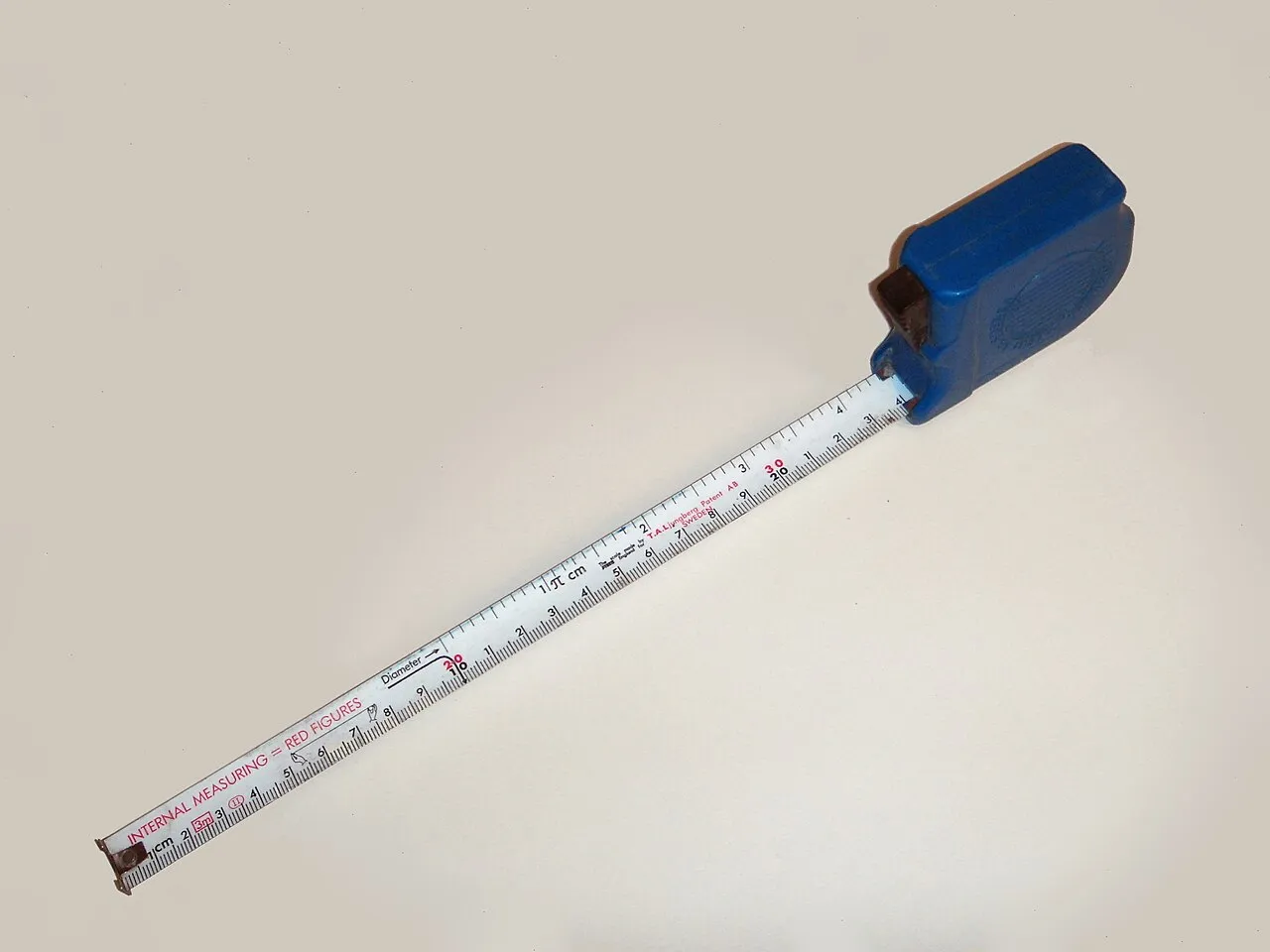
An illustrative tape measure for comparing measurement units; it is not a J. product or a current promotional item.
Is a return the same as a cash refund?
A return process, an exchange and store credit are different outcomes. Do not assume that one word establishes the others. The official policy's refund and voucher sections should be checked for the particular arrangement, rather than describing every approved complaint as money returned to the original payment method.
For a fictional exercise, compare an exchange for another item with a voucher that can be used later. These resolve a problem in different ways and can carry different conditions. A shopper who understands the distinction can ask a clearer question before accepting a proposed resolution.
Keep the seller's written response with the order record. An attempted support message and a completed remedy are not the same event. This guide cannot inspect an individual order or promise what support will decide; it explains which details make the question understandable and verifiable.
How should an order problem be documented?
Describe what was ordered, what was received, when it arrived and the specific mismatch or issue. Use the official support route and provide the information legitimately needed for the case. A clear description is more useful than a public accusation without the product or timing details required to investigate it.
Avoid placing private addresses, payment information or identity documents in public comments. Photographs used to show a product problem should be shared through an appropriate channel and should not expose unrelated personal information. Evidence and privacy can be preserved together.
Do not send a parcel to an address copied from an unverified message merely because it claims to be support. Confirm the current process through the official website. The correct route can depend on the situation, so an old blog's copied instructions should not replace the seller's applicable current guidance.
What can vouchers and promotional codes change?
A promotional code may have conditions about eligible items, use, market or transaction. Entering a code does not by itself prove that a discount has been applied. Check the basket and confirmation to see what the transaction actually records before completing payment.
For an invented example, a code applies to one eligible item but not another. The final reduction will differ from applying the same percentage to the whole basket. A classroom table can mark eligible and ineligible rows, then calculate the stated model accurately.
These examples do not announce a valid J. coupon. Use only current official offers and read their terms. An article should not manufacture a code to make a shopping guide look useful, and an expired code should not be presented as working because an older post once listed it.
Can sale images and countdowns be misleading?
A promotional image can continue circulating after an offer changes or ends. The upload date of a repost does not establish the campaign's current status. Check the official product and checkout information rather than assume that a familiar design supplies a reliable timestamp.
Website countdowns also need their actual context. A reader should not copy a timer into a permanent article as though its remaining duration will stay accurate. This guide therefore does not publish a guessed end date or a fixed countdown based on a momentary page display.
Historical or illustrative photographs of clothing and measuring tools can explain the shopping process without pretending to show a current J. collection. Their captions should make that limitation clear. A generic retail image is not evidence that the pictured garment is sold by the brand.
How can an unofficial payment request be checked?
Access the official website independently and compare the claimed payment route with the site's current guidance. A message displaying a copied logo is not proof that the sender represents the business. Be especially cautious about requests for passwords, one-time codes or payment details unrelated to the legitimate checkout process.
For a classroom exercise, create a fictional product page and a separate suspicious message asking for an account code to unlock a discount. Identify the unnecessary request without clicking live suspicious links or submitting real credentials. The aim is to practise source verification safely.
This is not an allegation against a particular seller or account. It is a general distinction between a genuine official channel and someone claiming to be one. A careful shopping article should help readers verify that boundary rather than create urgency to buy immediately.
A practical sale-comparison worksheet
Start with two fictional products and record type, contents, selected size, listed price and any explicit condition. Calculate the discount separately for each item. Then add the checkout components supplied by the exercise and compare the complete totals, not only the largest percentage on the product card.
Next, write the question a shopper would ask if the received item differed from the order. Include the order and delivery dates in the fictional record and identify the official policy section to check. This helps learners see why reading conditions before purchase is part of the comparison.
Our study resources support percentage practice, and programming courses can help students build a fictional basket calculator. The interface should display assumptions clearly and should not label invented prices or promotions as live offers from a real brand.
Questions readers commonly ask
Is a J. sale confirmed for every item by this guide?
No. Offers, eligible products and stock can change. Verify the exact item on the official country-specific site and read the current checkout terms. This article explains the verification process without inventing a universal discount or guaranteed availability.
Can every discounted item be exchanged just because the size feels unsuitable?
Do not assume that. The published policy has specific conditions and distinguishes sale-related situations. Read the current full wording and ask official support about the actual order. A broad promise in an unrelated post should not replace that check.
Are the example prices real offers?
No. They are clearly invented amounts used to explain percentages and basket totals. A useful educational guide can teach the calculation while keeping current commercial claims tied to verified official listings.
Sources
- J.: official Pakistan website and country selection
- J.: published returns, exchanges and voucher conditions
Image credits: cover: Kurt Kaiser, source, CC0. Resized and converted to WebP. inline: Boatbuilder, source, CC BY-SA 3.0. Resized and converted to WebP.
Found an error or an outdated detail? Report a correction with the article URL and original source.