
Khunjerab Snow: Cargo Stranded on KKH
Heavy snow stranded containers and passengers at Khunjerab Pass on 13-14 November 2026. See what happened, the road risks and travel advice.
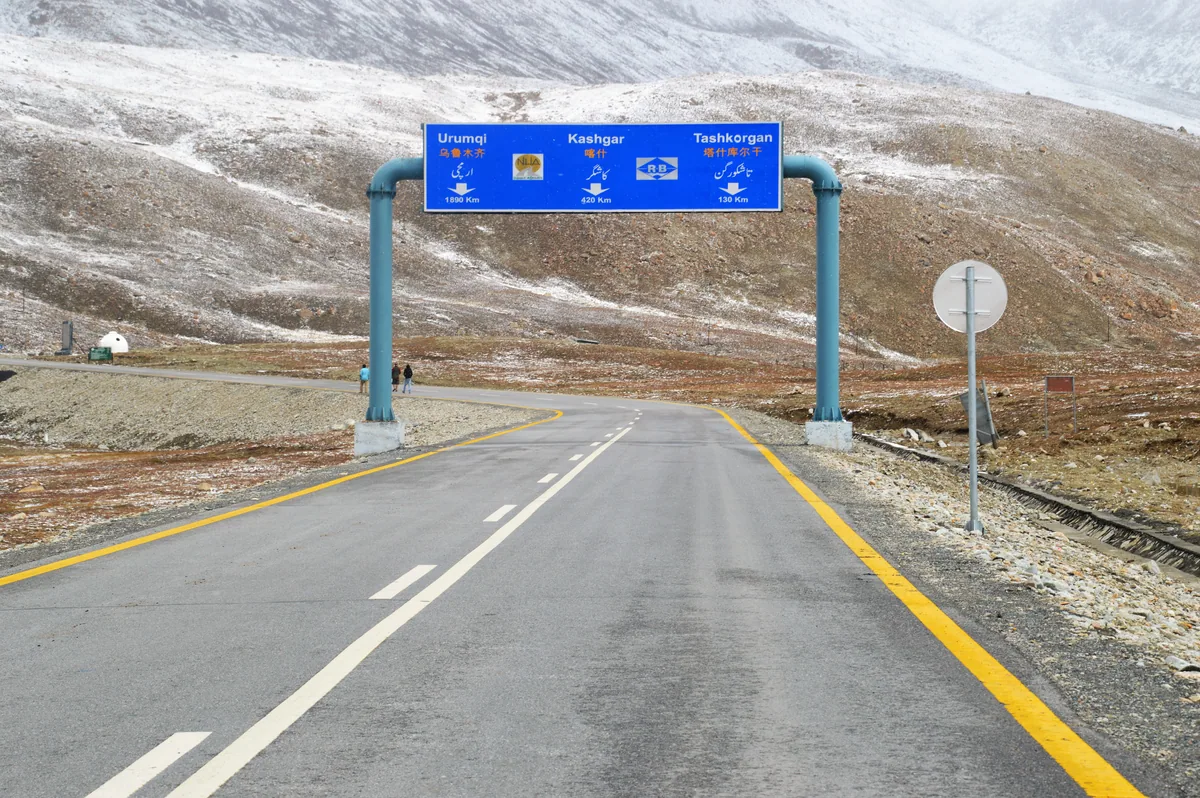
Heavy snowfall at Khunjerab Pass stranded passengers, tourists and dozens of cargo containers on the Karakoram Highway on 13 and 14 November 2026. Three containers skidded off the road and one Chinese container overturned, but the drivers were rescued. Gilgit-Baltistan's tourism minister was among those stuck at the border crossing.
Khunjerab snow: what happened
The snowfall began on Thursday night and continued through Friday. Gilgit-Baltistan police said snow was falling from Dhee headquarters to Khunjerab Top, and that accumulated snow had made the road hazardous. Dozens of containers carrying imported goods from China were stranded for hours. Several buses, cars and trucks were also stuck.
Three containers reportedly skidded off the Karakoram Highway after the road became slippery. The drivers were rescued. In one incident, a Chinese container overturned on the snow-covered road. Local travellers and personnel of the Khunjerab Security Police pulled the driver out, and he was unhurt.
Gilgit-Baltistan Minister for Tourism Naiknaam Karim was among the stranded passengers. In a video message, he said snowfall had also occurred on the Chinese side, but that the road there had been cleared for traffic. On the Pakistani side, he said, the road at Khunjerab Top was covered with about four inches of snow and ice, and several vehicles had skidded.
Karim criticised the lack of facilities and machinery to clear snow on the Pakistani side and appealed to the Frontier Works Organisation to deploy equipment immediately. Stranded passengers said the government and relevant organisations had not started clearing the road.
The police advised tourists and travellers to avoid unnecessary journeys and to stay away from Khunjerab until conditions improved. They also asked motorists to call the police helpline at 15 before setting out.
Where Khunjerab Pass sits
Khunjerab Pass is on the Pakistan-China border at an altitude of more than 15,000 feet, or roughly 4,600 metres. It is the highest paved international border crossing in the world. The road on the Pakistani side is the N-35, better known as the Karakoram Highway. It runs from Hasan Abdal near Islamabad through Gilgit and Hunza to the border, where it connects to China National Highway 314 and onward to Kashgar in Xinjiang.
The pass is the only modern road crossing between Pakistan and China. That makes it strategically important for trade, tourism and connectivity. Cargo from China enters Pakistan through the pass, and Pakistani exports travel the other way. The route is also a major attraction for domestic and foreign tourists who visit Hunza and the high Karakoram.
The nearest significant town on the Pakistani side is Sost, in upper Hunza. From Sost, the road climbs to the pass through a narrow, high-altitude valley with few settlements and limited roadside facilities. That geography is what makes a snow closure so disruptive: there is no easy alternative route, and help has to come from a long way away.
Why the route matters for trade
Khunjerab is not only a tourist road. It is a trade corridor. Containers carrying electronics, machinery, textiles and other goods move through the pass in both directions. The disruption stranded dozens of containers, and each day of closure adds cost for importers, exporters and transport operators.
The pass has operated year-round for trade since December 2024, when Pakistan and China adjusted the earlier seasonal schedule. That change was intended to keep cargo moving through the winter. The November 2026 snowfall shows the limit of that arrangement: the border may be administratively open, but the road can still close temporarily because of snow, ice or avalanches.
For traders, the practical effect is uncertainty. A container that is stuck at the pass misses its delivery window, and the delay can cascade through the supply chain. For consumers, the effect is less immediate but still real: delayed goods can mean higher prices or empty shelves, depending on the product.
The road-clearing problem
Karim's complaint was specific. He said the Chinese side had cleared its road, but the Pakistani side had not. That asymmetry is important because it suggests the problem was not only the weather. It was also the speed and capacity of the response.
Snow clearing on the Karakoram Highway is difficult. The road is high, narrow and exposed. Snow can accumulate quickly, and ice can make the surface impassable even after the snow is cleared. Heavy machinery has to be moved to the affected section, and the work has to be done safely while vehicles are waiting.
The Frontier Works Organisation is the agency responsible for much of the highway's maintenance and for clearing snow on the northern sections. The police and local administration coordinate with it during closures. In this case, the minister's public appeal suggests that coordination was not fast enough for the people stranded at the pass.
What travellers should know
The first rule is to check conditions before travelling. The police helpline at 15 is the most direct source of local road information. Tour operators and hotels in Hunza also track conditions, but their information may lag behind the police.
The second rule is to carry supplies. Khunjerab is remote, and a delay can last hours. Warm clothing, food, water and a charged phone are basic precautions. In winter, the temperature at the pass can fall well below freezing, and the risk of altitude sickness adds to the danger.
The third rule is to avoid unnecessary trips. The police explicitly advised travellers to stay away from Khunjerab until conditions improved. That advice applies especially to private cars without winter tyres or four-wheel drive.
The fourth rule is to respect the border schedule. Even when the road is open, immigration and customs posts have operating hours. A late arrival can mean waiting at the border, which is the last place anyone wants to be in bad weather.
Other roads in Gilgit-Baltistan
The snowfall was not the only road problem in the region. The Ghizer-Shandur Road was completely blocked to all types of traffic after a landslide at Hopper Pari following heavy rain on Thursday night. The Babusar Pass route, which links the Kaghan Valley with Chilas, had already been closed for the season, pushing more traffic onto the Karakoram Highway.
Those closures compound the pressure on the KKH. When one route closes, traffic shifts to another, and the remaining road carries more vehicles than usual. That makes any weather disruption on the KKH more serious, because there are fewer alternatives for passengers and goods.
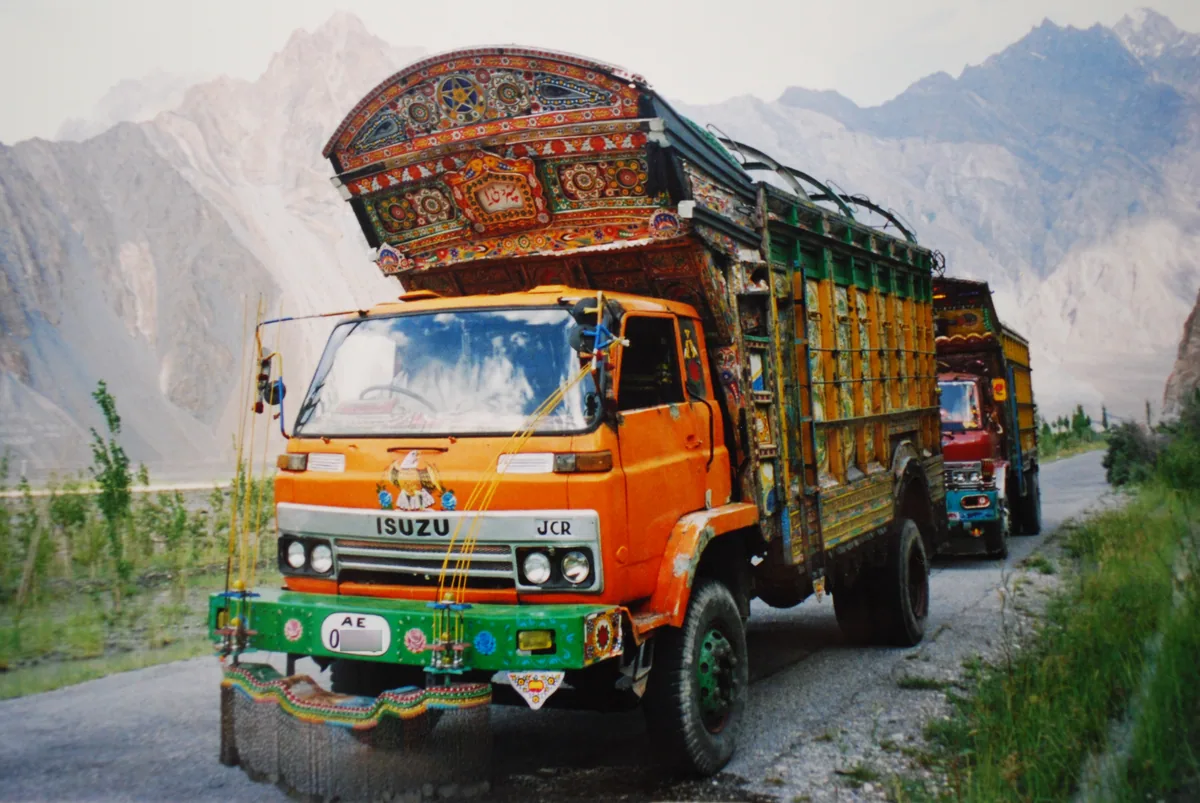
Archive photograph of a truck on the Karakoram Highway near Passu. It is not one of the containers stranded in November 2026.
Altitude and health risks
Khunjerab Top is above 4,600 metres. At that altitude, the air is thin and oxygen levels are lower than at sea level. Passengers stranded at the pass complained about the risk of oxygen shortage, according to Dawn. That is a serious concern for older travellers, people with heart or lung conditions, and anyone who has not acclimatised gradually.
Altitude sickness can develop within hours. Symptoms include headache, nausea, dizziness and shortness of breath. In severe cases it can progress to fluid in the lungs or swelling of the brain, which are medical emergencies. The safest response is to descend to a lower altitude, but that is not possible when the road is blocked.
Travellers heading to Khunjerab should therefore treat the journey as a high-altitude trip, not a simple drive. Spending a night in Hunza or Sost before attempting the pass helps with acclimatisation. Carrying oxygen, glucose and warm clothing is sensible. Anyone who feels unwell should not continue climbing.
How border traffic is normally managed
Traffic to Khunjerab passes through a series of checkpoints. Sost is the last significant town, and it is where many traders and passengers stop before the final climb. The road then runs through Dhee and up to the pass. Police and security personnel at these points are responsible for checking documents and, in bad weather, deciding whether to let vehicles proceed.
In practice, those decisions can vary. A checkpoint may allow vehicles through in the morning and close the road later in the day if conditions worsen. That is why travellers should not assume that an open road at Sost means an open road at the top. The safest approach is to ask at each checkpoint and to turn back if the advice is unclear.
Cargo has an additional layer of process. Containers must clear customs and border formalities, and the timing of those procedures can affect when a convoy moves. When snow delays the road, containers can be left waiting on both sides of the border, and the backlog takes time to clear even after the road reopens.
A practical checklist for the pass
Before setting out for Khunjerab, travellers should confirm the road status with the police helpline at 15. They should check the weather forecast for Hunza and the pass, not just for Gilgit. They should carry warm clothing, food, water, a power bank and any personal medication. They should tell someone where they are going and when they expect to return.
Drivers should check their vehicle before leaving. Winter tyres, chains, a full fuel tank and a working heater are essential in November. A four-wheel-drive vehicle is safer than a small car, but it does not remove the risk of ice.
Finally, travellers should be willing to abandon the plan. The pass is not a place to test a vehicle or a schedule. If the police advise against continuing, the correct decision is to turn back and try another day.
The seasonal context
November is a transition month in northern Pakistan. The autumn tourist season is ending, but winter has not fully set in. Valley floors can still be accessible while high passes experience sudden snow. That makes planning difficult: a route that is open in the morning can be closed by the afternoon.
The long-term trend is toward a longer trade season at Khunjerab, but the weather still controls access. The 2026 snowfall is a reminder that administrative decisions cannot remove the physical risks of a high mountain pass. They can only manage them.
What the incident says about preparedness
The most revealing detail is not the snowfall itself. It is the fact that a provincial minister was stranded alongside ordinary travellers and truck drivers. That suggests the warning and response system did not reach everyone in time, or that the road was allowed to fill with traffic even as conditions worsened.
Snow at Khunjerab in November is not unusual. What matters is whether the authorities close the road early enough, clear it quickly, and communicate clearly with drivers. The minister's appeal to the FWO indicates that at least one of those steps was missing.
The police did issue advice and a helpline number. That is useful, but it puts the burden on individual travellers to find the information. A more robust system would include checkpoints at Sost and Dhee, clear signage, and a coordinated decision on when to stop traffic.
Questions readers are asking
When did the Khunjerab snowfall happen?
Heavy snowfall and rain affected Gilgit-Baltistan on 13 and 14 November 2026. The road at Khunjerab Top was covered with about four inches of snow and ice, according to the provincial tourism minister.
Was anyone hurt?
No injuries were reported. Three containers skidded off the road, and one Chinese container overturned. The drivers were rescued, and the driver of the overturned container was unhurt.
Is the Karakoram Highway closed?
The main highway was reported open overall, but the section near Khunjerab Top was hazardous and traffic was disrupted. Travellers were advised to avoid the route until conditions improved. Conditions can change quickly, so check with local police before travelling.
Why is the pass important?
Khunjerab is the only modern road border crossing between Pakistan and China. It carries cargo, passengers and tourists between Gilgit-Baltistan and Xinjiang. It is also the highest paved international border crossing in the world.
Can tourists visit Khunjerab in November?
Tourist access is seasonal in practice, even though the border operates year-round for trade. November is a transition month, and sudden snow can close the road with little notice. Travellers should check conditions and be prepared to change plans.
What is the police helpline?
The Gilgit-Baltistan police helpline is 15. Motorists were advised to call it before setting out to get the latest road information.
What happened on the Ghizer-Shandur road?
The Ghizer-Shandur Road was completely blocked after a landslide at Hopper Pari following heavy rain on Thursday night. That closure added pressure to other routes in the region.
What to watch next
The immediate question is how quickly the road at Khunjerab Top can be cleared and whether traffic is allowed to resume safely. The FWO's response, and the provincial government's coordination with it, will determine how long the stranded containers remain stuck.
The second question is whether the incident leads to better planning for winter closures. Early warning, checkpoint controls and faster snow clearing would reduce the risk to drivers and the cost to traders.
The third question is the weather. More snow is possible in the coming days, and conditions at the pass can change quickly. Anyone planning to travel north should check the police helpline and local forecasts before leaving.
Sources
- Dawn, Snowfall strands passengers, cargo at Khunjerab, 14 November 2026
- The Thursday Times, Snowfall strands travellers, cargo at Khunjerab Pass, 14 November 2026
- The Daily CPEC, Khunjerab Snowfall Strands Passengers on Karakoram Highway, 14 November 2026
- The Traveler, Khunjerab Snowfall Brings Karakoram Highway to a Standstill, 14 November 2026
Sources checked on 15 November 2026. The incident details were checked against Dawn's report and cross-checked with regional coverage. Background on the pass, the highway and the trade schedule was checked against the same reports and public reference material. Image credits: cover photograph of the road to Khunjerab Pass by Muneeb Qazi, CC BY-SA 4.0, via Wikimedia Commons, resized and converted to WebP. Inline photograph of a truck on the Karakoram Highway near Passu by katorisi, CC BY-SA 3.0, via Wikimedia Commons, resized and converted to WebP. Both images are archive photographs and do not show the November 2026 snowfall.
Found an error or an outdated detail? Report a correction with the article URL and original source.