
KL Rahul: Batting Roles, Wicketkeeping and Scorecards
Learn how KL Rahul’s opening, middle-order and wicketkeeping roles differ, with worked scorecard examples and clear ODI, Test and T20 context.
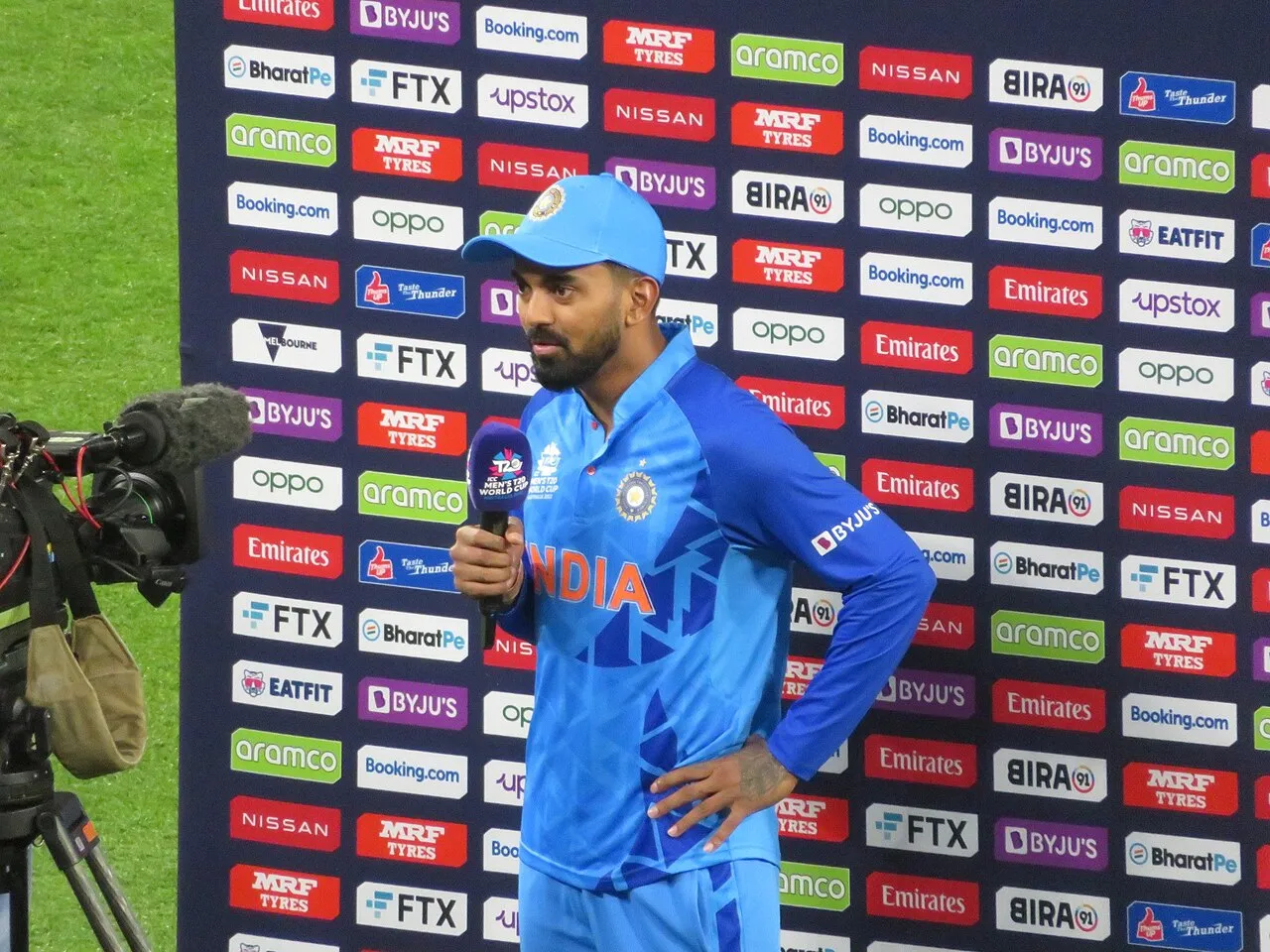
KL Rahul is an Indian right-handed wicketkeeper-batter whose career spans Test cricket, one-day internationals and T20 internationals. Understanding his contribution requires more than checking whether he scored quickly. His batting position, the match format, the state of the innings and any wicketkeeping duties all affect the job he is being asked to do.
This guide explains those differences through practical examples. It is a player and cricket-learning guide, not a live score service. For a match happening today, check the dated playing eleven and current scorecard. A career profile, a squad announcement and a completed innings are three different kinds of evidence.
Who is KL Rahul?
BCCI identifies KL Rahul as a right-handed wicketkeeper-batter, born on 18 April 1992. Its profile describes his Karnataka background, his first-class debut in 2010 and his entry into Test cricket on India's 2014–15 Australia tour. His ODI and T20I debuts followed in Zimbabwe in 2016.
Those details establish a career outline. They do not mean he keeps wicket in every match or bats at the same position in every format. A player can be selected principally as a batter while another teammate wears the gloves. Similarly, an opening role in one competition does not automatically establish the position he will occupy in another.
For readers searching the short name, KL Rahul and Lokesh Rahul refer to the same cricketer. Use the full player name together with India, the opposition and the match date when looking for an innings. This reduces the chance of mistaking an old highlight clip or franchise performance for a current international result.
Why his batting position matters
An opener begins against the new ball, often before the pitch and movement are fully understood. The first task is not simply to survive; it is to score while managing the risk created by that uncertainty. Good judgment includes knowing which deliveries can be left, defended or attacked without forcing a stroke.
A middle-order batter arrives with a different set of information. The ball may be older, the field may have spread and the required rate may already be high. That player has watched the opening overs but may have less time to settle. Entering after a collapse adds another responsibility: building a partnership without allowing the innings to stop progressing.
When assessing Rahul, identify the role before comparing the outcome. A score of 40 can be a useful opening contribution against difficult seam bowling, a recovery innings after early wickets or an insufficient contribution in a chase demanding rapid scoring. The number has not changed, but the problem the batter was solving has.
What does wicketkeeping add to the workload?
Wicketkeeping involves sustained concentration behind the stumps, repeated changes of body position and an expectation of quick reactions. The keeper also helps judge edges, line, bounce and the batter's movement. Those observations may inform the captain's decisions, but they do not make every appeal or review recommendation correct.
The workload is particularly visible in a long fielding innings. A wicketkeeper who later bats must shift from reacting to deliveries behind the stumps to making decisions in front of them. It is reasonable to discuss that physical and mental demand. It is not reasonable to assume, without evidence, that any dismissal was caused by fatigue.
When reading a team sheet, check who is actually designated to keep. When reading a scorecard, distinguish catches from stumpings and understand that not every catch belongs to the wicketkeeper. A player's career designation is useful background; the match record establishes what happened in the fixture you are analyzing.
How to judge an ODI innings fairly
Start with three questions: when did the batter arrive, what total was needed and how many wickets remained? Only then consider the final runs and balls. These questions help explain why an innings may begin cautiously and accelerate, or why an apparently respectable score leaves the team with too much to do.
Consider a fictional chase of 271 in fifty overs. The team is 80 for three after eighteen overs, leaving 191 from 192 legal deliveries. The required rate is just under six per over. A new batter can prioritize a steady partnership, but a long stretch of dot balls will push that requirement upward.
Suppose the partnership adds 70 in twelve overs. The score becomes 150 for three after thirty overs, with 121 required from twenty overs. The chase remains manageable. If the partnership instead adds 40, the requirement rises to 151 from twenty. Avoiding a wicket has value in both examples, but the slower partnership creates a significantly harder finish.
These are teaching examples, not attributed Rahul scorecards. Use them to understand the relationship between preservation and momentum. A batter is not choosing between being defensive and being aggressive in the abstract. The task is to find a rate of progress that makes sense for the target, conditions and batting resources.
Strike rotation is a measurable skill
Boundaries attract attention because they change the scoreboard quickly. Singles and twos can be equally important in preventing a bowler from settling into a repeated plan. A batter who finds a single from a difficult over may give the partner a better matchup and keep the required rate from drifting.
To examine rotation, separate scoring balls from boundary balls. A scorecard may show a good strike rate even when it comes from several boundaries surrounded by long periods without scoring. That approach may work, but it can carry a different risk from an innings that scores more regularly through gaps.
Watch the field, not just the bat. If a single is available behind square, the batter may need only a controlled deflection rather than a hard stroke. If a fielder has moved closer, the same attempt may no longer be safe. Good rotation depends on reading those changes and communicating quickly with the partner.
What changes in Test cricket?
Test batting gives more time but asks the player to maintain judgment across longer periods. The new ball, a second spell, a fresh session and an aging pitch can each change the contest. A technique that succeeds against one bowling plan must be adjusted when the opposition changes line, length or field placement.
Leaving the ball is an active decision. The batter must judge whether the delivery threatens the stumps and whether movement could change that assessment. Leaving well can frustrate a bowler into changing a disciplined line. Leaving poorly can produce an avoidable dismissal, so it should never be treated as an automatic sign of patience.
For a learner, compare two passages rather than two isolated shots. Watch how the batter responds after being beaten outside off stump. Does the next movement remain balanced, or does the player begin chasing wider deliveries? A good response to a difficult ball may be more revealing than the boundary that follows several overs later.

Chinnaswamy Stadium in Bengaluru, shown as cricket-ground context rather than a current match image.
T20 analysis needs a different time scale
T20 batting gives fewer deliveries in which to influence the innings. The cost of using several balls without scoring can become large, especially when the team has wickets available. A useful assessment examines boundary access, rotation, matchups and the ability to adjust when the initial scoring plan is blocked.
However, an expectation of fast scoring does not make every attempted six sensible. A batter may gain more from taking a single against a strong matchup and attacking the next bowler. The decision depends on who is at the other end, how many overs remain and which parts of the ground can be reached reliably.
Do not use a Test average to settle an argument about T20 effectiveness. Likewise, do not use one franchise innings to explain an entire international career. The formats overlap in basic skills, but the balance of risk and time is different. State the format clearly whenever you compare players.
Understanding average, strike rate and not-outs
Batting average is runs divided by dismissals. Strike rate is runs divided by balls faced, multiplied by one hundred. They measure different things. Neither formula includes the difficulty of the bowling, the target or the condition of the pitch, so neither should carry the whole argument.
| Hypothetical record | Calculation | Result |
|---|---|---|
| 300 runs with six dismissals | 300 divided by 6 | Average 50 |
| 45 runs from 50 balls | 45 divided by 50, multiplied by 100 | Strike rate 90 |
| 45 runs from 30 balls | 45 divided by 30, multiplied by 100 | Strike rate 150 |
The same 45 runs can therefore represent a very different tempo. Not-outs also affect average without automatically proving superiority. A finishing role can create more unbeaten innings than an opening role. When comparing records, inspect the number of innings, dismissals and opportunities rather than presenting the largest average as a complete verdict.
Career figures also change. This guide deliberately avoids presenting a scraped total as a permanently current record. Open the official statistics source and note when you checked it. If two profiles disagree, first check the format filters and update times before assuming one player has suddenly gained or lost runs.
A practical exercise for students of batting
Choose a legal replay of two consecutive overs and write down every delivery. Record line, length, shot choice and outcome. Then add a column for the match situation. This forces you to connect the technical decision with what the team actually needed.
For example, defending a good-length ball after two early wickets can be sensible. Playing the same defensive stroke to a comfortable scoring ball near the end of a difficult chase may deserve criticism. The movement can look similar while the value of the decision changes. Context is what distinguishes the two observations.
Finish by writing one specific improvement, such as looking for a single to a particular gap. Avoid vague instructions like play better or be more aggressive. Useful feedback describes an action that can be practiced, checked and adjusted. A young batter needs an achievable next step, not a label based on one mistake.
Questions readers often ask
Is KL Rahul always India's wicketkeeper?
No player profile guarantees a particular match role. Check the team sheet and scorecard to see who keeps wicket in that fixture. Rahul's wicketkeeping background is established, but selection combinations and responsibilities can change between formats and matches.
Is a slower innings automatically a bad innings?
No. Judge the conditions, entry point and target. A recovery can be valuable, but it must eventually help the team reach a competitive total or complete a chase. Being unbeaten or batting for a long time is not sufficient evidence on its own.
Can a player be good at both opening and finishing?
Yes, but they are different jobs. Opening emphasizes the new-ball challenge; finishing often demands quick assessment of a target and immediate scoring options. A versatile player still needs to demonstrate effectiveness in each role rather than receiving credit simply for being assigned to it.
Where should I check a current innings?
Use the official match centre or a reliable dated scorecard, then confirm the match format and status. A search result can display an older innings because the player's name is trending. Look for the opponent and date before sharing numbers as today's performance.
A quick scorecard challenge
Imagine a batter finishes 50 not out from 40 balls. The strike rate is 125, but the not-out does not tell you whether the team won. Before calling it a successful chase, check the target, completed overs and team result. Before comparing it with a Test fifty, establish the format. This short exercise shows how a perfectly correct statistic can support an incomplete argument when the surrounding information is missing.
Further reading
Read our India–New Zealand scorecard context for the wider matchup, and our middle-order batting guide for another view of partnership building. These pages explain their own dated contexts and should not be mistaken for a continuously updating live score.
The strongest way to understand Rahul is to connect technique with responsibility. Establish the role, observe the decisions and then use the numbers to test the explanation. That approach gives the reader a more useful understanding of cricket than judging an entire player through a single highlight or a disappointing dismissal.
Sources
Image credits: cover: Storm machine, source, CC BY-SA 4.0. Resized and converted to WebP. inline: Roving-Aye!, source, CC BY-SA 2.0. Resized and converted to WebP.
Found an error or an outdated detail? Report a correction with the article URL and original source.