
Maliha Ali Reaches IMMAF World Final: Tbilisi 2026 and the Result to Check
Follow Maliha Ali’s reported IMMAF final appearance in Tbilisi, distinguish finalist from champion, and understand brackets, divisions and scoring.
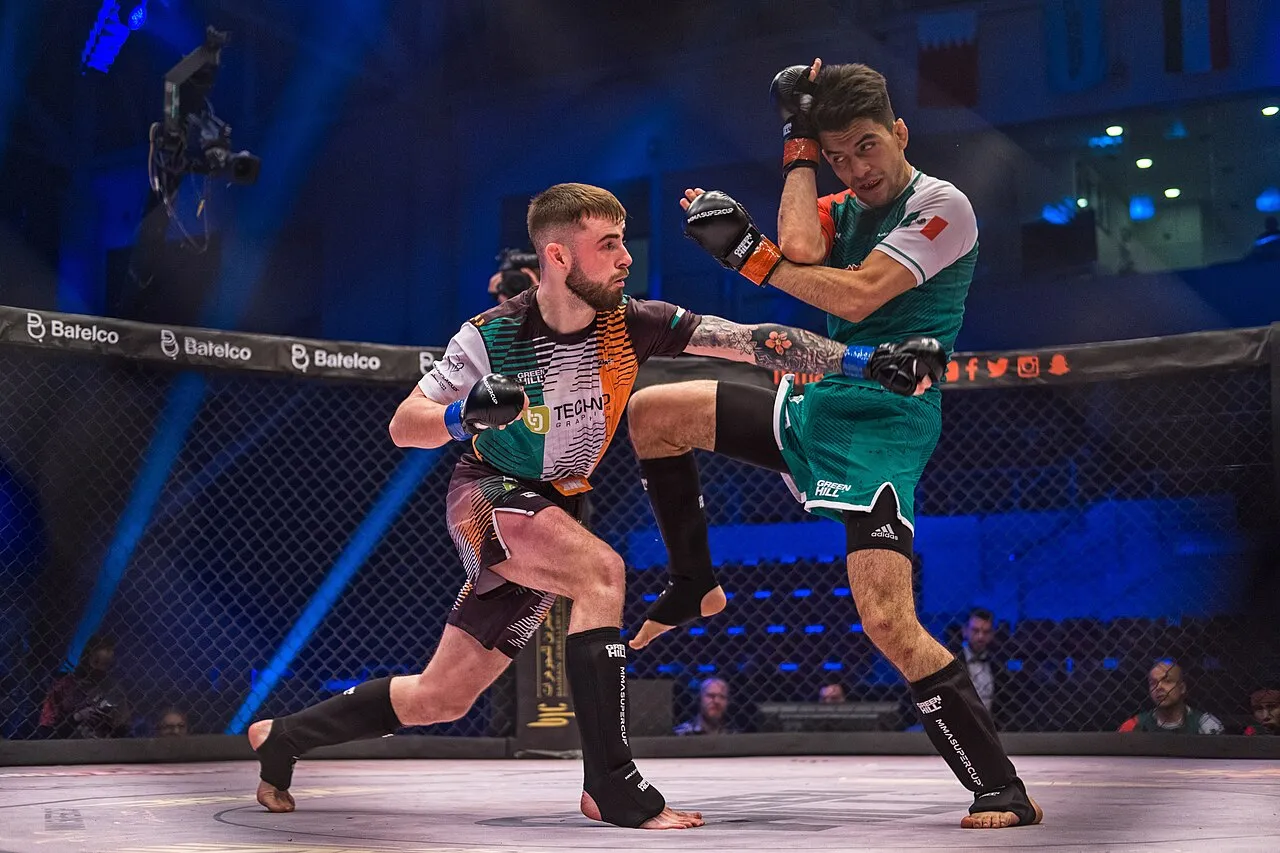
Pakistan's Maliha Ali reached the IMMAF World Championship final, according to reporting published on 6 November 2026. The competition is taking place in Tbilisi, Georgia. Reaching a final is an important achievement, but it is not the same as winning that final; this article does not announce a world gold medal.
For readers discovering her through a short video or a trending name, the useful starting point is a clear distinction between the athlete, the tournament and the stage reached. From there, this guide explains the bracket, amateur competition, scoring and the care needed when sharing a developing sporting achievement.
What is confirmed about Maliha Ali's tournament progress?
The Nation's 6 November report describes Maliha reaching the final. Earlier reporting identified a win over Veronika Drozdova. IMMAF's own event coverage confirms Tbilisi as the host and a 1-7 November championship programme. The final result must be checked separately when the relevant bout has taken place and an official record is available.
| Item | Scope of this report |
|---|---|
| Athlete | Maliha Ali of Pakistan |
| Competition | 2026 IMMAF World Championships |
| Host | Tbilisi, Georgia |
| Event dates | 1-7 November 2026 |
| Development reported on 6 November | Reached the final |
| Gold-medal result | Not established by a report of reaching the final |
This distinction prevents a common reporting error. A celebratory headline can describe a historic appearance without claiming a completed title. Readers should look for the opponent, division and result attached to the final itself before sharing a medal colour as settled information.
Maliha Ali and Manisha Ali are different athletes
Team coverage also includes the name Manisha Ali. Similar names and a shared national delegation do not make their results interchangeable. When a report concerns Maliha, do not attach an opponent, weight category or photograph belonging to Manisha merely because both appear in stories about Pakistan's team.
A useful identification check has four fields: full athlete name, country, division and opponent. If one field does not match, pause before combining the records. A video title may omit a division, while a photograph caption may be more precise. The complete tournament entry is preferable to an assumption based on a familiar surname.
This is not a minor spelling issue. Giving one athlete another's result obscures both people's work. Students preparing a sports notice can avoid the mistake by making a separate note for each competitor and attaching every score or bracket update to the correct name before writing the headline.
How a knockout bracket works
A knockout bracket advances the winner of a contest into a later round. The round names describe the number of competitors remaining in that part of the draw. A quarter-final precedes a semi-final, and a semi-final precedes the final. Winning at one stage does not itself settle the next stage.
Consider a fictional eight-person bracket. Four first-round winners advance, two then reach the final, and one wins it. A finalist has successfully progressed through earlier contests, but the title remains undecided until the final result. This simple structure explains why finalist and champion must be kept separate even in enthusiastic coverage.
Real brackets can include byes, withdrawals or different starting field sizes. Therefore, do not infer the exact number of victories an athlete has recorded solely from the word finalist. Read the individual bracket entries. The stage reached tells you where an athlete stands; the route through that stage requires a fuller record.
Why senior and junior schedules need careful reading
IMMAF's event announcement separates junior finals on 6 November from senior finals on 7 November. That schedule is an event-level guide. Before assigning a time to a specific athlete, the reader must match the athlete's division and the latest bout order. A general finals date is not a personalised schedule.
The local timezone also matters. A time listed for Georgia should not be repeated as Pakistan time without conversion and a clear label. Schedules may be updated, and bout order can affect when an individual contest begins. This article does not invent a precise Maliha start time from the general programme.
For a student following the event, save the official schedule and then locate the athlete's actual entry. Record the last-checked time beside the information. That approach is more dependable than promising friends a start based on an unlabelled image shared hours earlier in a group chat.
What does amateur MMA mean here?
IMMAF describes its championship competition as amateur and publishes eligibility requirements. Amateur is a competition classification, not a suggestion that the athletes are untrained or that the tournament lacks serious preparation. The distinction concerns the competition framework and eligibility, which should be read from the organiser's current policies.
Do not import every rule from a professional promotion into this event. Different organisations and age divisions can use different permitted techniques, equipment requirements and procedures. Someone familiar with a televised professional contest may recognise the sport while still needing to check the applicable amateur rules before explaining a disputed moment.
The educational focus here is understanding a regulated sporting contest. It is not instruction for attempting combat techniques at home. A viewer can learn how brackets and results work without copying physical actions. Training and participation belong in an appropriate supervised sporting environment with the relevant safeguards.
How to read a result without inventing the action
A result record can identify the winner, method, round and time where those fields are supplied. It does not necessarily describe the full exchange that led to the finish. If a short report gives only the winner, adding a detailed account of a submission or strike would be speculation.
For a fictional example, a record saying Athlete A won by decision supports a decision result. It does not establish that A dominated every moment or won every judge's round. Likewise, the word stoppage does not automatically identify a particular injury. Use the precise published method and avoid dramatic medical or technical assumptions.
This matters when clips circulate without the beginning or end of a contest. A short sequence can show an action accurately while omitting what happened before the official result. Check the complete bout identification before treating a viral segment as an explanation of the whole contest or the athlete's entire tournament.
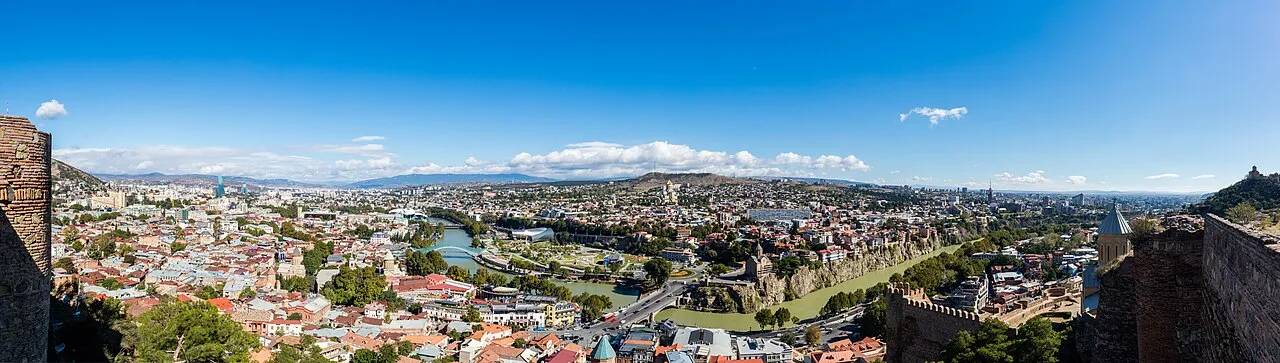
A historical panorama of Tbilisi, Georgia, the host city of the 2026 IMMAF World Championships; this is not a photograph of the competition.
A beginner's guide to judging language
The IMMAF rules material discusses effective striking and grappling within its judging framework. A spectator should distinguish those criteria from simply noticing who moves forward most often. Visible activity and scoring effectiveness are not automatically identical. The applicable rules and actual judges' records are necessary when assessing a decision.
A familiar scoring notation can also mislead. A round score is not a count of punches or takedowns. It expresses the judge's assessment under the scoring system. Treating a 10-9 entry as ten successful actions against nine is a category error, much like treating a cricket ranking as a wicket total.
For an educational exercise, ask students to explain what a score label measures before discussing whether they agree with it. That encourages understanding rather than instant certainty. Without the full contest and official scorecards, an article should not declare a judge corrupt or an outcome invalid on the basis of a brief clip.
What reaching a world final can mean for a sports pathway
A final appearance creates a visible milestone for the athlete and offers younger participants an example of progression through organised competition. It can prompt useful questions about local clubs, qualified coaching and recognised national federations. Those practical pathways are more constructive than suggesting that a single viral moment makes sporting development effortless.
Do not turn that observation into an unverified promise about funding, sponsorship or selection. A tournament result does not itself announce a scholarship or a professional contract. If such an opportunity is later confirmed, it deserves a separate report identifying the organisation, terms and date rather than an assumption in a celebratory profile.
For families interested in sport, begin with the organisation's safeguarding and participation information. Understand what support and supervision are provided, and keep personal information out of public fan discussions. Admiration for an athlete should not require sharing a child's contact details or responding to an unverified recruiter in a comment thread.
How to celebrate without turning uncertainty into a claim
Use language that matches the record: reached the final, advanced to the semi-final, or won the named bout. Those phrases can communicate achievement clearly without borrowing a title that has not been decided. A truthful celebration does not need a guessed medal colour to be meaningful.
Avoid adding unsupported first-ever claims. Establishing a national or historical first requires a defined category and a reliable historical record. First finalist in a particular division is different from first national medal in any division. If a source uses a broad superlative without supplying its scope, report the concrete achievement instead.
The same care applies to personal background. Public reporting can identify a home region, but an article does not need private addresses, relatives' contact information or speculation about family circumstances. Sporting coverage should make the achievement understandable while leaving unnecessary personal details out of the story.
Photographs should support the story honestly
A historical IMMAF venue photograph can introduce the tournament setting without depicting this year's event. A city image can help readers place Tbilisi geographically. Neither should be labelled as Maliha's final or used to imply that the photographer witnessed a contest that the image does not show.
Captions therefore matter as much as image choice. Name a different event or year when known, and use illustrative wording where appropriate. A visually convincing picture can spread a false claim faster than a paragraph of text. Correct labelling lets the page look complete without manufacturing photographic evidence.
Readers sharing the article should keep those captions attached. Cropping away the date or illustration note can change what a picture appears to prove. If the image is not the athlete, do not describe it as her. This simple discipline protects the competitor's identity as well as the accuracy of the news.
Follow the final with a short evidence checklist
Before reporting a completed final, check the athlete name, opponent, division, contest date, method and result. If a federation announcement and a news report differ, identify what each actually says. A schedule is evidence of a planned contest; a bracket update or official result is evidence of an outcome.
Keep the source time with your notes. A live tournament page can change, so a screenshot without a time can leave later readers unsure whether it preceded or followed the bout. Do not label a page stale merely because an earlier article has not yet incorporated a newer result. Explain the sequence of updates.
This method is useful beyond MMA. It applies to examination notices, football fixtures and election reporting: a planned event, a developing event and a completed outcome are distinct stages. Clear stages help readers understand what is known now and what still needs confirmation.
Questions about Maliha Ali's IMMAF campaign
Has this article confirmed a gold medal?
No. The development covered here is a reported place in the final. A gold-medal statement requires the final result. The distinction remains important even when social posts use celebratory imagery or the phrase world championship beside the athlete's name.
Is every online clip from the current tournament?
Not necessarily. Check the opponent, division, event and date. An older contest can be shared during a new campaign without becoming a current result. A clip's upload date also does not automatically establish the date on which the recorded bout took place.
Where should a new viewer begin?
Begin with the organiser's event page and the published result, then use a reliable report for additional context. Learn the bracket and the applicable scoring terms before judging a decision. This gives a clearer understanding of the achievement than relying on a montage or an unsupported medal caption.
Browse other explainers and class learning resources for more practice with evidence and structured records. The immediate story is worth recognising accurately: Pakistan's Maliha Ali has been reported into the final in Tbilisi, with the final outcome requiring its own confirmed result.
Sources
- Source: IMMAF championship programme
- Source: The Nation, final appearance report
- Source: IMMAF amateur eligibility
- Source: IMMAF competition rules overview
- Source: IMMAF judging rules document
Image credits: cover: Haribhagirath, source, CC BY 4.0. Resized and converted to WebP. inline: Diego Delso, source, CC BY-SA 4.0. Resized and converted to WebP.
Found an error or an outdated detail? Report a correction with the article URL and original source.