
Mark McGuinn Remembered: Mrs. Steven Rudy and His Country-Music Legacy
Remember Mark McGuinn’s songwriting and Mrs. Steven Rudy, distinguish his October death date from later reports and learn to read music-chart context.
Mark McGuinn remembered: the songwriter behind Mrs. Steven Rudy
Country singer-songwriter Mark McGuinn died on 26 October 2026 at the age of 58, according to his published obituary and Country Aircheck's November remembrance. The news attracting searches in November should not be described as a death that occurred on 12 November. Publication, announcement and event dates can differ.
McGuinn is particularly associated with his 2001 breakthrough, Mrs. Steven Rudy. The recording provides a useful starting point for listeners discovering his work: a clearly identified song, a documented period and a professional contribution that can be explored without inventing private details.
This remembrance focuses on music, credits and the difference between several kinds of chart information. It does not speculate about a cause of death or reproduce private family arrangements. A career can be appreciated through the public record without turning an obituary into a collection of unsupported personal claims.
The dates and professional context
| Item | Context used in this guide |
|---|---|
| Artist | Mark McGuinn |
| Principal association | Country singing and songwriting |
| Breakthrough recording | Mrs. Steven Rudy |
| Breakthrough period | 2001 |
| Date of death in the reviewed records | 26 October 2026 |
| Age stated in the remembrance | 58 |
Country Aircheck identifies the record as a Top 10 hit on VFR Records. Contemporary Billboard coverage describes its independent-label context and chart development. Those sources help separate the actual recording history from an automatically refreshed celebrity biography page.
The public obituary was published before this November 12 guide. Any memorial arrangements described there belong to their stated dates; this article does not advertise an earlier service as an upcoming event. Readers should consult the original notice if they need its exact wording.
Why the song is a useful first listen
A breakthrough record can introduce a listener to an artist's phrasing, narrative voice and way of structuring a song. It should not be treated as the entirety of a career, but it gives a new audience a concrete place to begin rather than an unverified list of supposed greatest hits.
Start with an authorised release and read the accompanying credits. Identify the performer and any named writers. A familiar voice, a music-video appearance and a songwriting credit are related forms of participation, but they do not necessarily belong to the same person in every recording.
On the first listen, notice the broad movement of the song. On another, pay attention to the way the vocal phrases fit the accompaniment. You do not need specialist terminology to describe whether a line feels conversational, whether a repeated phrase returns or whether the texture changes.
Avoid treating a narrator as an autobiographical confession. A song can tell a story through an invented speaker. Unless an identified source establishes a personal connection, the character's situation should remain part of the work rather than being transferred to the singer's private life.
A country song can work as a short narrative
Narrative songs often need to establish a speaker, a situation and a change within a short running time. Details can do several jobs at once: locating a scene, creating humour or directing attention toward a conflict. The listener supplies connections, but those connections should not be mistaken for facts outside the song.
For a classroom exercise, choose a song you are entitled to discuss and summarise its situation in one sentence without quoting lyrics. Then identify what changes between the beginning and the ending. This makes the structure easier to see without reproducing the complete text.
Next, distinguish the speaker's knowledge from the listener's interpretation. A narrator may misunderstand another character or describe events selectively. The possibility of an unreliable or limited viewpoint is one reason that a song should not always be read as a straightforward statement from the artist.
This approach is useful when returning to McGuinn's best-known recording. It directs attention toward storytelling and delivery while leaving the actual words and performance to the authorised recording. A remembrance becomes more valuable when it encourages listening rather than merely repeating a title.
Chart positions need a chart name and a date
A sales chart, an airplay chart and a general popularity chart can describe different activity. A recording's position on one does not automatically establish the same position on another. When a profile says a record topped a chart, the next question should be which chart and during what period.
Contemporary coverage of Mrs. Steven Rudy discussed both country radio activity and country-single sales. Those references should not be compressed into a claim that it reached number one on every country chart. A specific description preserves the achievement more accurately than an inflated generalisation.
An individual weekly position also differs from an eventual peak. A report written while a song was climbing can correctly give a lower position than a later career summary. The two accounts need not contradict one another if they describe different weeks.
For students, make a small table with recording, chart, week and position. Keep the source beside each entry. That simple arrangement prevents a column of numbers from losing the meaning needed to interpret it. A rank without its chart and date is incomplete information.
What the independent-label context adds
The reviewed trade coverage places the breakthrough with VFR Records. That is a concrete part of the release history. It can invite discussion about how recordings reach radio and listeners without requiring an invented account of every commercial decision behind the release.
A record's path can involve distribution, promotion, programming and audience response. Those are different activities. Being released, receiving airplay and selling copies are connected, but one does not automatically establish the scale of the others.
Do not convert a story about chart success into a guessed financial statement. Sales, royalties, contractual terms and personal income are not interchangeable. A public chart entry cannot establish an artist's net worth or the amount received from a particular recording.
The useful lesson is about categories. Ask what a source actually measures before drawing a conclusion. A music-business article becomes clearer when it explains the difference between a creative credit, a release credit and a commercial indicator instead of using all three as vague evidence of fame.

Guitar fretboard close-up, illustrating musical craft rather than a personal possession of the artist.
Listen for the relationship between voice and accompaniment
A vocal line can feel conversational while still being carefully placed within a musical pattern. Notice where the singer enters, which words receive emphasis and where space is left. Those choices can shape a listener's attention even when the overall arrangement sounds relaxed.
Then follow one accompanying layer. It may be easier to hear a rhythmic pattern after you have stopped trying to attend to every sound at once. Describe what you hear before assigning an instrument name you are unsure about. An accurate ordinary-language observation is better than an invented technical label.
As an original practice task, write a short sentence and speak it against a steady beat. Change which word falls on the strongest beat. The words remain the same, but their emphasis changes. This demonstrates a relationship between rhythm and delivery without copying a protected melody or imitating McGuinn's voice.
The exercise is not a reconstruction of his studio process. It is a way to make a listening question tangible. A professional recording contains more decisions than such a simple task can represent, but the task can help a new listener notice those decisions more carefully.
Distinguish an original recording from another version
An official audio release, a music video and a live performance may differ in length and presentation. Before comparing them, identify the format and source. A promotional edit is not automatically an incomplete or faulty copy of a longer version when its purpose is different.
A cover performance introduces another distinction. The song may be associated with McGuinn while the current voice belongs to another performer. Read the billing before attributing a vocal choice to the wrong person. Familiar titles can travel across many recordings.
Similarly, an upload date does not establish the date the recording was made. An older performance can be newly uploaded or redistributed. Keep the recording's historical context separate from the platform's current timestamp.
When recommending a version to a friend, identify what you are linking. A short description such as an authorised original recording or a clearly credited live performance saves the listener from guessing which contribution the recommendation concerns.
A respectful remembrance does not need speculation
An obituary establishes certain publicly released information. It does not give a writer permission to infer a medical history, private conversation or future intention. If a cause of death is not established by the sources used here, the appropriate response is to leave that field unresolved.
The same applies to family information. A professional remembrance can acknowledge loss without republishing every private name or address in a notice. The purpose of this guide is to make the public work easier to understand, not to create a searchable directory of personal details.
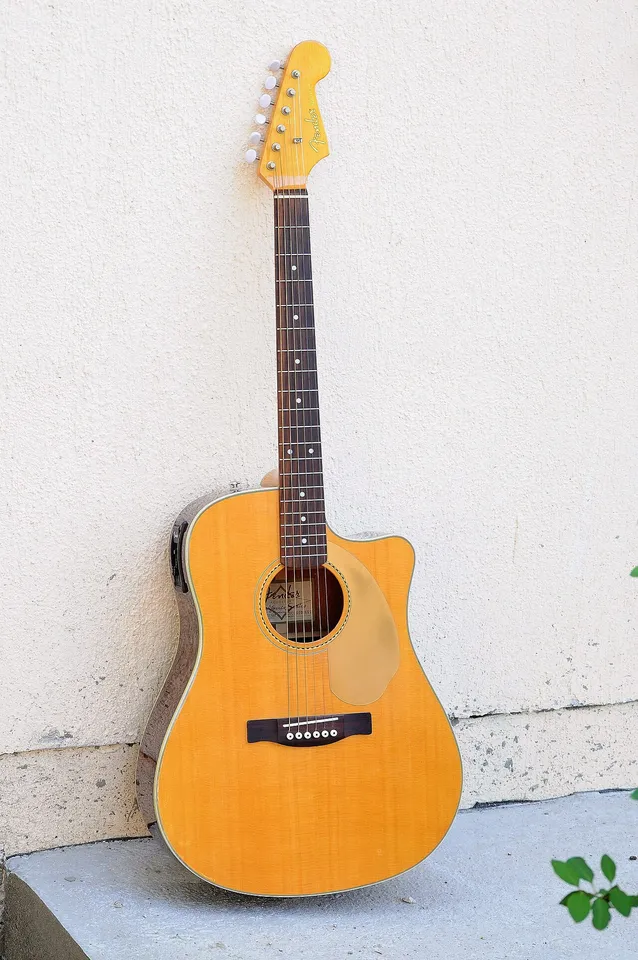
Archive images should be captioned honestly. A guitar or recording-related photograph can illustrate the musical context without being labelled as McGuinn's instrument or studio. A picture of another performer should never be presented as his portrait because a suitable image was difficult to locate.
If a detail is corrected, make the correction precise. Changing a date or chart description does not require an invented explanation of why someone made the original error. A clear correction keeps attention on the supported record and allows readers to update their understanding.
Questions new listeners may ask
Did Mark McGuinn die on November 12?
No. The reviewed obituary and trade remembrance identify 26 October 2026. November publication and search interest should not be confused with the event date. Keeping both dates visible prevents a later article from unintentionally creating a different chronology.
What is a sensible starting point for his music?
Mrs. Steven Rudy is a documented breakthrough recording from 2001. Begin with an authorised version and its credits, then explore other clearly identified releases. This guide does not claim that one title represents every aspect of his songwriting or performance.
Does a chart position establish how much an artist earned?
No. A chart describes the activity measured by that particular chart. It is not an audited account of personal income or contractual terms. Commercial claims need their own evidence rather than being inferred from a successful single.
Carry the remembrance into attentive listening
A useful tribute can leave a listener with more than a date. It can identify the work, explain its documented context and offer a practical way to hear it more closely. That is a fitting approach for a singer-songwriter whose best-known record continues to introduce people to his music.
For other music and learning profiles, visit the RayTech article collection. Keep the source of the announcement separate from the source of the recording history, and let the authorised music provide the experience that a written summary cannot replace.
A listening journal can separate observation from preference
Make three short entries after hearing an authorised recording. First, identify a feature you can point to: a repeated phrase, a change in texture or a moment of silence. Second, describe its effect on your attention. Third, state whether you liked the effect. Those entries are related, but they are not identical.
Two listeners can agree that a phrase repeats while disagreeing about whether the repetition is satisfying. That difference does not require either person to invent a factual dispute. It is a useful example of how observation and preference can coexist in a discussion of art.
On another listen, check whether your first description still fits. Memory can simplify a recording, especially when one hook is particularly memorable. Revising the description after listening again improves the journal rather than diminishing the value of the first response.
Keep the recording title and version with the entry. A live performance, an edit and the original release may create different impressions. Without the version, a later comparison can become confusing even when both listeners accurately describe what they heard.
This small task gives a remembrance an active outcome. Instead of simply collecting another biography, the reader develops a repeatable way to attend to the work and explain a response with care.
Sources
- Source: Published obituary carried by Greensboro News & Record and Legacy
- Source: Country Aircheck remembrance
- Source: Contemporary Billboard music-business coverage
- Source: Contemporary Billboard release and recording context
Image credits: cover: Unknown author Unknown author, source, CC0. Resized and converted to WebP. inline: Dmbruley at en.wikipedia, source, Public domain. Resized and converted to WebP.
Found an error or an outdated detail? Report a correction with the article URL and original source.