
Mitchell Santner: Spin, Captaincy and Match Context
Explore Mitchell Santner’s cricket through spin-bowling decisions, field settings and captaincy context, with a practical match-analysis checklist.
Check the source, publication date and examination session before relying on it.
Mitchell Santner's New Zealand Cricket archive and dated squad announcements provide starting points for studying his role. Bowling and captaincy involve related but different decisions. A captain can influence a match through field placement and bowling changes even when their own figures do not tell the whole story.
Watch the plan around the delivery
For a spinner, line and length interact with the field. Boundary protection can invite a single while discouraging a high-risk shot. A close catcher may show an attacking intention. Look at the batter's strengths, the required run rate and the stage of the innings before deciding what the bowler was trying to achieve.
Economy rate is useful, but it is not a complete measure of pressure. Dot balls, changes of pace and the difficulty of scoring in a particular area can influence the next shot. A wicket at the other end may be partly shaped by pressure built earlier.
Captaincy needs context
A bowling change should be judged against the options available at the time. Workload, remaining overs and a batter's handedness can all matter. An expensive over does not by itself prove that the decision was unreasonable, just as a fortunate wicket does not make every plan correct.
Avoid assuming that a past captaincy announcement applies to every future format or squad. The linked ICC release concerns a particular tour arrangement. Selection and leadership responsibilities can change.
Separate statistics by format
Test, ODI and T20I records answer different questions. A long defensive spell in a Test cannot be judged against a short white-ball role without explaining the differences. Record the date of any career average or ranking you cite, and do not use an old cached figure as a live update.
Try a field-setting exercise
Pause an authorised match recording before a delivery. Sketch the visible field, predict the intended scoring restriction and then watch the outcome. Write what you observed separately from what you inferred. This is more instructive than judging captaincy only after the result. Our cricket guide explains the scorecard context.
Sources and image credit
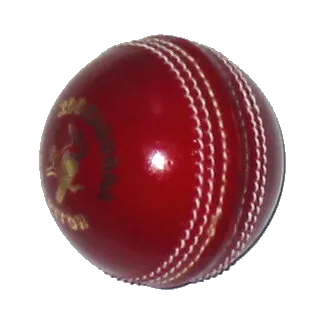
Image: Stephen Turner, based on Albinomonkey; Commons upload Spundun, Public domain. Cricket ball illustration; not a match photograph. Resized to fit within 1280 × 960 pixels without cropping; converted to WebP. No endorsement implied.
Need Direct Access to this Notification?
Check the original source for the latest instructions and any corrections.
Result dates, fees and eligibility must be checked against the board's current notice. Report a correction with the article URL and original source.