
Moammar Rana: Films, Interviews and the Craft of Screen Acting
Explore Moammar Rana’s film work through dated interviews, with practical activities on performance, character, editing and reading screen credits.
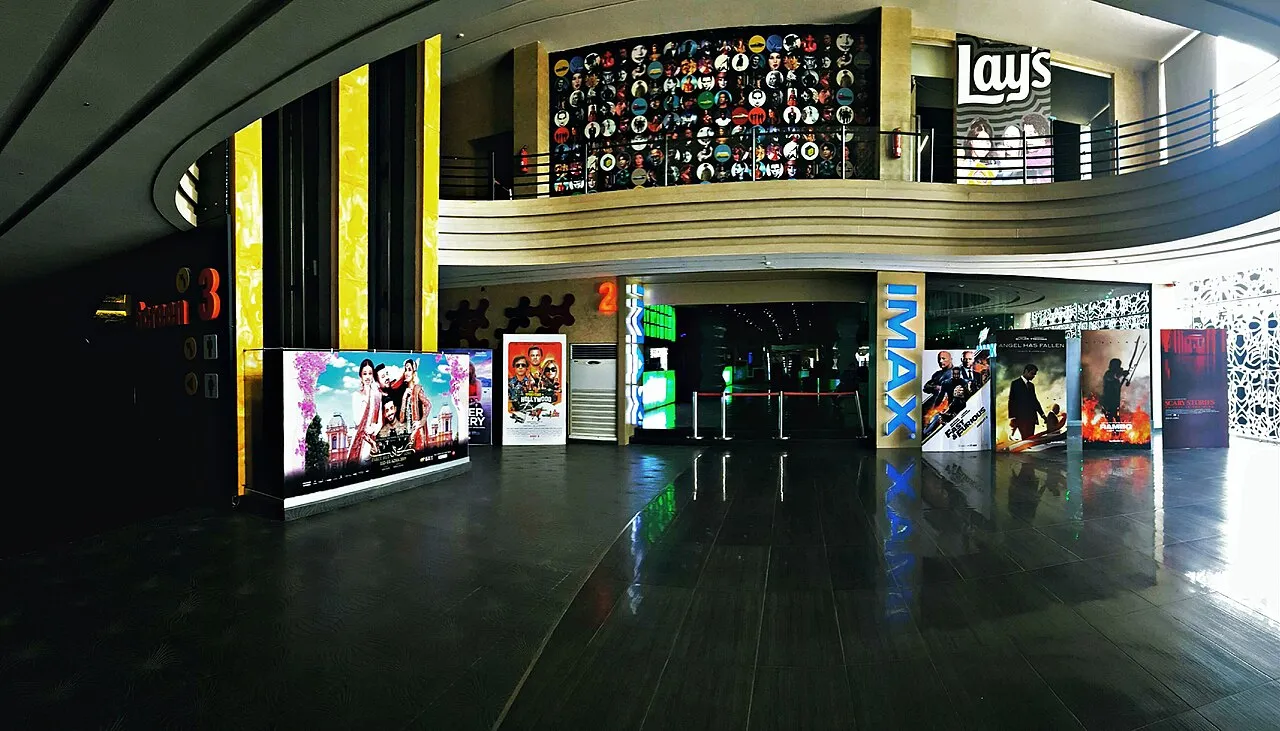
Moammar Rana is a Pakistani screen actor whose work includes Deewane Tere Pyar Ke, Choorian and Azaadi. His published interviews offer a useful introduction to the craft behind a familiar screen name: choosing roles, working with a director and separating a fictional character from the person performing it.
This guide was checked on 2 November 2026. It draws on explicitly dated interviews and original film-learning activities rather than claiming a new interview or a personal viewing of every film. It does not report unverified private-life news, a current project announcement or a box-office ranking copied without a defined source and period.
Who is Moammar Rana?
Rana is associated with Pakistani cinema across several phases of the industry. In a 2018 interview with MAG, he discussed earlier films including Deewane Tere Pyar Ke and Choorian, later work and the experience of making Azaadi. Those first-person accounts establish what he said about his career at that time, not a complete current filmography.
A useful introduction does not need to begin with an unverified personal detail. A screen name, selected credited work and a clearly dated interview can give a reader a reliable starting point. Exact award totals, earnings and private relationships require their own evidence rather than being added because biography pages commonly contain those fields.
For a small research card, separate actor identity, work title, role type and source date. A film title belongs to a work; an interview date belongs to the conversation. Combining them into one date column can accidentally turn the year of a retrospective interview into the release year of an older film.
The same principle applies to words such as latest and comeback. They describe the perspective of a particular article. A 2018 interview calling Azaadi a forthcoming or comeback film should not be rewritten as a new release in 2026 merely because the page remains accessible today.
What can an actor interview tell us?
An interview is primary evidence of the speaker's stated views and recollections. It can explain how the actor describes a role or working process. It does not automatically verify every commercial claim, settle a disputed release history or reveal what every other participant thought about the same production.
Read the question as well as the answer. A response about one film should not be treated as a statement about the actor's entire career. Context matters when a short quote circulates without the prompt that gave it meaning. A careful summary preserves the scope instead of expanding a personal observation into a universal rule.
For an original activity, label three fictional interview statements as memory, opinion or announced plan. A recollection of filming is different from a judgement about the industry, while a proposed project is not proof of a completed release. The categories help a learner decide what kind of further evidence would support a stronger claim.
Do not manufacture a quotation to make an article feel more personal. Paraphrase accurately, name the interview and retain its date. A readable explanation can convey an idea without pretending the actor spoke newly written words. Readers should be able to find the original conversation and understand how the summary relates to it.
Why do film titles not define the whole performer?
A well-known film can become closely associated with an actor, but it is one work within a broader career. Repeating a successful screen type may shape public expectations without making the character identical to the person. Rana's interviews discuss the effect of roles and the industry choices surrounding them.
That distinction is important for young viewers. A character's aggression, romance or decision is part of a dramatic representation. It is not evidence that the actor behaves the same way away from the camera. Treating performance as biography confuses the work with the worker and can produce unfair claims about real people.
Try a fictional exercise: the same performer plays a strict teacher in one story and a nervous student in another. The roles differ, while the performer's identity remains the same. Ask which details belong in a character note and which belong in a verified biography. That separation is the beginning of thoughtful screen analysis.
It also prevents a review from becoming an accusation. You can discuss whether a fictional action serves the story without assigning it to the actor as a personal belief. A performance is created within a production, and interpreting it requires more care than treating every spoken line as a public statement by the performer.
How do actor and director roles differ?
The actor develops and performs a role within the production, while the director shapes the overall dramatic presentation and coordinates key creative choices. A person can work in more than one capacity, but the credits for a specific film establish which responsibilities they held in that production.
The 2018 Images interview discussed Rana's acting in Azaadi and his separate unfinished directorial work at that time. A plan or work in progress should not be relabelled as a completed release without later evidence. Keep acting credit, directing credit and announced ambition in separate fields.
For a classroom exercise, give a short fictional scene to two groups. One chooses the broad staging and pace; another prepares the performance within those choices. Then discuss how the roles interact. The activity demonstrates collaboration without pretending to reproduce the working relationship of a particular film crew.
The final screen image also involves writing, cinematography, editing, sound and other contributions. Praising a performance does not require erasing those roles. Conversely, recognising collaboration does not make the actor's craft unimportant. A useful film guide helps a beginner notice how several kinds of work meet in one sequence.
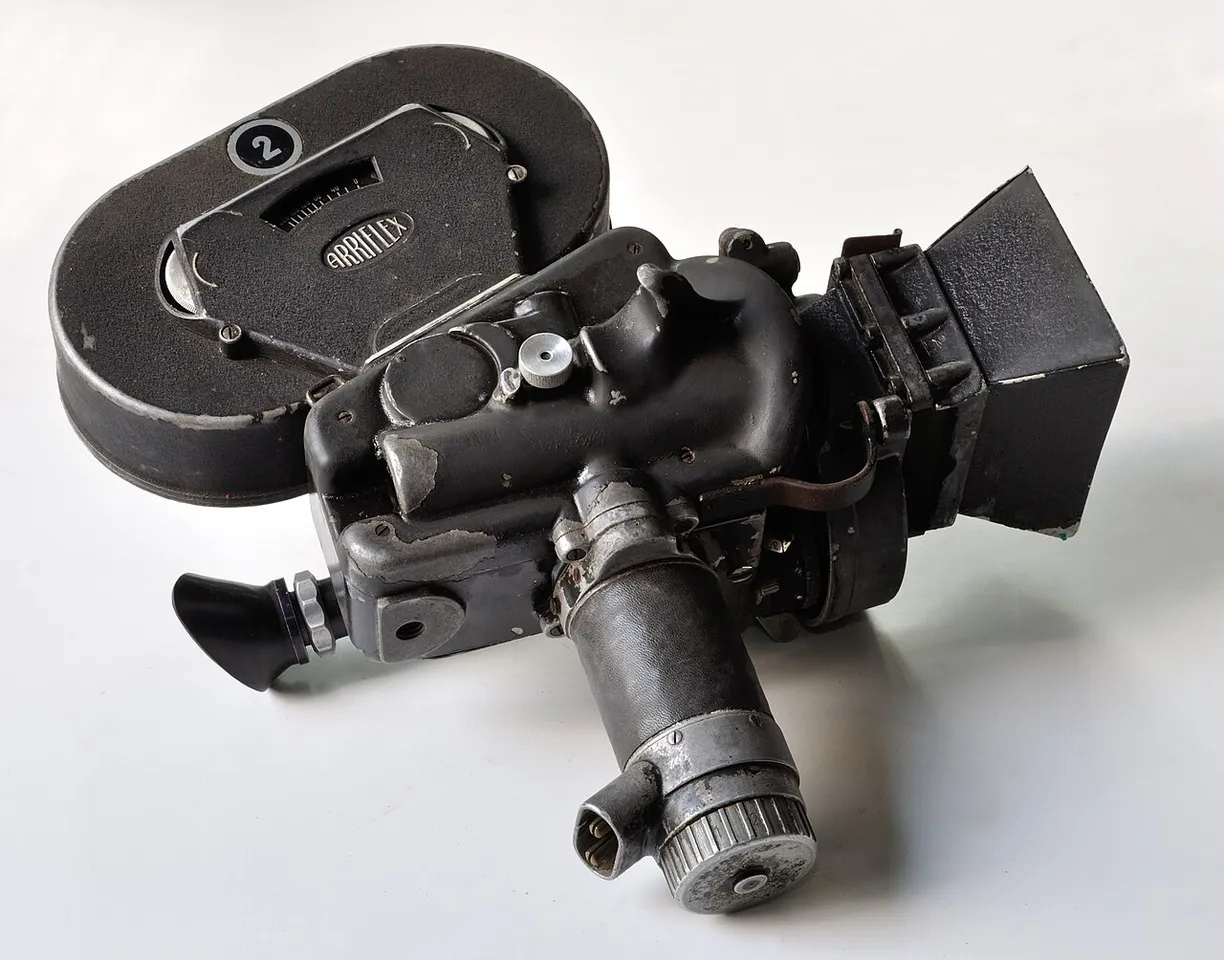
General filmmaking equipment; not Moammar Rana’s camera or film set.
What can you observe in a performance without inventing intentions?
Begin with visible or audible choices: timing, pauses, posture, movement and changes in delivery. Describe the specific moment before explaining its effect. You can observe that a performer pauses before answering; claiming exactly what private intention caused the pause requires a different kind of evidence.
Use an original neutral line such as “You came back.” Read it as a question, a statement of relief and a sign of suspicion. The words remain the same while pace and emphasis alter the impression. This simple activity shows why performance is not merely remembering dialogue.
Now add a visible action before the line: turning away, sitting down or meeting another character's gaze. Ask how the meaning changes. These are invented acting exercises, not descriptions of a scene from Rana's films. Keeping them clearly labelled lets the article teach a craft without claiming a film analysis it has not performed.
When watching a real sequence, write what you can point to. A note such as “the reply comes after a long pause” is more useful than an unsupported claim that the actor felt a particular emotion on set. You can discuss the character's apparent emotion while preserving the difference between performance and private experience.
How does editing affect what viewers attribute to an actor?
A screen performance reaches the viewer through selected shots and their arrangement. A close-up, reaction shot or cut can influence how a moment is understood. The finished impression is therefore not always explained by the actor's delivery alone, even when that delivery is central to the scene.
For a fictional exercise, place the same neutral face shot after an image of a missed train, then after an image of a returning friend. The surrounding information can change what a viewer infers. You have not changed the face shot itself, which makes the role of context easier to see.
Do not claim that this exercise identifies how a specific Rana film was edited. It introduces a general viewing question: what information comes before and after the performance moment? A deeper analysis would require the actual sequence and careful description of its construction rather than a memory of one promotional still.
This approach also explains why a trailer is not a complete sample of an actor's work in a film. A trailer selects and rearranges moments to attract interest. It can introduce a role, but a judgement about the whole performance should be based on the relevant complete work and openly stated viewing experience.
Why should language and regional context be treated carefully?
Pakistani cinema includes work in several languages and production settings. Rana's 2018 interviews discussed the industry across locations rather than reducing it to one city. A film's language, filming location and production company are different attributes, and one should not be used as an automatic substitute for another.
For a research project, make separate fields for language, release title and credited production information. A film shot in a city does not thereby become a new national industry, and a performer working in another language does not stop belonging to a broader screen tradition. Specific labels are more useful than an argument based on a slogan.
Subtitles add another layer. A translated line can help a wider audience follow a story while changing how a phrase's rhythm is experienced. If you analyse dialogue, state whether you are discussing the original delivery or a translation. Do not criticise a performance for a wording choice that belongs to the subtitle track.
The same care applies to title spelling. Romanised forms can vary across catalogues. Check the credited work and context before treating two spellings as two different films. A careful filmography links equivalent title forms while preserving the original identifying information rather than inflating the work count.
How should historical or political drama be read?
A dramatic story can draw on real places or political themes without functioning as a documentary record. The viewer should distinguish a fictional narrative, a performer's interpretation and independently established historical evidence. A film's emotional force does not make every scene an exact record of an event.
This matters when discussing Azaadi through the 2018 interviews. The sources describe a film and its makers' stated intentions. That material can support a discussion of production and representation, but it is not a substitute for separate research into every real-world issue the story references.
For an original media-literacy exercise, divide notes into “shown in the story” and “verified outside the story.” Keep the columns separate even when the subject is familiar. A scene can be meaningful as drama while a factual claim about the world still needs an appropriate source.
This does not require a viewer to stop enjoying a film. It makes enjoyment and inquiry compatible. You can appreciate an emotional moment, then ask what kind of work you are watching and which claims belong to its fiction. Clear categories help prevent a cultural article from becoming an unexamined account of history.
Build a useful actor-study notebook
Choose a small number of works and identify the exact source for each credit. Add an interview timeline with its publication dates. Keep personal recollections attributed and avoid filling gaps with rumours. A smaller notebook with traceable entries is a better learning tool than a long filmography whose titles and dates cannot be checked.
For each work you actually watch, describe one specific performance choice and its visible context. If you have seen only a trailer, say so. Do not write a full review in the voice of a viewer who watched the film when you have not. Honest scope helps other readers understand what your observations can support.
You can turn the notebook into a small project in our programming courses, with fields for work, credit, source and viewing scope. A filter can separate acting from directing or interviews from release records. The useful feature is the distinction between categories, not a decorative claim that every entry is complete.
Before sharing the project, ask another reader to trace one claim back to its source. They should see whether it is a dated recollection, a verified credit or your own interpretation. That is the lasting value of studying a familiar actor: learning to enjoy screen work while explaining clearly how you know what you are saying.
Sources
- MAG: Moammar Rana interview, published 30 June–6 July 2018, for attributed career reflections and discussion of acting work.
- Images: interview about Azaadi, dated 28 May 2018, for the actor's stated views and the then-current distinction between acting and separate directorial work. All scene exercises above are original fictional examples, not invented scenes from the films.
Image credits: cover: Shahzaib Damn Cruze, source, CC BY-SA 4.0. Resized and converted to WebP. inline: Biswarup Ganguly, source, CC BY 3.0. Resized and converted to WebP.
Found an error or an outdated detail? Report a correction with the article URL and original source.