
Motu Patlu: A Storytelling and Animation Learning Guide
Explore Motu Patlu through storytelling, paper animation and original classroom activities, with clear source details and practical viewing questions.
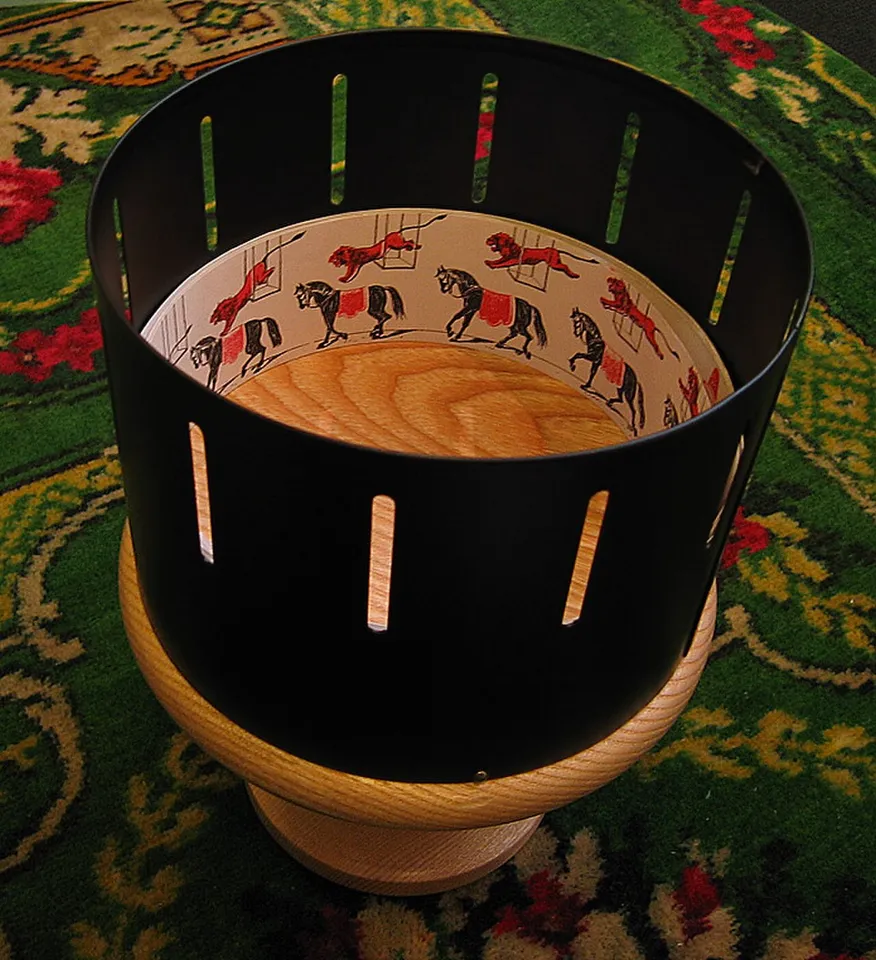
Looking for “Mr Patlu”? You may mean Motu Patlu, the animated comedy about two friends in the fictional town of Furfuri Nagar. This guide introduces the programme, then turns an interest in cartoons into practical activities in storytelling, observation and animation. It is not an episode download page or an announcement of a new release.
You do not need expensive software to begin. A pencil, a few small pieces of paper and a willingness to explain what you notice are enough. The exercises below use original situations created for this guide. They are not claimed plots from Motu Patlu episodes, and they do not reproduce the programme’s scripts or artwork.
What is Motu Patlu?
Motu Patlu follows two contrasting friends whose adventures lead to comic difficulties. The programme’s Google Play description identifies its connection to the Lotpot comic characters, its fictional setting and its television premiere on 16 October 2012. Those details help distinguish the series from unrelated videos that happen to use similar search terms.
The town is a story setting, not a place to locate on a real travel map. A useful first exercise is to separate three kinds of information: the fictional world, the people and companies making the show, and the platform carrying a particular video. A character is not an actor, a producer is not a channel, and an uploader is not automatically the rights holder.
Write those categories in three columns. Put the friends and their town in the first column. Reserve the second for production information that you can verify from credits. Put the channel or viewing service in the third. This simple distinction prevents a surprising amount of confusion when searching for cartoons online.
Why does the search phrase matter?
Short searches often contain incomplete names, alternative spellings or remembered sounds. “Mr Patlu” alone does not prove that a separate programme exists under that exact name. Before accepting a result, compare its title, description and channel identity with the programme you intended to find.
A search result can be relevant without being an official upload. An image of a familiar character is not enough to establish ownership. Look for a link from a recognised broadcaster’s own website or channel, then inspect the individual video. Do not assume every result labelled “new” was created recently or that a compilation contains previously unreleased episodes.
For a classroom activity, invent three search cards: an official channel clip, a fan discussion and an unrelated video using a popular name. Ask learners what each card can reliably tell them. The fan discussion may contain an interesting opinion, but it cannot by itself confirm a release schedule. Different sources answer different questions.
Learn to notice a story instead of only watching it
Choose a short, legitimately available scene and watch it once for enjoyment. On a second viewing, look for four elements: a goal, an obstacle, an action and a consequence. You are examining the structure, not trying to memorise every line. Pause only where it helps you explain a change.
Consider this original example: a learner wants to carry a stack of notebooks across a classroom. A door is closed, so the learner balances the stack on one hand to reach the handle. The stack tilts. A friend notices and opens the door. The goal, obstacle, risky action and helpful consequence can each be described in a sentence.
Now change one element. Suppose the friend holds the notebooks instead. The goal remains the same, but the action and visual result change. This is the beginning of writing: you can explain why events connect, rather than listing unrelated things that happened. A short story becomes clearer when each action changes the situation.
What makes contrasting characters useful?
Two characters need not react in the same way. One might act quickly while another pauses to inspect the problem. That difference can create a misunderstanding, a useful partnership or a moment of humour. It becomes more interesting when each character has a reason for acting, rather than simply being labelled clever or foolish.
Make two original characters for your own exercise. Give each a goal, a habit and one thing they do not yet know. For example, one wants to finish a model bridge quickly; the other wants to test every joint. Neither approach solves everything alone. Speed helps meet a deadline, while testing helps prevent a weak structure.
Write a scene in which both contribute. Avoid assigning a character’s body shape, accent or background as evidence of intelligence. Describe observable decisions instead. “She tested the support before adding weight” explains an action. “She is the smart one” provides much less information and leaves little room for the character to learn.
Build a six-panel storyboard
A storyboard is a sequence of pictures planning how a scene will be shown. For this exercise, draw six equal rectangles. Stick figures work well because the purpose is to organise events, not demonstrate polished illustration. Place a brief action note below each panel and keep dialogue short enough to read comfortably.
Use this original sequence: introduce a character carrying a box, reveal a narrow doorway, show the character noticing the problem, try an unsuitable approach, pause to reconsider, then carry the box through in a better orientation. Make the change visible. If the solution exists only in a long written explanation, the pictures need clearer staging.
Swap the storyboard with a friend who has not heard your plan. Ask them to describe the scene. Their uncertainty is useful feedback. Perhaps the doorway was never shown, or the box changed size between panels. Revise the confusing drawing rather than adding an explanation that the eventual audience would never receive.
Understand frames with a paper experiment
Animation can show movement by presenting a sequence of images over time. Begin with a ball drawn at a different horizontal position on each small page. Keep the ground line in the same place so that you can tell whether the ball moves or the entire drawing shifts accidentally.
Number the pages before drawing. Use a simple sequence such as positions 0, 1, 2, 3, 4 and 5 in equal steps. Flip them in order, then reverse them. The pictures have not changed, but the apparent direction has. This makes sequence an observable part of the result rather than an abstract word.
Next, vary the spacing between positions. Place some drawings close together and others farther apart. At a similar playback pace, larger positional changes can suggest faster movement. This is a classroom illustration of timing and spacing, not a claim about the exact technique or settings used in any particular television shot.
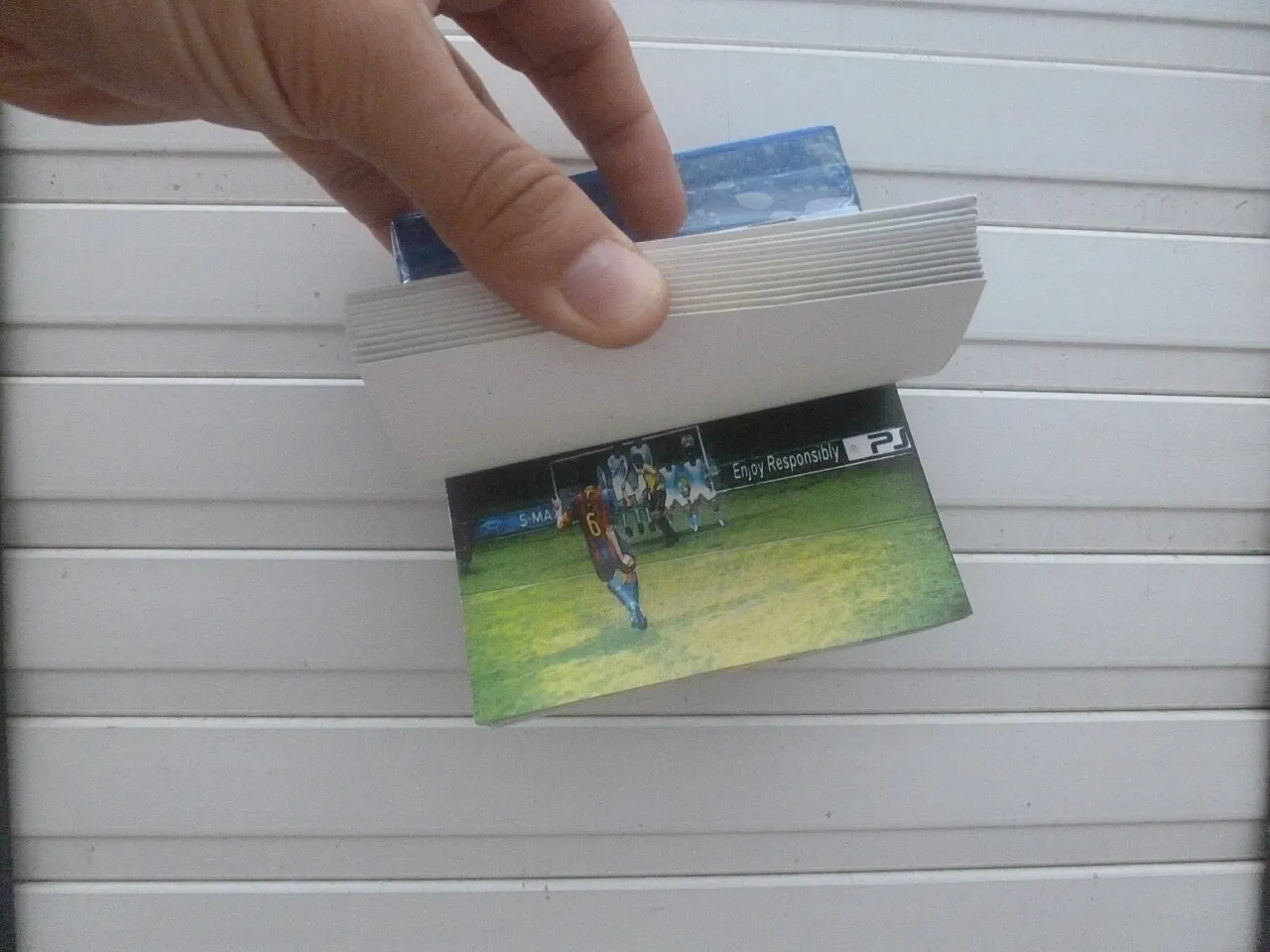
Paper-animation context for the original exercises; not Motu Patlu artwork.
Why are timing and pauses important?
An action can be difficult to understand when everything happens at once. A brief pause may give viewers time to notice an object, recognise a problem or anticipate a reaction. That pause has a storytelling purpose. More movement is not automatically a clearer or funnier scene.
Try showing your six-panel storyboard in two ways. First, move through all panels at a steady pace. Then hold the problem panel longer before revealing the attempted solution. Ask a viewer when they understood the difficulty. Their answer helps you decide where the scene needs time, instead of adding random delays everywhere.
You can record your observations as a small table with panel number, intended event and viewing time. Use your own chosen values and label them as an experiment. There is no single timing formula that guarantees comedy. The useful result is being able to explain why a particular pause helped this particular scene.
What is the difference between drawing and 3D animation?
A drawn frame represents a scene directly as a picture. A 3D workflow can instead use digital objects, virtual cameras and lighting to produce images. These are broad distinctions: real productions can combine techniques, and the final appearance alone does not reveal every step used to make a shot.
A historical Autodesk production case study describes the Motu Patlu adaptation as a Maya Digital Studios project using 3D animation, with hand-drawn storyboards in its early production workflow. Treat that document as an account of the production period it describes. It does not establish every tool or process used for later episodes.
For a simple comparison, draw a cube and photograph a small cardboard box. Change your viewing angle around the real box. Different faces become visible without you rebuilding the object. Now draw those views separately. The exercise helps distinguish an object, a viewpoint and the resulting image without requiring a modelling application.
Use sound as information
Sound can support an action, establish a setting or direct attention. It can also become distracting when it competes with dialogue or continues without a purpose. When analysing a scene, describe what a sound helps you understand. Avoid treating volume alone as a measure of excitement or quality.
Create an original scene using three safe sounds: a light tap on a table, a paper rustle and a spoken sentence. Perform it once with every sound together, then arrange the sounds around the action. Ask a listener to describe what happened. A clearer sequence may communicate more effectively even when it contains fewer sounds.
Keep listening comfortable and allow people to opt out of sound. If you turn the scene into a website activity, include visible controls and text explaining the event. A learner who cannot hear the audio should still be able to follow the task. Sound should add meaning rather than hide essential instructions.
Tell fantasy apart from real-world decisions
Cartoons can exaggerate movement, consequences and reactions. A character recovering instantly from an impossible fall is a fictional device, not a demonstration of safety. Enjoying a joke does not require copying its action. Keep practical experiments limited to paper, drawings and harmless objects on a stable surface.
Ask two different questions after a scene: “What happened in the story?” and “What would we do in real life?” The first checks observation. The second invites sensible judgement. For example, a fictional machine may solve a problem instantly, while a real classroom task needs instructions, supervision or a simpler tool.
Avoid turning the discussion into a test of whether a child is easily fooled. Everyone interprets stories through experience. Give learners a chance to explain which details signalled fantasy, and accept that a younger viewer may need a concrete comparison. The aim is confident understanding, not embarrassment.
Practise English through a short scene
An entertaining scene can become a prompt for language practice, but watching alone does not guarantee a particular learning outcome. Set a small task. Describe a character’s goal in one sentence, then use a linking word to explain why the next action happens. Keep your wording original rather than copying dialogue.
For the notebook example, try: “The door was closed, so the learner needed help.” Then change the structure: “Although the stack was heavy, the learner tried to reach the handle.” Discuss how the second sentence adds contrast. You are practising a specific language choice with a situation you can picture.
Learners can write first in the language they understand most comfortably, then produce a shorter English version. Compare the meaning rather than translating every word mechanically. Check that the goal and consequence remain clear. A useful exercise ends with a sentence the learner can explain, not a page of unfamiliar vocabulary.
Make an original mini-project
Combine the activities into a small project called “The Missing Pencil.” Invent your own characters and decide where the pencil was misplaced. Plan a beginning, a mistaken assumption, a search and a discovery. Make the resolution depend on something visible earlier, so that the ending feels connected to the setup.
Create six storyboard panels and a short flipbook showing one movement. Add a written description for anyone who cannot see the drawings clearly. Ask a partner to identify the clue before you explain it. If they cannot find it, strengthen the setup instead of claiming that the audience did not pay enough attention.
If you want to turn the sequence into a small browser exercise, explore our programming courses. Use your own shapes and text. Start with a button that moves from one panel to the next before adding automatic playback. Clear manual controls make it easier to check what each step does.
Questions to ask before sharing your work
Does your project tell an original story, or does it reproduce a television scene? Have you identified which images you created and which you obtained under a reuse licence? Public availability is not permission to redistribute someone else’s episode, soundtrack or character artwork. Use official viewing links rather than copying video files.
Can someone understand the project without sound? Are the action and text readable on a small screen? Does a pause or reset control work if you added playback? These questions turn presentation into something testable. A finished exercise is easier to enjoy when its controls and instructions support the story.
Finally, ask the learner to explain one improvement they made after feedback. It might be a clearer doorway, a better clue or a shorter sentence. That explanation matters more than pretending a first attempt was perfect. Interest in Motu Patlu can become a starting point for thoughtful viewing and original making, while entertainment remains enjoyable in its own right.
Sources
- Programme description on Google Play: the programme name, comic connection, fictional setting and listed premiere date. Availability depends on the service and location; this guide does not promise free viewing.
- Historical Autodesk production case study: production context for the early animated adaptation. The classroom stories, worksheets and project instructions in this article are original educational activities, not episode summaries or claims about production practice today.
Image credits: inline: Josila, source, CC BY-SA 3.0. Resized and converted to WebP. cover: Andrew Dunn, source, CC BY-SA 2.0. Resized and converted to WebP.
Found an error or an outdated detail? Report a correction with the article URL and original source.