
Musadik Malik: Climate Finance at COP31
Musadik Malik pressed Pakistan climate case at COP31 in Antalya and met ICESCO on a 2027 ministerial bid. See what he said and what it means.
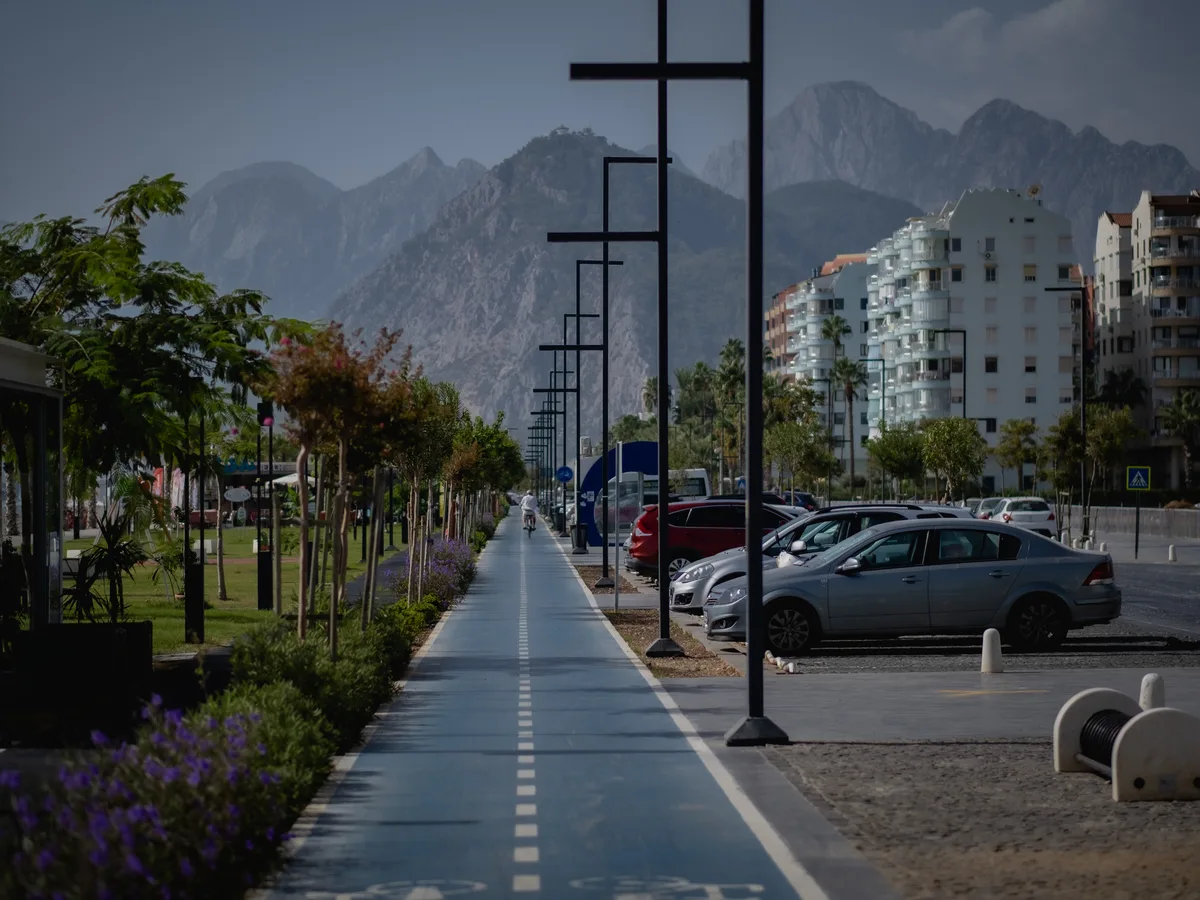
Pakistan's climate change minister, Senator Dr Musadik Masood Malik, used the COP31 summit in Antalya to argue that the countries least responsible for global warming are bearing the heaviest consequences of it. Speaking at an event in Türkiye on 13 November 2026, he called for climate justice and urged the international community to reconsider its financing priorities.
What Musadik Malik said at COP31
Malik's central argument was simple. Pakistan accounts for less than one per cent of global greenhouse gas emissions, yet it is among the countries most exposed to floods, heat, glacial melt and other climate hazards. He said countries that contributed the least to the problem were bearing some of the heaviest consequences.
He urged the international community to reconsider where climate money goes. His point was not only that more finance is needed, but that the money should reach the communities facing the sharpest risks. He listed the areas where Pakistan wants practical support: glacier monitoring, early-warning infrastructure, adaptation, scientific research and the recovery of disaster-affected communities.
That list is worth reading closely. It moves the conversation away from broad pledges and toward specific systems. A glacier monitoring network, an early-warning system for mountain valleys, a research programme and a reconstruction plan are all measurable things. They can be funded, built and audited. They are also the kind of projects that donor countries and multilateral institutions can support without getting drawn into wider political disputes.
The remarks were reported by Radio Pakistan on 13 November 2026. They came during COP31, the 31st Conference of the Parties to the United Nations Framework Convention on Climate Change, which was held in Antalya, Türkiye.
Why Pakistan frames climate finance as justice
The phrase "climate justice" is often used loosely. In Pakistan's case, it describes a specific mismatch between responsibility and impact.
Pakistan's contribution to global emissions is small. Its exposure is large. The country depends on the Indus river system, which is fed by glaciers and snowmelt in the Karakoram, Himalaya and Hindu Kush ranges. Those water sources are sensitive to temperature change. Pakistan also has vast areas of floodplain, rapidly growing cities and large populations working outdoors in extreme heat.
The result is that a country with a minor share of historical emissions faces major adaptation costs. Malik's argument is that this gap should shape how finance is allocated. Countries that did not cause the problem should not have to borrow at commercial rates to protect themselves from it.
That argument is not unique to Pakistan. It is shared by many developing countries and by the broader bloc that has pushed for loss and damage funding, adaptation finance and reform of international financial institutions. What is notable about Malik's intervention is the emphasis on implementation. He did not stop at the principle. He named the systems Pakistan wants funded.
The four practical demands
Malik's 13 November remarks set out a clear list of priorities. Each one addresses a different part of the climate risk chain.
The first is glacier monitoring. Pakistan's northern mountains contain thousands of glaciers, and the country has repeatedly warned that melting ice is increasing the risk of glacial lake outburst floods. Monitoring these lakes requires field equipment, satellite data, trained staff and a system for sharing warnings with communities downstream.
The second is early-warning infrastructure. A warning is only useful if it reaches the people who need it in time. That means weather stations, communications networks, local protocols and public education. Pakistan has made progress in this area, but coverage in remote mountain valleys remains a challenge.
The third is adaptation. This covers a wide range of measures, from flood defences and drainage to heat-resistant crops and urban planning. Adaptation is less visible than emergency relief, but it is where the largest long-term savings are made.
The fourth is scientific research. Malik has repeatedly argued that Pakistan needs better data on glaciers, mountain ecosystems and extreme weather. Without that data, planning is guesswork.
He added a fifth element: the recovery of disaster-affected communities. This is the part of climate finance that is hardest to fund and easiest to postpone. Rebuilding homes, schools, clinics and livelihoods after a flood takes years, and the money often arrives long after the cameras have left.
Glaciers, GLOFs and the Green Virtual University
Three days before the climate justice speech, Malik spoke at the UN Climate Change Pavilion at COP31 in Antalya and called for international scientific cooperation on glaciers and mountain ecosystems.
He warned that melting ice and the growing risk of glacial lake outburst floods are threatening vulnerable communities and their livelihoods. He also outlined a proposal for a Green Virtual University, which would connect Pakistani students, researchers and faculty members with leading international universities and scientists.
The idea is ambitious, but it addresses a real constraint. Pakistan has talented researchers, but it does not have enough institutions with deep expertise in glaciology, mountain hydrology and climate modelling. A virtual university would not replace physical investment, but it could widen access to training and collaboration.
Malik used the same speech to urge developed countries and global institutions to ensure timely financial and technical support for developing countries. The word "timely" matters. A grant that arrives five years after a flood is not the same as a grant that arrives before the next one.
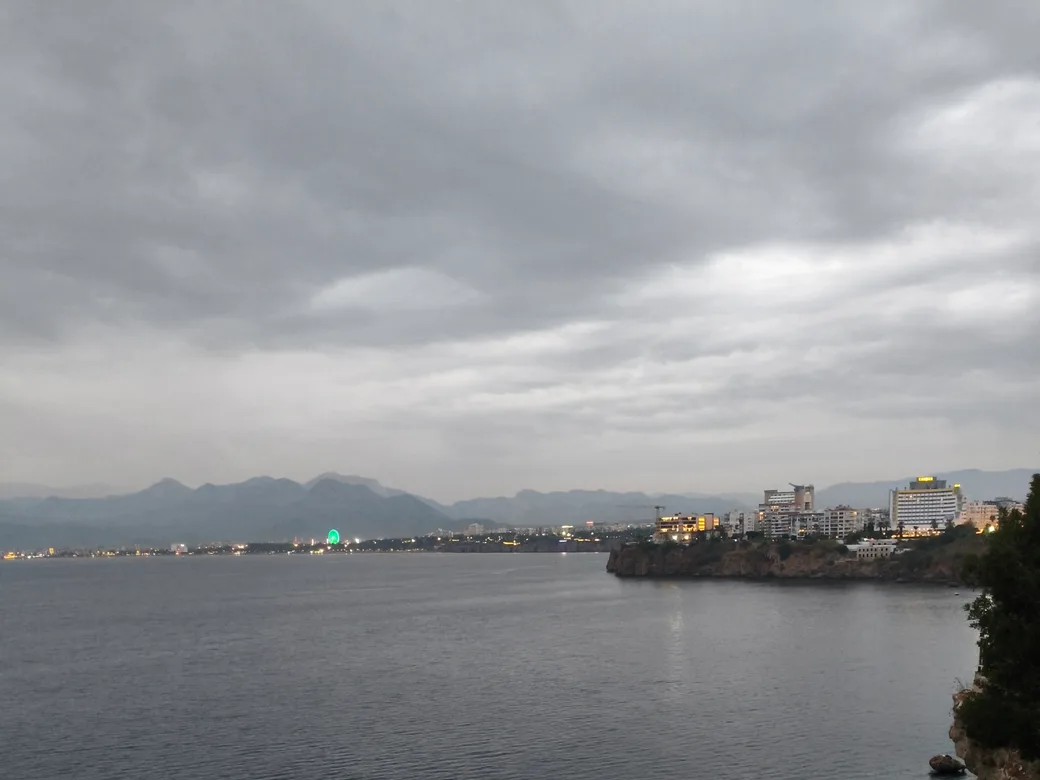
View from the cliffs on the Antalya coast, the host city of COP31. Archive photograph.
The ICESCO meeting and the 2027 conference bid
On 13 November, Malik met Dr Salim M. AlMalik, director-general of the Islamic World Educational, Scientific and Cultural Organization, at the Pakistan Pavilion during COP31. The meeting produced a concrete diplomatic request: Pakistan expressed interest in hosting the ICESCO Conference of Environment Ministers in the Islamic World in 2027.
According to ICESCO, Malik praised the organisation's participation in COP31 and the activities it organised across the pavilions of participating countries and international organisations. He highlighted the Greening Education Programme and the Youth Climate Leaders Initiative.
Dr AlMalik expressed appreciation for Pakistan's interest in ICESCO and its continued cooperation with the organisation in education, science and culture. He said ICESCO's environmental initiatives align with the ministry's efforts and stressed the importance of integrating environmental sustainability and climate change concepts into school curricula.
The director-general also invited Pakistan to support ICESCO's proposal to establish a Fund of Education for Climate Resilience, which was presented during the conference.
This part of the trip is easy to overlook, but it matters. Climate diplomacy is not only about negotiations between large blocs. It is also about building coalitions, hosting conferences and shaping the agenda in organisations that work across the Islamic world. A successful bid for 2027 would give Pakistan a platform to push its priorities.
From COP31 to the SCO Civilizational Dialogue
Malik's international schedule did not end in Antalya. On 14 November, Radio Pakistan reported that he would represent Pakistan at the SCO Civilizational Dialogue in New Delhi from 20 November 2026.
The event will bring together representatives from Shanghai Cooperation Organisation member states to exchange views on civilizational dialogue and cultural understanding. Pakistan said it remains committed to promoting dialogue among civilizations and fostering people-to-people contacts within the SCO framework in a spirit of mutual respect.
The link between climate diplomacy and civilizational dialogue may seem tenuous at first. But both are about how countries manage shared problems. Pakistan is a member of the SCO, and it has an interest in keeping channels open with neighbours and regional partners. The climate portfolio gives Malik a platform to discuss adaptation, water and disaster risk in a region that shares many of the same hazards.
The domestic argument: floods, heat and economic vulnerability
Malik's international message is built on a domestic case that he has been making for months.
In a speech at the Institute of Business Administration in Karachi on 6 November 2026, he argued that climate disasters, technological disruption and an increasingly unequal global economic order are converging to deepen Pakistan's vulnerabilities. He warned that their combined impact could reverse decades of progress made by vulnerable communities.
He described families in Gilgit-Baltistan who had taken three generations to escape poverty, only to lose their homes, livestock, schools and clinics in a single flood. He spoke about farmers in Sindh and along the Sindh-Balochistan border who returned to their land after repeated floods and were eventually forced to abandon farming. He mentioned workers in Jacobabad who continue working in extreme heat because they fear their children will go hungry if they stop.
He also questioned the conventional way of measuring climate losses through GDP and financial figures. The consequences, he argued, should be assessed through deaths, displacement, disability, disrupted education, infant and maternal mortality, and the destruction of family livelihoods. He cited figures of around 6,000 deaths, 20,000 injured or disabled people and 30 to 40 million displaced persons over five major flood events.
Those numbers are a reminder that climate finance is not an abstract budget line. It is about whether a family can rebuild a house, keep a child in school and earn a living after a disaster.
Malik linked this to technological disruption. He said advances in robotics and automation are accelerating industrial transformation, with potentially serious consequences for workers with low or mixed skill sets. The rapid expansion of artificial intelligence could also disrupt the livelihoods of freelancers. Workers will have to acquire new skills at an increasingly rapid pace.
He also criticised the unequal treatment of countries in international financial markets. Developing countries often borrow at much higher rates than wealthy ones, which makes adaptation more expensive for the countries that need it most.
On the domestic front, he pointed to the expansion of rooftop solar as an example of how public initiative can address structural problems. Household adoption of solar has helped reduce demand for imported liquefied natural gas and conventional energy. He identified solar energy, wind corridors and water resources as important opportunities for Pakistan, alongside agricultural productivity, exports and research.
Reading the diplomacy: what is verified and what is still rhetoric
It is important to separate what has been announced from what has been delivered.
What is verified is that Malik made these statements at COP31, met the ICESCO director-general, expressed interest in hosting a 2027 conference and confirmed his participation in the SCO dialogue. Those are public, attributable facts.
What is not yet verified is whether the finance will arrive, whether the Green Virtual University will be established, whether Pakistan will win the ICESCO bid or whether the 2027 conference will produce binding commitments. Those are outcomes that depend on negotiations, budgets and follow-through.
That distinction matters for readers. Climate diplomacy often produces strong statements and weak implementation. The test of Malik's COP31 agenda will be whether the specific demands he listed, from glacier monitoring to community recovery, receive funding and institutional support.
Why the glacier agenda matters beyond Pakistan
Pakistan's glacier diplomacy has regional and global implications. The Indus basin supports agriculture and drinking water for hundreds of millions of people. Changes in snowmelt and glacial runoff affect not only Pakistan but also downstream regions and the wider food system.
Glacial lake outburst floods are a particular concern. These occur when a lake formed by melting ice breaches its natural dam and sends water and debris down a valley. They can destroy villages, roads, bridges and hydropower infrastructure with little warning. Monitoring and early warning are the most effective ways to reduce the loss of life.
International scientific cooperation is therefore not a luxury. It is a form of risk reduction. The Green Virtual University proposal, if implemented, could help build the local expertise needed to run monitoring networks and interpret the data they produce.
What Pakistan wants from COP31
Taken together, Malik's statements point to a clear negotiating position.
Pakistan wants adaptation finance delivered as grants or highly concessional loans, not as commercial debt. It wants support for glacier monitoring and early warning. It wants research collaboration and institutional capacity building. It wants recovery funding for communities hit by repeated disasters. And it wants a greater voice in the organisations that set the climate agenda.
That position is consistent with the broader demands of developing countries. It is also a response to a specific national experience. Pakistan has suffered repeatedly from climate-related disasters while contributing very little to the emissions that drive them.
Whether COP31 delivers on those demands is a separate question. The conference is one stop in a long process. The follow-up will happen in national budgets, multilateral institutions and the next round of climate negotiations.
Questions readers are asking
Who is Musadik Malik?
Senator Dr Musadik Masood Malik is Pakistan's Minister for Climate Change and Environmental Coordination. He has represented Pakistan at COP31 in Antalya and has spoken repeatedly about climate finance, glacier monitoring and disaster recovery.
What did he say at COP31?
He called for climate justice and urged the international community to reconsider its financing priorities. He said countries that contribute the least to global emissions bear some of the heaviest consequences. He listed glacier monitoring, early-warning infrastructure, adaptation, scientific research and recovery for disaster-affected communities as priorities.
What is the ICESCO 2027 bid?
Pakistan expressed interest in hosting the ICESCO Conference of Environment Ministers in the Islamic World in 2027. Malik made the request during a meeting with ICESCO director-general Dr Salim M. AlMalik at the Pakistan Pavilion during COP31.
What is the Green Virtual University?
It is a proposal outlined by Malik at COP31 to connect Pakistani students, researchers and faculty members with leading international universities and scientists. The aim is to strengthen research and innovation, particularly in areas related to climate and mountain ecosystems.
Is Pakistan part of the SCO?
Yes. Pakistan is a member of the Shanghai Cooperation Organisation. Malik is due to represent Pakistan at the SCO Civilizational Dialogue in New Delhi from 20 November 2026.
Did COP31 solve climate finance?
No. COP31 is a negotiation and diplomacy event, not a single decision point. The statements made by Pakistan and other countries set out positions and priorities. Delivery depends on subsequent negotiations, budgets and institutional follow-through.
What to watch next
The first thing to watch is the follow-up to COP31. Did the conference produce commitments that match the language used by ministers? Did Pakistan secure support for glacier monitoring, early warning or adaptation? Those questions will be answered in the months after the summit.
The second is the ICESCO bid. If Pakistan is selected to host the 2027 Conference of Environment Ministers, it will have a platform to push climate adaptation and education initiatives across the Islamic world.
The third is the SCO dialogue in New Delhi. Malik's participation will show whether Pakistan can use the climate portfolio to build regional contacts and keep channels open on shared risks.
The fourth is domestic implementation. The Green Virtual University, glacier monitoring, early warning and community recovery all require money, staff and coordination. The speeches are the easy part. The systems are the hard part.
Sources
- Radio Pakistan, Musadik calls for review of global financing priorities, 13 November 2026
- ICESCO, Pakistan expresses interest in hosting ICESCO Conference of Environment Ministers in 2027, 14 November 2026
- Radio Pakistan, Musadik calls for global scientific cooperation on glaciers research, 10 November 2026
- Radio Pakistan, Musadik to represent Pakistan at SCO Civilizational Dialogue, 14 November 2026
- Associated Press of Pakistan, Climate disasters, technological disruption deepen Pakistan's economic vulnerabilities: Musadik Malik, 6 November 2026
- Radio Pakistan, Musadik calls for advanced technologies to combat climate change, 6 November 2026
Sources checked on 15 November 2026. Statements, dates, the ICESCO meeting, the 2027 bid and the SCO dialogue were checked against Radio Pakistan, ICESCO and the Associated Press of Pakistan. Image credits: cover photograph of the Antalya coast by Levi Meir Clancy, CC0, via Wikimedia Commons, resized and converted to WebP. Inline photograph of the Antalya coast by Alp ykslx, CC0, via Wikimedia Commons, resized and converted to WebP. Both images are archive photographs of Antalya and do not show the minister or COP31 events.
Found an error or an outdated detail? Report a correction with the article URL and original source.