
Noor Ahmad: Five Wickets and Cricket Figures Explained
Explore Noor Ahmad with clear explanations, worked examples, source checks and practical questions for independent student learning.
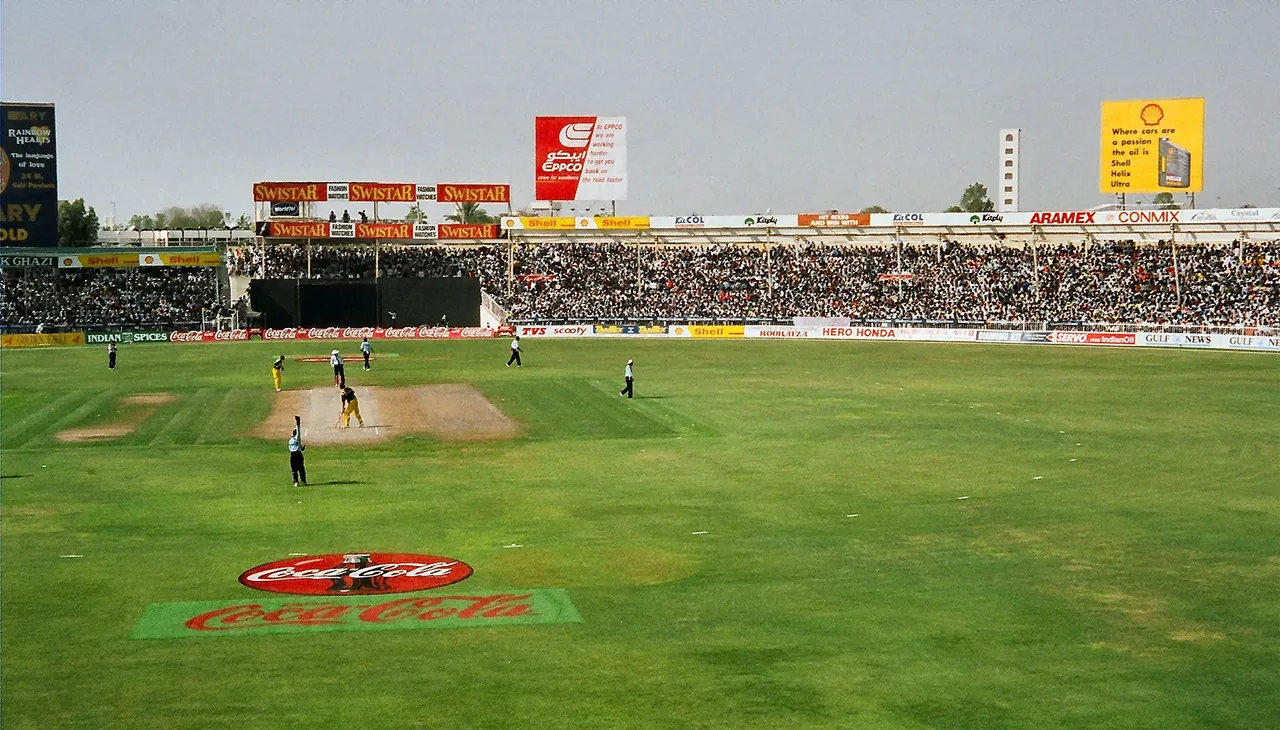
Noor Ahmad took 5/13 as Afghanistan defeated Zimbabwe by seven wickets in the third T20I at Sharjah on 1 November 2026. The victory completed a 3-0 series result. Those figures describe a particular bowling performance, not a score of five runs for thirteen wickets. Reading the notation correctly is the first step toward understanding why the performance attracted attention.
This guide was checked on 2 November 2026. It explains Noor’s reported contribution, the match result and the mathematics behind a bowling card. It does not invent delivery-by-delivery events, claim firsthand viewing or treat an attractive highlight clip as a complete record of the spell. Original exercises below use clearly fictional figures when additional match inputs are unavailable.
What did Noor Ahmad do against Zimbabwe?
The ICC’s match report identifies Noor as the leading performer with career-best figures of five wickets for thirteen runs. Zimbabwe were dismissed for 79, and Afghanistan won the chase with three wickets lost. The report places the match in Sharjah and identifies it as the third T20 international of the series.
The result belongs to the senior T20I contest, not a Hong Kong Sixes fixture occurring around the same period. Afghanistan had several cricket stories attracting searches at once. The team name alone therefore cannot identify a game. Add the opposition, venue, date and format before comparing a scorecard with a report.
Write a compact fixture card containing those four fields, then place the bowling figures beneath it. This makes the context visible even if the card is shared outside the article. A statistic detached from its match can remain numerically correct while being attached to the wrong event, which makes the resulting story misleading.
How do you read 5/13?
In this bowling notation, the first number is wickets credited to the bowler and the second is runs conceded. The order is different from a team total commonly written as runs followed by wickets. Context matters: the same slash character can appear in two displays with different field meanings.
For an original exercise, compare “bowler: 3/24” with “team: 24/3.” Both contain the same two numbers, but the labels give them different meanings. Ask a learner to turn each into a sentence. This is a better test of understanding than recognising the pattern without explaining what each part measures.
When designing a score display, use explicit column headings such as wickets and runs conceded. Do not rely entirely on cricket familiarity, particularly on an educational website. Clear headings help beginners, screen-reader users and anyone comparing several kinds of statistics on the same page.
Is taking five wickets the same as winning alone?
A five-wicket return is an important individual contribution, but a team result also involves other bowling, fielding and batting events. Noor’s performance helped create the chase, while Afghanistan still had to score the required runs. Recognising one player’s achievement does not require erasing the rest of the match.
The ICC report also describes early wickets from Afghanistan’s other bowlers and an unbeaten finish involving Ibrahim Zadran and Azmatullah Omarzai. These details provide context without requiring an invented claim that one player performed every decisive action. Individual figures and the team outcome belong together, but they are not identical records.
For a fictional team exercise, distribute ten wickets among several bowlers and add a successful chase. Ask students which contributions are represented in a bowling table and which need a batting or fielding record. The aim is to understand how separate records combine into a match, rather than ranking every contribution from one column alone.
Why does a target differ from the first innings total?
In an ordinary completed chase without an adjusted target, the batting side needs to exceed the opponent’s total. A first innings of 79 therefore gives a straightforward target of 80. The target is not automatically the same as the chasing side’s eventual final score, because the winning stroke may carry it beyond the minimum required.
Keep this calculation separate from any claim about the exact finishing score if you have not consulted the complete card. The mathematical target follows from the stated total under the stated conditions. The final total needs its own record. A careful guide can explain the first without pretending to know the second.
Try a fictional chase where the batting side has 78 and needs 80. If the next scoring stroke produces four, the final total becomes 82. The team has still chased a target of 80. This example helps learners avoid confusing a required number with the value eventually displayed when play ends.
What does a seven-wicket victory mean here?
The ICC describes Afghanistan’s result as a seven-wicket win. In standard eleven-player limited-overs cricket, that corresponds to a successful chase with three wickets lost. It is a result convention about wickets remaining, not a claim that the winner took seven opposition wickets or scored seven more runs.
Do not transfer that convention uncritically into a six-a-side event with different playing conditions. The format determines the relevant resources and result labels. This is another reason the fixture’s identity needs to be established before applying familiar arithmetic to a score discovered through a short search.
For an original worksheet, give learners several standard-format successful chases with different wickets lost. Ask them to express the margins in words. Then add a card labelled “different team-size rules” and ask what information is missing. Knowing when a familiar formula cannot yet be applied is part of understanding it.
Can you calculate economy rate from 5/13 alone?
No. Economy rate also needs the number of overs or legal balls bowled. Thirteen runs conceded does not provide the duration of the spell. A page that calculates an exact economy from the two-number return alone is assuming an input that is not contained in that notation.
Use a fictional example: twelve runs conceded in three overs gives four runs per over. The same twelve runs in four overs gives three. The runs have not changed, but the denominator has. This explains why a small input omission can change the interpretation of a bowling performance.
Cricket over notation requires particular care. A display such as 3.2 means three overs and two legal balls, not 3.2 decimal overs. Convert to twenty legal balls before calculating a rate. Label this as a general exercise rather than assigning those overs to Noor’s actual spell without a verified card.
Cricket equipment illustration, not a photograph from the November 2026 match.
Bowling average, strike rate and economy answer different questions
For an educational model, bowling average relates runs conceded to wickets taken, strike rate relates legal balls to wickets, and economy relates runs to overs. Their denominators differ, so they should not be treated as interchangeable measures. A low number can be meaningful in one column while describing something quite different in another.
Consider a fictional spell of 24 legal balls, twelve runs and three wickets. The simple average is four runs per wicket, the strike rate eight balls per wicket and the economy three runs per over. These are original demonstration values, not additional figures from the Zimbabwe match.
Now change only the wicket count and see which outputs respond. Then change only the balls. This makes the relationships visible and gives students a reason to understand each formula. The exercise is more useful than presenting three unexplained numbers beneath a player photograph.
Why should career-best claims be dated?
The ICC described the performance as a career best in its 1 November report, and its player information lists 5/13 against Zimbabwe. That identifies the record in the reviewed sources. A future performance can change a career-best field, so a static article should retain the date rather than pretending it is a permanently live profile.
A single-match return is also different from a season total or a career total. Five wickets in this fixture does not mean the player had only five wickets across all competitions. Keep the scope of each statistic visible: match, tournament, format and career are different filters.
For a fictional database, give every record a scope and a checked date. Test what happens when a new performance is added. The historical match entry should remain unchanged even if the summary field updates. This is a practical introduction to preserving history while maintaining a current overview.
What can highlights teach about spin bowling?
A clip can help a learner observe a delivery and its visible outcome, but it cannot supply every detail of a spell. Camera angle, replay speed and selection affect what is shown. Do not infer a complete variation pattern, exact ball speed or field setting from a cropped sequence without the relevant evidence.
An original viewing worksheet can ask three modest questions: where did the ball pitch in the visible frame, what movement appears after pitching, and what outcome does the clip show? Keep uncertain observations labelled. The goal is careful watching, not a claim to provide professional coaching from a short online video.
Avoid copying a bowler’s action through unsafe or intensive training advice. Learners interested in playing should use suitable coaching and conditions. This article’s practical work concerns reading information and simple calculations, not prescribing a training programme or diagnosing technique.
Build a bowling-card calculator
Use separate inputs for legal balls, runs and wickets. Make the unit visible and distinguish zero from missing data. A wicketless spell needs special handling for an average or strike rate involving division by wickets; the tool should not display a misleading ordinary number after dividing by zero.
Learners can build a version through our programming courses. Begin with fictional examples whose answers can be checked by hand. Then add a format label and a source field. The interface should explain its assumptions rather than relying on a decorative cricket icon to make the calculation seem trustworthy.
Test a partial-over spell, a wicketless spell and an empty input. These are meaningful cases because they reveal whether the program understands the difference between cricket notation, a numeric quantity and unavailable information. A useful calculator teaches the reader while preventing a plausible-looking error.
How should a player photograph be captioned?
A historical portrait can identify Noor Ahmad without depicting the Zimbabwe match. A photograph of Sharjah can illustrate the venue without proving that it was taken during this fixture. Keep the actual subject and date context in the caption, and use the match report for the performance claim.
Do not identify a different Afghanistan player as Noor because the uniform looks familiar. A name in the image record should be checked before publication. If a relevant portrait is unavailable under an appropriate licence, an honestly labelled cricket context image is preferable to a wrong face or an unlicensed screenshot.
The same discipline applies to alternative text. Describe the visible image rather than filling the text with unrelated search phrases. Images support understanding best when their role is clear and the reader is not asked to mistake illustration for direct evidence of every fact in the article.
What should you remember from this performance?
Start with the verified event: Noor’s 5/13 contributed to Afghanistan’s seven-wicket victory over Zimbabwe in Sharjah on 1 November 2026 and the completed 3-0 series result. Then keep the meanings separate: wickets and runs conceded, target and final total, individual return and team outcome.
The lasting learning value is being able to read the next scorecard independently. Ask which inputs a statistic requires, what period it covers and which format rules apply. An impressive performance becomes more understandable when its numbers are explained accurately rather than expanded with details the source never supplied.
Keep a separate note for each numerical claim: which innings it describes, which unit it uses and which source supports it. This small record makes it easier to correct a mistaken comparison without throwing away the rest of an otherwise useful match analysis.
Sources
- ICC match report, 1 November 2026, for the result, 5/13 return, series outcome and match context.
- ICC Noor Ahmad player information, for the dated listed best figures. All fictional spells and calculator examples above are original educational exercises, not additional match data.
Image credits: cover: The original uploader was PaddyBriggs at English Wikipedia., source, Public domain. Resized and converted to WebP. inline: No machine-readable author provided. Spundun assumed (based on copyright claims)., source, Public domain. Resized and converted to WebP.
Found an error or an outdated detail? Report a correction with the article URL and original source.