
Olivia Rodrigo: SOUR, GUTS and a Student Guide to Songwriting Choices
Explore Olivia Rodrigo’s SOUR, GUTS and Grammy timeline. Learn song structure, phrasing, arrangement and accurate release-credit research.
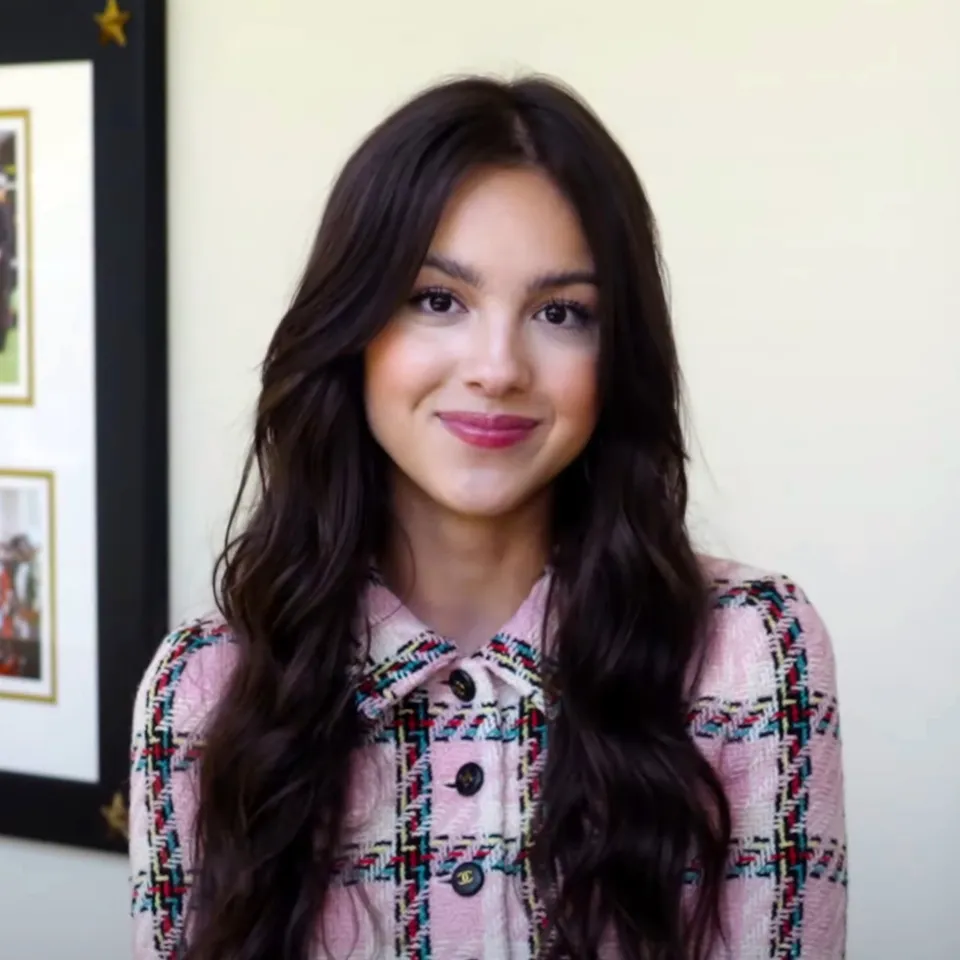
Olivia Rodrigo's SOUR and GUTS provide a useful starting point for students interested in how a song moves from an individual idea to a finished recording. A release has writing, performance, arrangement and production layers, while an award recognises a defined category in a particular year. Understanding those distinctions gives a clearer picture than an undated list of records and superlatives.
This guide follows the documented 2021 debut album, the 2022 Grammy recognition and the September 2023 release of GUTS. It then offers original listening and writing exercises without reproducing lyrics. It does not invent a new album announcement, personal relationship or current chart position. Historical releases remain dated rather than being presented as the whole of an artist's continuing career.
Who is Olivia Rodrigo?
Olivia Rodrigo is a singer-songwriter whose debut album SOUR was released in 2021. The Recording Academy records her 2022 Best New Artist win, while the label's GUTS announcement identifies the second album's release on 8 September 2023. Those sources establish separate milestones. A release year and an awards ceremony year need not be the same.
A song, album and award have different identities
A song can appear on an album, and the recording can later receive recognition in a particular category. The titles should not be swapped or counted as identical events. A clear catalogue uses separate fields for track, release, year and award. This prevents a short biography from implying that an album won an unrelated category simply because the artist's name appears in both records.
Historical context is not a claim about the latest catalogue
The SOUR-to-GUTS sequence is the focus of this learning guide. It is not a declaration that no later work exists or that an old award total remains current indefinitely. For a particular new release or tour date, use the artist's current official information. The historical milestones remain useful when their scope is stated honestly.
What did the 2022 Grammy record establish?
The Recording Academy lists Rodrigo as the 2022 Best New Artist winner and records other recognition associated with that period. An award belongs to its category and ceremony, not automatically to the year a song was first uploaded or an album was written. A student should preserve the category name instead of reducing every entry to an unlabelled trophy count.
A nomination is not a win
An artist page can show nominations and wins in neighbouring sections. Read the outcome carefully before adding an honour to a profile. A list of nominees does not mean every person in it won, and several categories do not necessarily refer to the same recording. The distinction is simple but important when information is copied into social graphics.
Eligibility and ceremony dates differ
Award systems can consider recordings released during an earlier defined period. The ceremony date therefore should not be used as a substitute for the recording's release date. Store both if they matter to the project. This helps explain why SOUR's 2021 release and the 2022 recognition belong together without being the same calendar event.
How does GUTS fit into the sequence?
The label's dated announcement identifies GUTS as Rodrigo's second album and gives 8 September 2023 as its release date. The earlier SOUR record provides context, but the second album has its own track list, credits and release history. A comparison should identify the actual versions being studied rather than assume every later edition or bonus release has exactly the same contents.
An album is a sequence as well as a collection
Track order can shape contrast and the listener's sense of movement. A quieter passage followed by a more intense one can change how both are experienced. This is a general listening idea, not proof of a private intention behind every sequencing decision. Students can describe the effect they hear while keeping an interpretation separate from an attributed statement by the artist.
Editions need clear labels
A standard release, expanded edition and live recording can contain different material. Do not combine their tracks into one original release list without explanation. The edition and source belong in the catalogue. A later upload date can identify a service's version rather than a completely new composition, so read the accompanying information before counting releases.
How can a song be studied without copying lyrics?
Choose a narrow question about structure, rhythm, texture or phrasing. Describe the observation in your own words and identify the recording. Students do not need a full lyric transcription to learn how a section builds contrast or how a vocal line changes its pace. Original examples can demonstrate the same concept without reproducing protected material.
Separate melody from words
A melody concerns pitch and timing, while words contribute meaning and verbal rhythm. The two interact but are not identical. A listener can discuss a rising phrase or a repeated rhythmic shape without quoting the text. Use plain language first, then add technical terms where they help explain what the reader can hear.
A chorus and a verse have functions, not fixed emotional labels
Sections can repeat, develop information or provide contrast, but they do not always follow one universal arrangement. Avoid assuming every chorus must be louder or every verse must be quiet. Study the actual recording and describe how the sections relate. A useful analysis explains the pattern present rather than forcing every song into a remembered template.
A hook can be more than one lyric
A memorable element can be melodic, rhythmic, instrumental or verbal. Identify what repeats and why it attracts attention in the chosen sample. The explanation should not depend on declaring that all listeners react identically. A personal response can be valuable when it is labelled as a response and supported by a clear musical observation.
What does arrangement contribute?
Arrangement concerns how parts are organised in the recording or performance. Instrument choices, entrances and the distribution of space can change the effect of the same underlying song. The finished sound is collaborative, so credits matter. Do not attribute every detail to the named singer unless the release information supports that responsibility.
Texture can create a sense of scale
A sparse passage can focus attention on one line, while added layers can create a fuller effect. More layers are not automatically better. Ask how the choice serves the section and what changes when another sound enters. This gives students a concrete way to discuss production without relying only on broad praise such as powerful or perfect.
Contrast can depend on what came before
A sudden change feels different after a steady section than after repeated changes. Listen to the surrounding passage rather than isolate one moment from the whole recording. The effect is relational. A short social clip may showcase an exciting transition while omitting the setup that explains why it works for the listener.
A quiet sound can carry an important detail
Not every meaningful part is the loudest. A backing line, pause or small rhythmic change can affect the impression. Students can note what they hear without inventing a production technique. If the method is not documented, describe the audible result rather than claim certainty about the exact equipment or software used to create it.
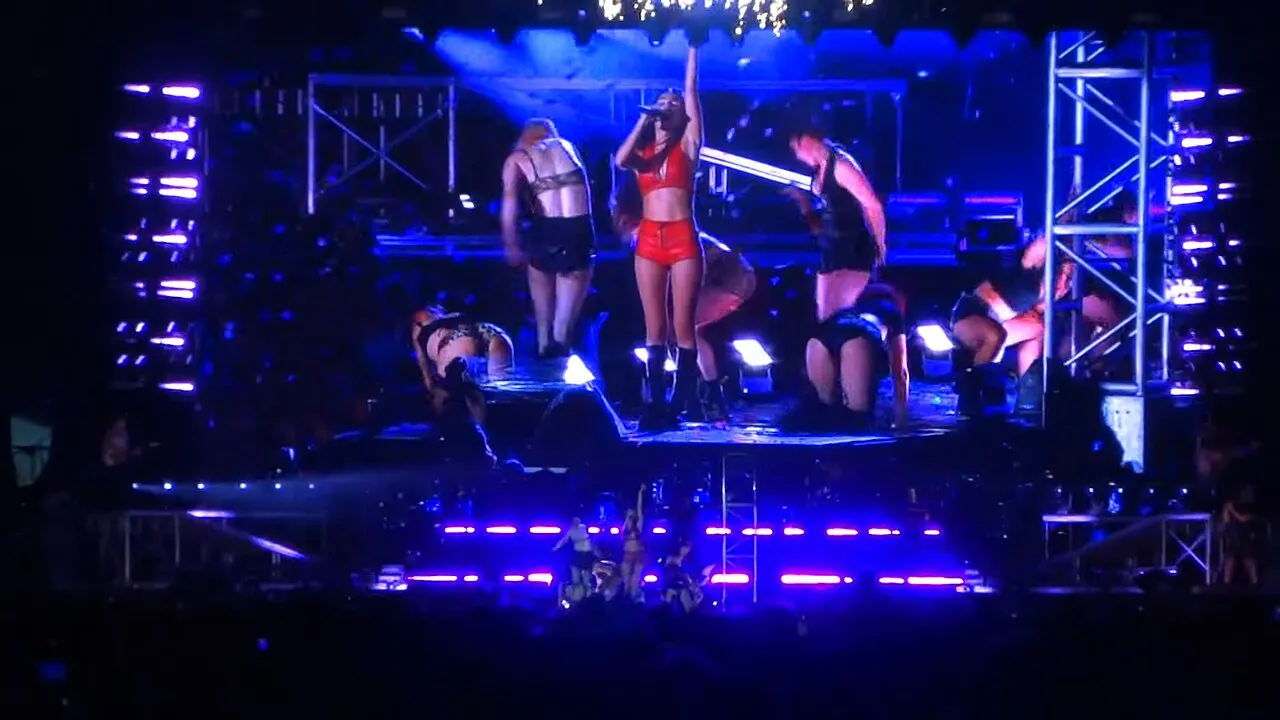
Olivia Rodrigo performing at Lollapalooza Argentina in 2025; a dated performance image rather than an album cover.
How does vocal delivery change meaning?
Pacing, emphasis and the shape of a phrase can influence how a listener understands a line. These are performance choices within a public work, not proof of the singer's private state. A song's narrator should not automatically be treated as the artist giving a factual account of every real event. Creative expression and biography need separate evidence.
Use an original sentence for practice
Take a made-up line such as I left the room before the rain. Change which word receives emphasis and where a pause falls. The implied focus changes even though the words stay the same. This exercise shows how performance adds meaning without requiring students to reproduce or imitate a copyrighted lyric or a singer's personal voice.
Do not diagnose emotion or health
A listener can describe a performance as sounding tense or restrained, but that is not a medical assessment or proof of the performer's private feelings. Keep the observation tied to the work. Avoid turning one live clip into a claim about illness, relationships or long-term ability. The evidence should match the scale and kind of conclusion being made.
What do chart and streaming figures measure?
A chart position belongs to a named chart, market and period. Streams, views and sales use different units and collection methods. A large number in one category cannot simply be compared with another as though both counted the same people. A profile can explain the records it verifies without inventing a current global ranking to make the subject sound important.
An audience total is not necessarily unique listeners
Repeated plays can contribute to some platform totals. The displayed count should not automatically be described as the number of separate people who heard the work. Read the source's definition before rewriting the figure. If the definition is unavailable, preserve the original category instead of replacing it with an apparently clearer but inaccurate label.
A date belongs beside a record
Chart records and platform counts can change. An older milestone can remain genuine without being the latest total. Store the collection date or chart week when using such data in a student project. This article avoids undated current numbers because the learning focus is the documented release sequence and the ideas students can study in the music.
A songwriting project with original material
Write a short original piece around one clear change in perspective. Use your own words and a simple rhythmic pattern, then try two different arrangements or delivery styles. The aim is not to recreate a commercial recording. It is to understand how structure, phrasing and texture work together and how the same draft can produce different effects.
Keep a revision note
Record what you changed and why: perhaps a shorter opening, a clearer contrast or a pause before an important idea. This makes creative decisions easier to discuss. A revision log is not a demand to justify every instinct, but it helps students notice how the result developed rather than believe a finished work appears fully formed in one attempt.
Get feedback on a defined question
Ask a listener whether the change between sections is clear or whether the central idea can be understood. A focused question gives more useful feedback than asking only whether the piece is good. Keep disagreement constructive and tied to the work. A listener's preference can be acknowledged without treating it as a universal law about music.
A release-credit research project
Create a table with artist, release, edition, date and credited roles. Add award category and ceremony year in a separate section. This preserves the difference between making a work and receiving later recognition. The project should use official records where possible and label interpretations as listening notes rather than turn every promotional phrase into a measured claim.
Connect music with digital skills
The programming courses can help students build the catalogue, while the class resources support related study. Require source links and distinguish missing information from zero. Keep song, album and award records connected but separate. A useful application prevents category errors and makes the timeline easier to understand rather than merely displaying an attractive list of names.
Questions about Olivia Rodrigo
Did SOUR and GUTS come out in the same year?
No. The documented sequence is SOUR in 2021 and GUTS in September 2023. The 2022 Grammy recognition belongs to a separate awards stage. Keeping those fields distinct makes the timeline accurate and helps explain why an album release can be discussed alongside a ceremony held later without either date being an error.
Can students analyse the music without sharing full lyrics?
Yes. They can describe structure, rhythm, arrangement and vocal phrasing in original language, using short original exercises to demonstrate the ideas. The source and version should remain clear. Learning to explain an audible choice is more useful than copying a whole text, and it respects the distinction between studying a work and redistributing it.
Sources
- Recording Academy: Olivia Rodrigo's artist and award record
- Recording Academy: 2022 Best New Artist result
- Universal Music: the dated GUTS release announcement
Image credits: cover: White House staff, source, Public domain. Resized and converted to WebP. inline: Live Shows & Concerts! Shows y Conciertos en vivo!, source, CC BY 3.0. Resized and converted to WebP.
Found an error or an outdated detail? Report a correction with the article URL and original source.