
One Piece Chapter 1198: Release Check, Pakistan Time and Official Reading
Check the reported Chapter 1198 schedule, convert UAE time to Pakistan and use official reading services without treating unconfirmed spoilers as fact.
One Piece Chapter 1198 is an upcoming-release search, not a reason to treat every circulating spoiler as published story. At the 6 November 2026 check, VIZ's official chapter list showed Chapter 1197 dated 1 November and a countdown to the next chapter. This guide provides the official reading routes and keeps unconfirmed plot claims out of the article.
Gulf News reports a planned 8 November release at 7pm UAE time. That converts to 8pm in Pakistan and midnight on 9 November in Japan, if the reported schedule holds. Check the publisher's current listing before relying on a precise time; a regional news timetable and an official availability screen are different records.
Where should readers check Chapter 1198?
Start with VIZ's One Piece chapter page or MANGA Plus by Shueisha. VIZ identifies Eiichiro Oda as the creator and links readers to MANGA Plus for current free chapters in relevant locations. Use those authentic services to check what is actually available rather than a page claiming that a scan is official because its title says so.
| Question | Practical answer |
|---|---|
| Latest chapter visible in the checked VIZ list | 1197, dated 1 November 2026 |
| Chapter being searched | 1198 |
| Official reading routes | VIZ and MANGA Plus |
| Reported upcoming time | 8 November, 7pm UAE |
| Equivalent Pakistan time | 8 November, 8pm, if that schedule holds |
| Plot leaks | Not verified as the published chapter here |
The table is a dated check, not a live availability feed. Once the chapter releases, the service's own entry should provide the definitive reading destination. An older article can remain useful for context while its statement that a chapter is upcoming needs to be read with the original check date.
Why different countries can show different calendar dates
A single release moment can fall on different dates in different timezones. A Sunday evening for a reader west of Japan can coincide with Monday shortly after midnight in Japan. Those date labels do not necessarily describe two separate releases or prove that one region received an unauthorised early copy.
For the reported time above, UAE time and Pakistan time differ by one hour, while Japan is later still. Keep the timezone beside the clock time. Writing only 7pm removes the information needed to interpret it. A countdown can also be easier to follow when the local service displays it correctly for the viewer.
This is a useful classroom exercise in reading schedules. Convert the same stated moment into two locations, then record whether the date changes. Do not add an extra day merely because a publication is Japanese; do the conversion from the actual timezone and time supplied by the source.
A chapter number is not a volume number
A chapter is an individual instalment in a serialised work. A collected volume groups material into a book. A reader searching for Chapter 1198 should not assume that a product numbered 1198 is a volume of the manga, an anime episode or a card-game release. Those are different numbering systems.
The same franchise can have several forms at once: manga, animation, collected books and other adaptations or products. Each has its own release history. A recent anime upload does not establish that a manga chapter has been published, and a book retailer's arrival date may describe a collected edition rather than a weekly instalment.
Before using a schedule, identify the medium and edition. This small step prevents many apparent contradictions. Two dates can both be accurate if they refer to different products. A reliable guide should name the actual chapter and reading service rather than use One Piece as a label for every release in the franchise.
Why spoilers and the official chapter are different evidence
An early text summary may claim to describe an unreleased chapter. Even when a community has found earlier summaries useful, that history does not turn a new claim into an official publication. The title, translation and interpretation can change when the actual authorised chapter is available.
This article does not reproduce a leaked plot or describe an unverified character transformation as established story. That is a deliberate boundary, not a missing page of the recap. Readers who want to experience the chapter directly should be able to find the release information without having a speculative ending placed in the opening paragraph.
For media literacy, distinguish three labels: published chapter, attributed report and fan theory. A statement can be interesting while belonging to the third category. Removing the label to make a headline sound more certain gives the reader less accurate information, even when the prediction later happens to resemble the story.
An image can be genuine and still belong to another chapter
A panel from an older chapter can be shared beside a new chapter number. The artwork may be authentic while the identification is wrong. Cropping, a new caption or an altered translation can further change what the image appears to establish. Check the original chapter context before treating a panel as evidence of the upcoming release.
AI-generated fan images add another reason to inspect provenance. A convincing style does not prove authorship or publication. Conversely, a reader should not declare every unfamiliar image fake without evidence. The appropriate conclusion may simply be that its source has not been established.
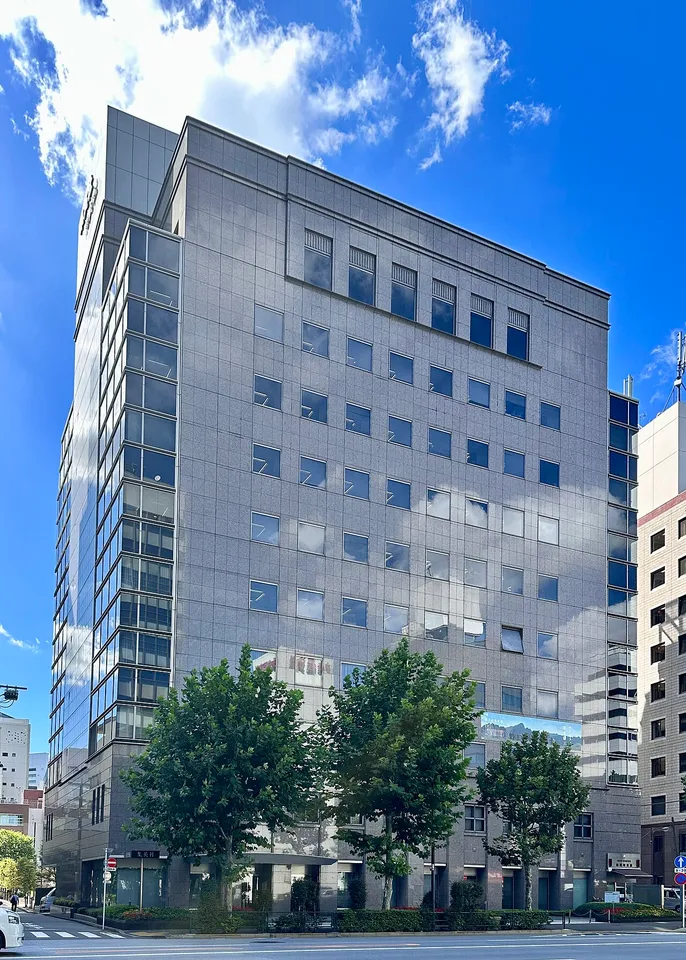
Historical photographs of manga books or publishing buildings on this page are contextual illustrations. They are not Chapter 1198 panels and are not presented as previews supplied by the publisher. Clear captions make that distinction visible without requiring readers to investigate the credit before understanding the image's role.
How to use the official chapter list
Look for the series title, creator, chapter number and date. Confirm that the link remains within the authentic service or its stated partner route. A generic page with a similar name is not necessarily part of the publisher's service. The domain and the relationship stated on the official page matter.
Then read the access information shown for your location. A chapter may be free under specified conditions while other archive material requires a different access arrangement. Do not assume that one free entry means unlimited access to every edition, every previous chapter or every language version.
If the page does not load, first distinguish a technical problem from a publication decision. A JavaScript-dependent reader can fail to display in a restricted environment even when the service exists. That does not establish that the chapter was cancelled or removed. Use the supported site or official application and the service's help route.
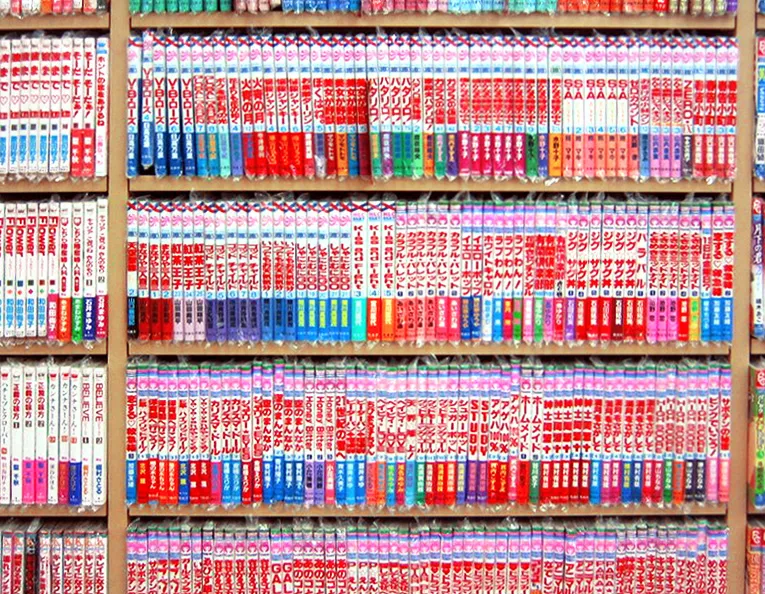
A manga bookstore in Japan, used as an illustrative reading-culture photograph rather than a display of Chapter 1198 or an authorised preview.
Why a new upload date can mislead
An uploader can repost an old discussion today. The new timestamp describes that upload, not the original chapter or the date on which the discussion first became relevant. Search results may highlight the recent timestamp and leave the older context less visible. Read the actual chapter number before relying on the apparent freshness.
This is particularly important when a series has a long archive. A familiar character, recurring place or dramatic illustration can fit many stages of the story. A filename or thumbnail alone is a weak identity check. The publisher's indexed chapter is the stronger reference.
For students organising research, use separate fields for original publication date and date found. The distinction helps with news, academic sources and entertainment archives alike. Finding a page today does not make its contents a statement about today's release, and a recent repost does not rewrite the original timeline.
Breaks should be checked, not guessed from a pattern
A reader may notice a usual publication rhythm, but a rhythm is not a guarantee for every week. Check the current publisher information before declaring that a chapter is delayed or that a break has ended. A fan calendar can be useful as a reminder while still needing confirmation from the actual release listing.
Do not speculate about the creator's health or private circumstances to explain a scheduling gap. A published notice may supply a reason; without one, the gap does not establish a medical claim. Respecting that boundary leaves plenty of room to discuss the publicly available schedule.
The practical question is what the current official entry says. If a date changes, keep the earlier and later records distinct rather than quietly treating the first as never having existed. A dated correction explains the development more clearly than an unsupported claim that every earlier timetable was deliberate misinformation.
Reading manga as a visual story
Manga combines artwork, sequencing and text. A plot summary can identify events while leaving out pacing, composition and the relationship between panels. Reading the authorised chapter directly allows the reader to experience those choices rather than encounter only somebody else's compressed interpretation.
For an original learning exercise, take a short, self-created four-panel story about missing a bus. Change the order of the middle panels and discuss how the meaning changes. No copyrighted One Piece material is needed to demonstrate that sequence contributes information. The exercise makes visual storytelling tangible without reproducing the manga.
Another exercise is to describe a panel's function without copying its dialogue: establishing place, showing a reaction, changing scale or delaying a reveal. Keep observation separate from speculation about the creator's private intention. A reader can analyse the effect of a composition without claiming access to the process that produced it.
Translation and interpretation need separate labels
Different translations can render a line differently, and a reader's interpretation adds another layer. Do not present a fan paraphrase as the publisher's exact wording. If a discussion depends on a particular phrase, identify the edition and language rather than assume every version uses identical text.
This guide does not reproduce chapter dialogue or supply a replacement translation. It directs readers to authorised services and explains how to interpret release information. A commentary page should add analysis rather than become an unauthorised substitute for the chapter itself.
For language learners, compare a short passage only within the service's permitted use and focus on a specific linguistic question. A term's meaning can depend on context. Avoid building an entire future plot claim from one ambiguous translated word before the full authorised chapter is available.
How to discuss a new chapter without spoiling it for everyone
Put a clear spoiler label before plot discussion and avoid revealing major events in a public subject line or image caption. A person looking for a release date may not be asking for the ending. Keeping schedule information separate from plot analysis respects both readers who want discussion and those who want to read first.
In a group chat, agree on which chapter the discussion covers. Some members may follow a different authorised edition or adaptation. A manga development is not automatically common knowledge for someone following only the animation. The medium and chapter number make the boundary clearer than a vague latest episode label.
This is ordinary communication design. The goal is to let people choose the information they receive. A well-labelled conversation can still be enthusiastic and detailed; it simply avoids putting a surprise where a reader was expecting a timetable or a link to the official service.
A small release-tracking project for students
Build a private table with series, medium, chapter, announced time, timezone, source and last checked. Include a status field such as scheduled or available. Do not let an expected date automatically change the status to available without checking the publisher. A clock reaching a target is not itself a publication record.
If writing code for the tracker, separate stored time from display formatting. The same moment can be shown in multiple local formats without becoming a different event. Add a note when an input came from secondary reporting rather than a publisher entry. That gives later readers a useful measure of the information's scope.
The project is a practical application of date handling and source attribution. It should not scrape or redistribute protected chapter pages. A small set of release metadata and links is enough to learn the programming concept while leaving the original reading experience on the authorised service.
Questions about Chapter 1198
Are the circulating spoilers confirmed here?
No. The guide does not treat leaks or fan predictions as the published chapter. It gives the release-checking routes and the reported schedule, with the reference date visible. Readers should use the official entry for the actual chapter once available.
Why do some pages say 8 November and others 9 November?
Timezone conversion can place the same moment on Sunday evening in one location and Monday in Japan. Check the accompanying time and timezone before calling the dates contradictory. A date without a zone can hide the very information needed to make the comparison.
Where can I learn the technical ideas in this guide?
Explore programming courses for date handling and interface design, or class resources for source-reading practice. The core habit is simple: identify the medium, chapter, source and date before treating a release claim or a screenshot as established information.
Sources
- Source: VIZ official One Piece chapter list
- Source: MANGA Plus by Shueisha
- Source: Gulf News reported Chapter 1198 schedule
Image credits: cover: Akonnchiroll, source, CC BY-SA 4.0. Resized and converted to WebP. inline: Justin Doub, source, CC BY-SA 2.0. Resized and converted to WebP.
Found an error or an outdated detail? Report a correction with the article URL and original source.