
Pakistan Fuel Prices, 12 November 2026: Petrol, Diesel and Travel Costs
Check PSO’s dated petrol and diesel table, its freight qualification and worked litre, budget and journey calculations using clearly labelled examples.
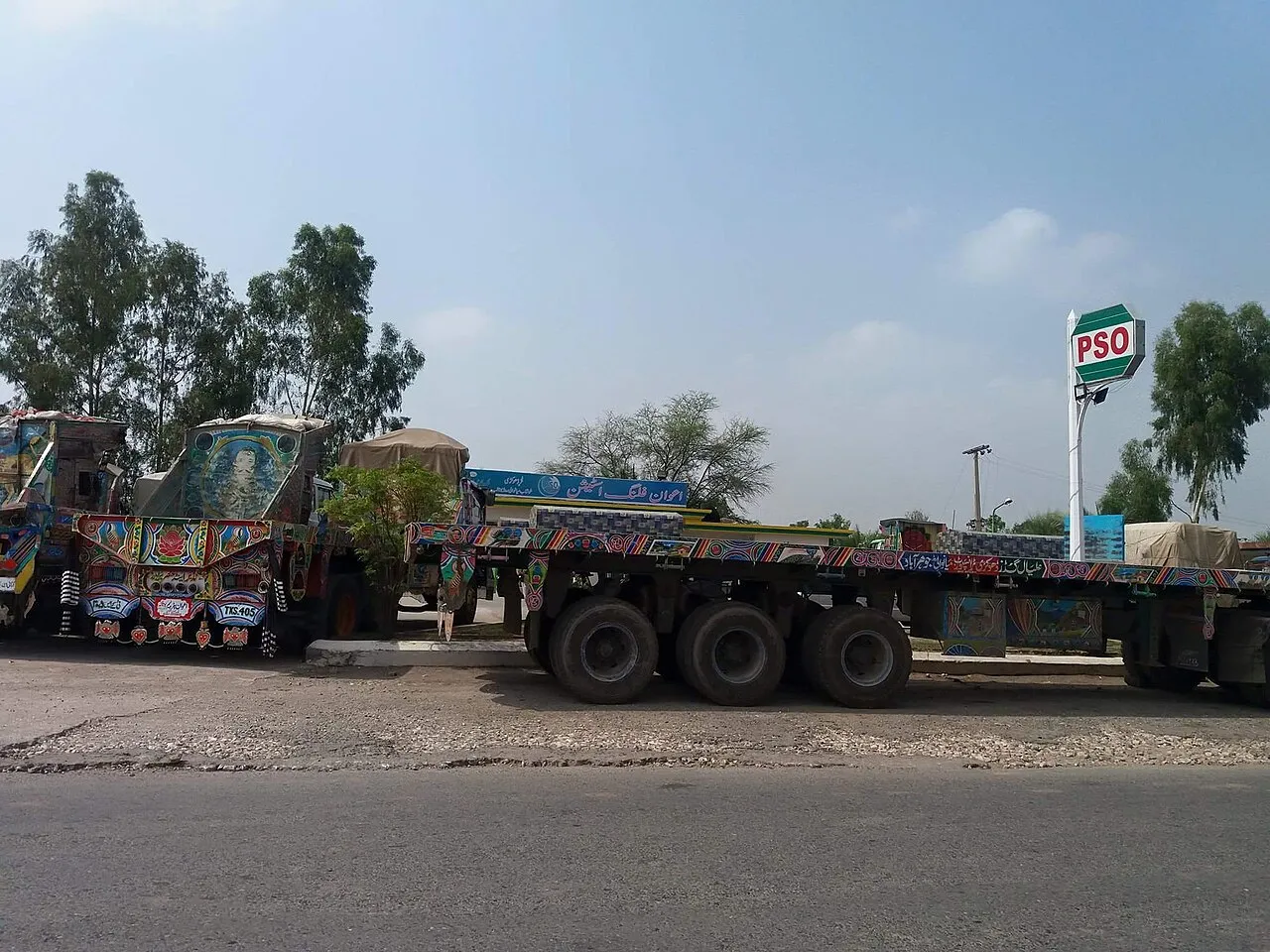
Pakistan fuel prices: the 12 November 2026 PSO table
Pakistan State Oil's published table effective 12 November 2026 lists Premier Euro 5 petrol at Rs335 per litre and Hi-Cetane Diesel Euro 5 at Rs364 per litre. The same table lists light diesel oil at Rs251.37 and superior kerosene oil at Rs308.52. These are dated product-specific references, not a permanently updating price feed.
PSO also qualifies the figures: its table excludes applicable freight between the shipping point and retail outlet, while the final outlet selling price includes that freight. Consequently, the table should not be rewritten as a promise that every station's final pump price must be identical to the reference figure.
This guide explains the dated table and provides original, clearly labelled cost examples. It does not invent a previous comparable rate, a reduction amount, a subsidy entitlement or a future price decision merely because searches mention a “cut.”
The dated product table
| Product in the PSO table | Reference rupees per litre |
|---|---|
| Premier Euro 5 petrol | 335.00 |
| Hi-Cetane Diesel Euro 5 | 364.00 |
| Light diesel oil | 251.37 |
| Superior kerosene oil | 308.52 |
Read the product name before comparing a number. High-speed diesel and light diesel oil are not interchangeable entries. Nor should a premium petrol listing be assumed to represent an ordinary petrol product. A low number attached to a different product does not establish that a driver can buy the fuel their vehicle needs at that price.
The Shell Pakistan station-price board also showed a 12 November update in the material reviewed. For an actual purchase, check the current outlet's product, displayed rate and receipt rather than treating an archived article as a substitute for the transaction record.
Why a freight qualification matters
A published reference price and the final price at a location can describe different stages of supply. The qualification on the PSO page should remain attached to the table when the information is summarised. Removing it makes a convenient short answer less accurate.
This does not mean any unexplained charge should be accepted without question. It means a comparison needs matching terms. First establish the product, effective date, location and whether the figure includes the relevant component. Then ask a specific question about a discrepancy.
For example, comparing a reference table excluding freight with an outlet receipt including it is not the same as comparing two receipts for the same product and date. A useful record keeps those distinctions visible instead of treating every numerical difference as proof of one particular cause.
Calculate the cost of a known number of litres
The basic formula is quantity multiplied by rate. Using the dated petrol reference, ten litres cost 10 × 335, or Rs3,350. Twenty litres cost Rs6,700, and thirty litres cost Rs10,050. These calculations illustrate the table rate; actual retail qualifications still apply.
For diesel at the listed reference, ten litres cost Rs3,640 and twenty litres cost Rs7,280. Keep the product column in your worksheet so that a diesel total does not accidentally appear in a petrol budget.
When checking a bill, retain decimals until the final step. Rounding each intermediate calculation can introduce avoidable differences, especially when the quantity is not a whole number. Compare the units as well: a rate per litre and a total paid are different measurements.
Work backwards from a fixed budget
If you have a fixed amount to spend, divide the budget by the applicable rate. An illustrative Rs1,000 budget divided by the petrol reference of Rs335 gives approximately 2.985 litres. A Rs2,000 budget gives approximately 5.970 litres. Those are calculations, not a guarantee of the exact quantity dispensed at every outlet.
This reverse calculation is useful for planning, but use the actual displayed rate when checking a purchase. A small difference in rate changes the quantity available from the same budget. The receipt is the appropriate record of what was sold.
A spreadsheet can make the relationship clear. Put budget in one cell and price per litre in another, then divide them. Label the output “litres” rather than “cost.” A correctly labelled simple sheet is more useful than a complicated calculator whose inputs and units are unclear.
Estimate a journey from fuel economy
To estimate litres used, divide distance by fuel economy expressed in kilometres per litre. For an illustrative 100-kilometre journey at 40 kilometres per litre, consumption is 2.5 litres. At the petrol reference of Rs335, the resulting estimate is Rs837.50.
For another fictional vehicle returning 15 kilometres per litre, the same distance requires approximately 6.667 litres, or Rs2,233.33 at that reference rate. These examples describe invented consumption assumptions. They do not claim that a particular motorcycle, car or route achieves those figures.
Actual use varies with the vehicle, load, driving conditions and how consumption is measured. Treat the estimate as a planning tool with visible assumptions. If you need a realistic personal budget, begin with your own reliable records rather than a promotional fuel-economy number copied without context.
Kilometres per litre and litres per 100 kilometres
The two common fuel-economy measures run in opposite directions. With kilometres per litre, a larger figure means more distance from a litre. With litres per 100 kilometres, a smaller figure means less fuel used for that distance. Mixing them can reverse the meaning of a comparison.
The conversion is 100 divided by the kilometres-per-litre value. A fictional 20 kilometres per litre corresponds to five litres per 100 kilometres. A fictional ten kilometres per litre corresponds to ten litres per 100 kilometres.
Keep the unit in the heading whenever sharing a calculation. A message saying only “average 15” is ambiguous. It may be interpreted differently by someone using another convention, and the resulting journey budget can be wrong even if every multiplication is performed correctly.
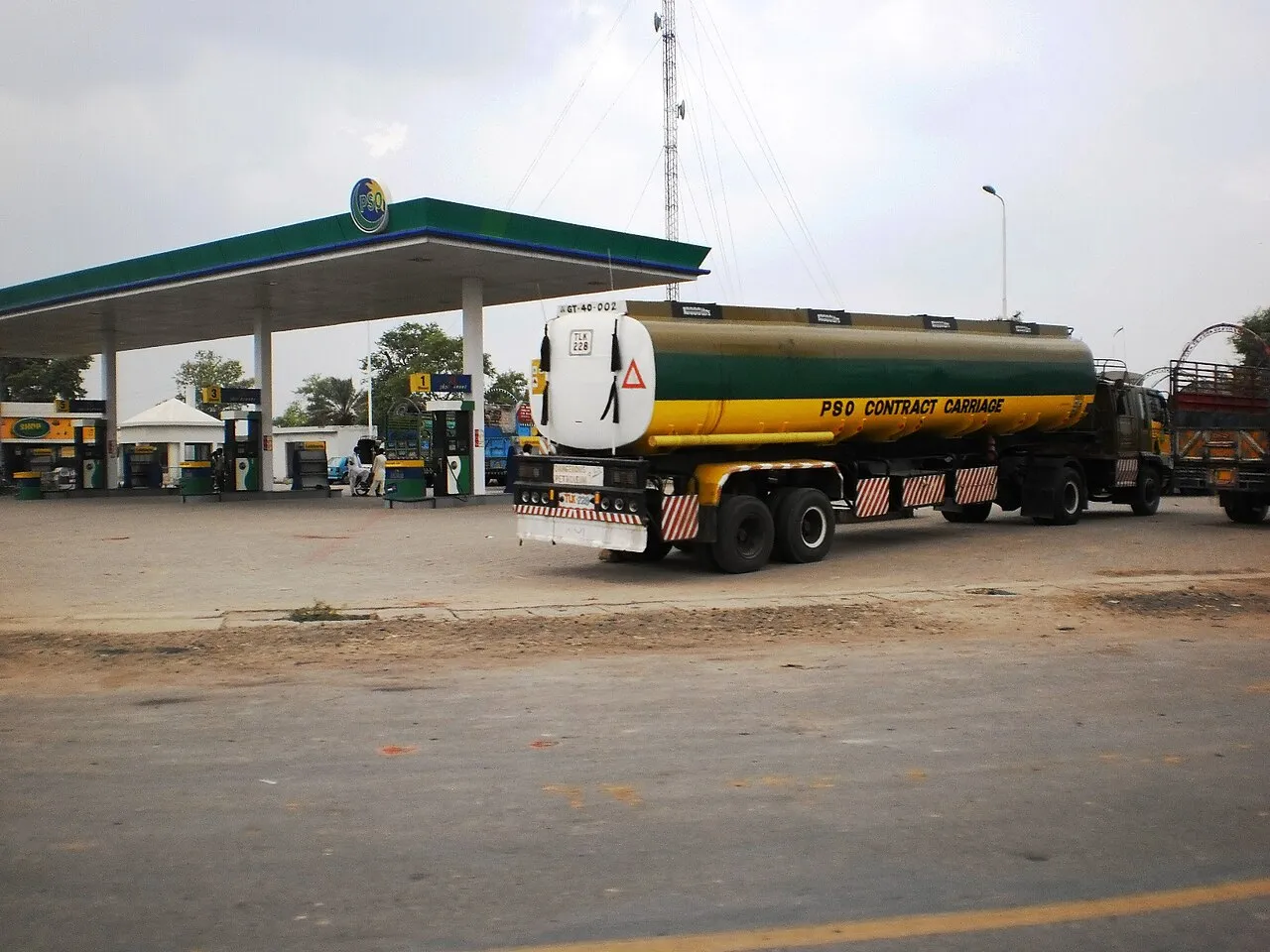
Archive station context, not a current price-board photograph.
Build a weekly commute worksheet
Start with the number of travel days, the return-trip distance and a measured or clearly assumed fuel-economy figure. Multiply days by return distance to obtain weekly kilometres. Divide by kilometres per litre to estimate fuel, then multiply by the actual rate relevant to the purchase.
Separate regular commuting from occasional trips. If an unusually long journey is included in the same average without a note, next week's budget may appear to change for no clear reason. A short description beside the entry can explain the difference.
Add a column for estimate or actual. An estimated commute cost should not silently become an observed expense. At the end of a week, compare the estimate with receipts and revise the assumption if appropriate. This creates a useful personal record without pretending that a general article knows a reader's vehicle or route.
Price change and budget change are different questions
A driver may spend more in one week because the rate increased, because more distance was travelled or because fuel use changed. The total paid alone cannot identify the cause. Keep quantity and rate separate if you want to understand the difference.
An illustrative comparison makes this clear. Buying ten litres at Rs300 costs Rs3,000; buying twelve litres at the same rate costs Rs3,600. The budget rose without any rate change. Conversely, buying fewer litres after a rate increase can hide the effect in a total that appears unchanged.
These are fictional figures used to explain the method, not historical Pakistan rates. Labelling examples protects readers from mistaking a teaching calculation for a notification. Every real price comparison needs an actual dated source for both sides.
Why a trend about a reduction needs a previous reference
The word “cut” implies a comparison. To quantify it, a report needs the earlier rate for the same product on comparable terms and the new effective rate. A general search phrase does not provide that evidence by itself.
This article therefore does not state a reduction amount that has not been checked against a matching official record. A current table can establish the listed current reference without establishing every step that led to it.
The same discipline applies when a social post combines petrol, HSD and another product into one dramatic percentage. Each product needs its own calculation and date. Averaging unrelated changes can create a headline that does not describe what any particular driver is actually buying.
Crude oil is not the same price as pump fuel
An international crude quote and a domestic retail fuel figure refer to different products and stages of supply. They may also use different currencies and units. A movement in one number cannot be copied directly into the other as though no conversion or intervening components exist.
When reading a claim linking them, ask whether it identifies the mechanism and the relevant dates. A barrel quote from one market and a per-litre retail figure from another time are not a complete calculation. This guide does not estimate an unverified pass-through rate or predict the next domestic decision.
For the broader reading method, see the Pakistan price-notification guide. That evergreen explanation is separate from this dated 12 November table and its worked examples.
Check a receipt with the right questions
Confirm the product, quantity, rate and total, then compare them with the station's displayed information for that transaction. Keep the receipt if you need to raise a query. A precise description is more useful than a claim based on a screenshot whose product and date are missing.
Do not publish payment details, card information or another person's identifying data while asking for help. A redacted example can show the relevant arithmetic without exposing information unnecessary to the question.
If the concern is about measurement or product quality rather than the rate, describe it separately. Different issues require different evidence. A price table cannot settle every possible dispute about a fuel purchase, just as a receipt total alone cannot establish how accurately a journey's fuel economy was measured.
Questions about the 12 November figures
What petrol and diesel figures did PSO list?
The dated table lists Premier Euro 5 at Rs335 per litre and Hi-Cetane Diesel Euro 5 at Rs364. Keep the freight qualification and product names attached. These are the reviewed reference figures, not a permanent live feed or an assertion about every outlet's final charge.
Is light diesel oil the same as the diesel used in every vehicle?
Do not treat separate product names as interchangeable. The PSO table lists LDO and Hi-Cetane Diesel separately. Use the appropriate product information for the vehicle and consult its manufacturer guidance rather than substituting a cheaper-looking entry from a general article.
Can I calculate a trip from distance alone?
You also need an appropriate fuel-use assumption and a relevant rate. Divide distance by kilometres per litre, then multiply by price. Label the result as an estimate, retain the assumptions and compare with your own records if you want to improve the budget.
Does this page establish the next price revision?
No. It explains a table effective on a specified date. A later official announcement needs to be checked separately. Predictions, older notifications and the dates on news pages should not be mistaken for a new rate already in force.
Keep the date with the number
When sharing a rate, include the product, source and effective date. That small habit makes the information more useful when someone reads it later. A bare figure labelled “today” can become misleading as soon as it is forwarded or indexed after the relevant period.
For more source-based financial-literacy explainers, visit the RayTech article collection. The aim is to make a fuel budget understandable through clear units and visible assumptions, while leaving actual purchases tied to current official information and the outlet's transaction record.
Compare like quantities before comparing expense
A useful final check is to calculate what the same quantity would cost at two independently verified rates. This isolates the price effect from a change in how much fuel was purchased. If quantity also changes, show that effect separately rather than attributing the entire difference to the rate.
For example, a family can keep one column for litres purchased and another for journeys completed. A holiday trip may explain a higher weekly total even when the rate is unchanged. This is a budgeting exercise, not a claim that every change in consumption has one predictable cause. Keep both the dated price source and the actual receipt available when reviewing the figures.
Sources
Image credits: cover: M Sohail Mian Hassani, source, CC BY-SA 4.0. Resized and converted to WebP. inline: Sunni Person, source, CC BY-SA 3.0. Resized and converted to WebP.
Found an error or an outdated detail? Report a correction with the article URL and original source.