
Pakistan–Sri Lanka Test: Rawalpindi Score Context and Venue Update
Read the PCB’s dated Rawalpindi Test checkpoint, Kusal and Kamindu Mendis distinctions, first-innings arithmetic and the second-Test venue update.
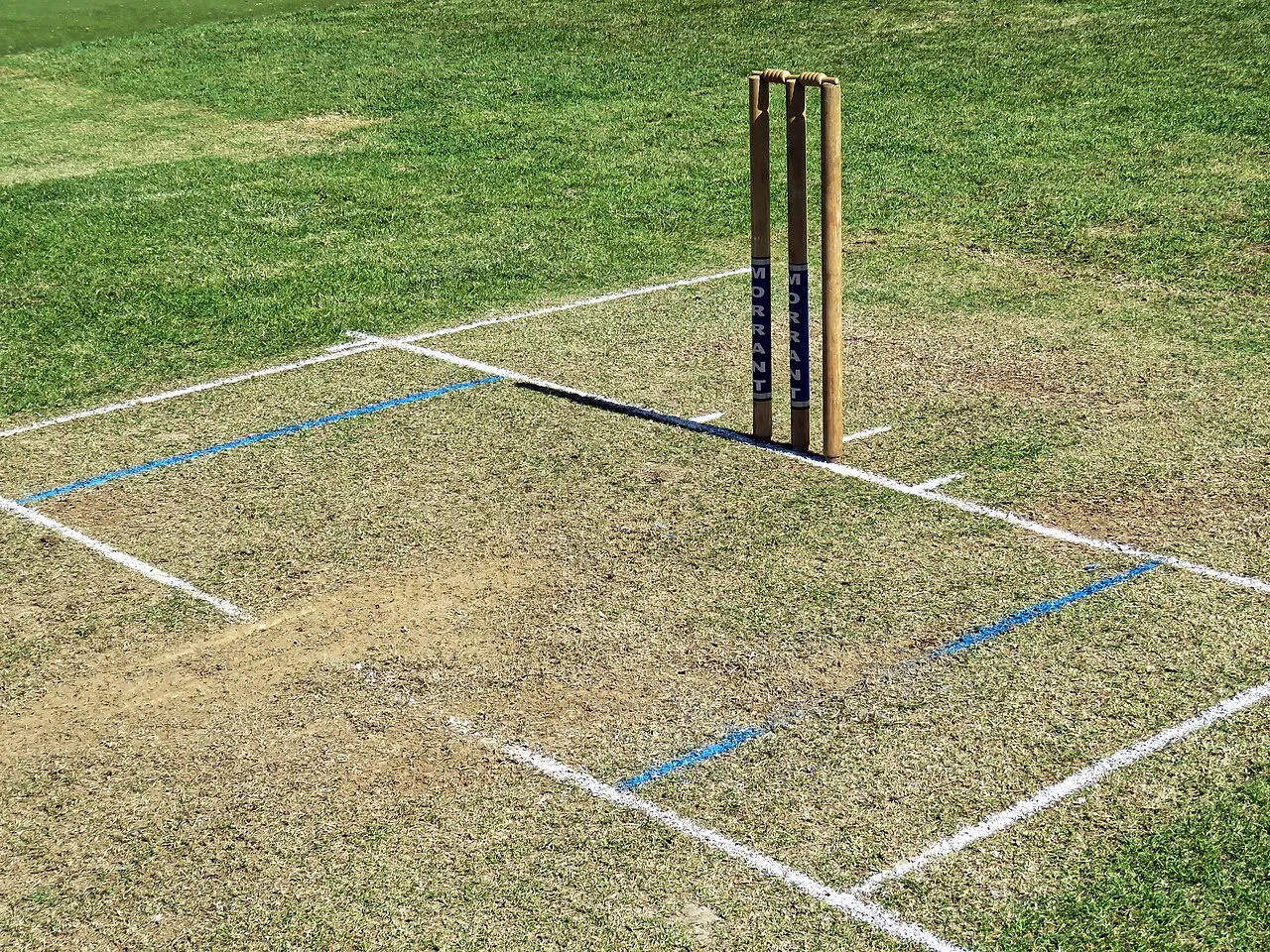
Pakistan–Sri Lanka: the verified Rawalpindi checkpoint
The PCB's report for 11 November 2026 records Sri Lanka closing day three of the first Rawalpindi Test on 404 for four, 30 runs behind Pakistan's 434 for nine declared. Dhananjaya de Silva and captain Kusal Mendis had unbeaten centuries. This is a dated day-three account, not a claim that those figures remain the current live score.
That boundary is important on a static page. During an ongoing Test, a score can change while an article is being read. Readers wanting the latest position should use the official match centre. This guide explains the confirmed checkpoint, the difference between the two Mendises and the separate announcement concerning the next Test's venue.
It also avoids a common error: a lead, a strong partnership and a match victory are different things. None should be substituted for another merely because one team appears comfortable at a particular interval.
The score and the match situation
| Item | PCB's day-three report |
|---|---|
| Ground | Rawalpindi Cricket Stadium |
| Pakistan first innings | 434/9 declared |
| Sri Lanka at the close | 404/4 |
| First-innings deficit | 30 |
| Main batting story | Unbeaten centuries for de Silva and Kusal Mendis |
The deficit is simple subtraction: 434 minus 404 equals 30. It describes the first-innings relationship at that point. It is not a target for winning the whole Test, because the match can include further innings and other decisions.
A declaration is also different from being dismissed. Pakistan's nine wickets and the “declared” notation indicate a decision to end the innings. Removing that notation from a summary loses information about how the team managed time and opportunity.
Kusal Mendis and Kamindu Mendis are different players
The PCB identifies captain Kusal Mendis as one of the unbeaten centurions. Kamindu Mendis made 58 before Mohammad Abbas dismissed him. The shared surname can create confusion in short headlines, but the scores and roles should remain attached to the correct players.
When reading a scorecard, use full names before shortening them in notes. The same principle applies to repeated surnames in any side. A search for “Mendis century” may surface another match or another player, so context is necessary before adding a number to a report.
The day-three account says Pakistan found one breakthrough during that day's play. That is a description of a particular period, not a statement that Pakistan had taken only one wicket in the entire Sri Lankan innings. Check whether a statistic refers to a session, a day or the full innings.
Why a large first-innings partnership matters
A sustained partnership can narrow a deficit while requiring the fielding side to spend time and energy searching for a breakthrough. It can also change the range of options available later. However, the eventual effect depends on what happens after the partnership and how much playing time remains.
A balanced analysis should not invent a pitch diagnosis from the total alone. A high score may reflect several factors, including batting quality, bowling execution and conditions. A technical assessment needs more than a scoreboard, especially before assigning a single cause to a day's outcome.
For learners, watch how the match problem changes. Early in an innings, survival and rebuilding may dominate. As the deficit shrinks, the possibility of a lead becomes relevant. Later, time can become as important as runs. Test cricket rewards understanding those changing tasks rather than treating every over as an isolated scoring contest.
The second Test's venue is a separate news item
The PCB's relocation announcement, reported by AP, moves the second Test from Lahore to Rawalpindi because of poor air quality. The stated dates are 17–21 November. That decision concerns the next fixture and should not be confused with a relocation of the first match already taking place in Rawalpindi.
A venue change can affect travel plans, but an article should not invent refund instructions or ticket-transfer rights. Anyone with a booking should consult the board and relevant ticket provider for the current arrangements.
The environmental reason also deserves precise language. A dated air-quality report is not a permanent reading for every neighbourhood or every day. This match guide does not offer a medical assessment of an individual's exposure or replace current official health and weather advice.
Following the rest of the match
Check the date and session displayed with any score. A page marked “result” may still contain a lunch-break line in a poorly maintained feed. Conversely, a genuine board report can deliberately preserve an earlier day's position as part of the match history. Those situations should not be treated as identical.
Keep first-innings lead calculations separate from a later chase. If a team bats again, use the complete sequence of innings to determine the target. Do not copy the difference between the first two totals and call it the final winning requirement.
More Pakistan cricket explainers are available in the RayTech article collection. The most reliable reading combines a clearly dated report with an official current scorecard, allowing both the history and the live position to retain their proper meaning.
Illustrative cricket equipment, not a photograph from the current series.
Understand the difference between a deficit and a target
At the reported close, Sri Lanka were 30 behind Pakistan's first innings. That is an accounting relationship between the two innings so far. It does not mean Sri Lanka needed only 31 runs to win the match. Test cricket normally involves another innings for each side, subject to the match's actual course and applicable conditions.
A fictional example makes the distinction clearer. Suppose Team A scores 300 and Team B replies with 320. Team B has a first-innings lead of 20. If Team A then scores 200, Team B's eventual chase is based on the combined totals, not simply the first-innings difference. The target would be 181 in this simplified example.
That illustration is not a prediction for Rawalpindi. Its purpose is to show why a report should attach the words first innings to a lead or deficit. Removing those words can make a genuine score appear to describe a completely different match situation.
When following a Test over several days, keep each innings on a separate line. Record declarations and completed dismissals explicitly. This small habit prevents a surprisingly common error in which a later innings score is compared directly with the wrong earlier total.
Why a declaration changes the time problem
A declaration ends an innings by choice rather than waiting for all available wickets to fall. The decision can trade the opportunity for more runs against the opportunity to bowl while time remains. It is therefore a strategic act, but its wisdom cannot be established merely by repeating the word aggressive.
Consider an imaginary captain deciding between another hour of batting and an hour of bowling before a break. More runs might strengthen the score. More bowling might create a chance to take wickets under conditions the captain considers favourable. The relevant judgement depends on the match context and information available at that moment.
An observer reviewing the decision later should avoid pretending that the captain knew the eventual outcome in advance. Evaluate the options that were available, then distinguish the quality of the decision from the success of its execution. A reasonable plan can meet strong opposition; an optimistic plan can occasionally benefit from unexpected events.
The 434 for nine declared notation belongs in the Rawalpindi checkpoint because it records how Pakistan's innings ended. It does not, by itself, reveal every reason behind that choice. A technical account would need attributed explanation or fuller evidence before presenting a particular motive as established fact.
Partnerships are more than two individual totals
A partnership describes runs added while two batters are together. The figure can include extras, so it should not automatically be calculated by adding their final individual scores. One batter may have scored runs before the partnership began, and another may continue after it ends.
This matters when reading about de Silva and Kusal Mendis. Their unbeaten centuries identify major individual contributions at the checkpoint. A separate partnership figure would need its own confirmed record. It should not be manufactured by simply combining the most prominent numbers in a headline.
At a broader level, a partnership can change the work required of the bowling side. Field placements, bowling changes and the new ball may become relevant considerations. Without a verified sequence, however, these remain areas to investigate rather than explanations that can safely be asserted for a particular session.
For a classroom discussion, ask what information would help answer a tactical question. If the question concerns scoring against spin, look for the relevant bowling breakdown or footage. If it concerns running between wickets, a total alone is insufficient. Choosing evidence that matches the question is a useful skill beyond cricket.
Read a bowling analysis with its units intact
Bowling figures usually connect overs, maidens, runs conceded and wickets. A shorter summary may show only wickets and runs. Neither format should be read as though it describes every delivery. The labels tell you what has been counted and which part of the match the numbers cover.
An economical spell can apply pressure without producing an immediate wicket. A wicket-taking spell can also concede runs. To discuss either contribution fairly, retain both dimensions rather than selecting only the column that supports a preferred conclusion.
The difference between a day's wickets and an innings total is especially important in this report. A statement that one wicket fell during day three does not erase dismissals on earlier days. Keep the interval visible whenever a statistic is described as today's, this session's or the innings total.
If a graphic leaves out the interval, check its source before forwarding it. A familiar team name and a correct player photograph do not compensate for an incorrectly labelled number. A precise plain-text update is preferable to an attractive but ambiguous scoreboard.
Plan around a venue change without inventing the arrangements
The announced move of the next Test changes the place spectators would need to reach. It may also create questions about tickets, accommodation and transport. Those practical questions are real, but the relocation announcement should not be treated as a complete answer to every booking issue.
Someone planning attendance can make a short checklist: confirm the fixture's current venue, inspect the ticket provider's instructions, check transport availability and retain booking references. This is a planning method, not a promise that any particular ticket will be transferable or refundable.
Do not use an older Lahore venue listing to override a later official relocation. Equally, do not assume that every match in the tour has moved because one has. Identify the exact fixture and dates when comparing announcements.
The environmental explanation also deserves respect for its limits. An event organiser can change a venue in response to conditions without an article supplying invented readings, personal risk estimates or a forecast for every subsequent day. Use current official information for decisions that depend on immediate conditions.
A three-day reading exercise
Create a simple chronology with one row for each completed day. Record the innings, score, wickets and whether the account is a close-of-play report. Leave a space for the source's publication time. The sequence will show how the match developed without forcing every update into the language of victory and defeat.
Then write a sentence explaining what changed between two checkpoints. It might identify a reduced deficit or a completed innings. Avoid adding a cause unless the source supports it. This keeps the distinction between observation and interpretation visible.
Finally, check whether your newest row actually contains the newest verified information. A report published later can discuss an earlier day, while a live score can update without a new article date. Read the event time as well as the page date. That habit is particularly useful when a Test spans several days and readers arrive through cached search results.
Preserve the day-three boundary in a later discussion
If you encounter this page after the match has advanced, use the checkpoint as part of the chronology rather than as the latest score. A later result does not make an accurately dated earlier position false. It changes the question the record answers. Keeping that boundary visible allows a reader to follow how the match developed while obtaining the current outcome from the completed official scorecard.
Sources
Image credits: cover: Acabashi, source, CC BY-SA 4.0. Resized and converted to WebP. inline: Acabashi, source, CC BY-SA 4.0. Resized and converted to WebP.
Found an error or an outdated detail? Report a correction with the article URL and original source.