
PlayStation Store Sale Guide: Products, Subscriptions and Checkout Checks
Verify PlayStation Store sale terms, distinguish games from add-ons, compare editions and check subscriptions and refunds before a digital purchase.
A PlayStation Store sale is useful only when the offer matches the right account, product and conditions. A discounted add-on is not necessarily a discounted full game, and an advertised subscription benefit is different from a permanent purchase. Checking those distinctions before checkout is more valuable than relying on the largest percentage printed in a promotional image.
This guide was reviewed on 5 November 2026. It explains how to verify a Black Friday or other seasonal offer through the official Store and support pages. It does not announce an unverified 2026 sale date, invent discount prices or promise that an offer applies to every country. The examples use fictional products and amounts.
Where should a seasonal offer be verified?
Start with the official PlayStation Store associated with the account and the relevant product page. A search snippet, reposted screenshot or old deal article may omit eligibility conditions or continue circulating after an offer ends. The checkout information is especially important because the visible promotion may describe a broader campaign rather than one selected item.
Write down the offer period, region, product name and any account requirement. If the information is missing, treat the deal as unconfirmed instead of supplying dates from memory. A previous year's Black Friday schedule does not establish the current year's campaign, even when the event name is identical.
For a classroom exercise, create two fictional advertisements with the same artwork but different expiry dates. Ask which fields a shopper needs before comparing them. The exercise teaches that a recognisable design can coexist with materially different conditions, so visual familiarity alone is weak evidence that a deal remains valid.
Is the product a full game, an edition or an add-on?
Read the product type before considering the price. A full game, an expansion, a cosmetic item and a virtual-currency package perform different jobs. An inexpensive add-on can be unusable without the required base product. The product description should identify prerequisites; a cover image may not make them obvious.
Imagine a fictional title called Harbour Builder. The base game costs one amount, while a Harbour Builder expansion has a separate discounted listing. Buying the expansion is not the same as buying access to the full game. This distinction is about product scope, not whether either price represents good value.
Make a checklist containing product type, required base game, supported platform and included content. Complete every field from the official listing. If an advertisement uses a familiar title but the listing describes an accessory or add-on, preserve the distinction rather than describing the offer simply as the game is on sale.
Why do editions need careful comparison?
Different editions can bundle different content or licences. A more expensive edition may include content a user already has, while a cheaper one may omit something they expected. Names such as deluxe or ultimate are not standard technical definitions that guarantee identical inclusions across publishers and games.
For a paper comparison, invent standard and collector editions with explicitly listed items. Mark which items are essential to the fictional user's requirement and which are optional. Then compare the actual bundles. This prevents a larger bundle name from replacing a clear understanding of what the purchase contains.
Do not infer upgrade eligibility from artwork. If an upgrade path matters, read the official product information and support terms for the precise version. Keep uncertainty visible. It is safer to leave an upgrade claim unconfirmed than to present a general rule that may not apply to the selected title.
How should platform and compatibility be checked?
The product listing identifies supported platforms and other relevant requirements. Owning a PlayStation-branded device does not by itself establish that every Store item is compatible. A product can have a specific platform version, online requirement or accessory dependency that changes whether it meets the user's needs.
Write the device and product version in separate fields. For a fictional example, a user may own a physical edition while an advertised discount applies to a different digital product. That difference needs to be resolved through the actual listing, not by assuming that matching names guarantee matching entitlements.
For downloadable content, also check the publisher's compatibility information. Avoid advice to create misleading account details or bypass regional restrictions. The goal is to understand legitimate product conditions and use supported purchasing routes, not to find a workaround for an offer that does not apply.
What does a percentage discount really mean?
A percentage discount expresses a reduction relative to a stated reference price. It does not establish that the product is suitable, historically cheapest or affordable for every reader. A reliable comparison records both the reference and final price, along with the product and offer period.
Consider an invented price of eighty units reduced to fifty. The reduction is thirty units, and thirty divided by eighty is 37.5 percent. A second item falling from twenty to ten has a larger percentage reduction but a smaller absolute saving. The comparison depends on which quantity the question asks about.
These figures are not PlayStation prices. They illustrate why biggest percentage and most money saved answer different questions. Even a correct discount calculation should come after confirming the exact product, requirements and total payable amount. Arithmetic cannot rescue a purchase that does not meet the intended need.
How is a subscription different from a purchase?
A subscription provides access or benefits according to its current terms and the account's status. A purchase provides the licence described by the product's terms. Access through a subscription should not automatically be described as permanent ownership of every item shown in a catalogue.
Create three fictional labels: purchased separately, available while membership conditions apply, and trial access. Ask students to place each example under the correct label using a short set of invented terms. The exercise makes the entitlement boundary visible without assuming that all real subscription offerings use identical rules.
If a sale requires a particular membership, record that condition beside the price. A screenshot displaying a member price should not be rewritten as the universal price. Also check whether a subscription renews and what the official cancellation process does. Cancelling future renewal and reversing a completed charge are different questions.

A cobalt-blue DualSense controller, shown as hardware context; no current discount or bundle is implied.
Where can subscription renewal be managed?
PlayStation's official support provides subscription-management guidance. Use the current instructions for the relevant account and platform rather than trusting an unrelated message that requests account credentials. The purpose of the check is to understand the subscription's status, renewal details and available management actions.
Keep a record of the actual confirmation when changing a subscription setting. An attempted click and a completed account change are not identical. If the status remains unclear, use official support routes. This guide cannot inspect a reader's account or promise the outcome of an individual cancellation request.
For an offline exercise, draw a timeline showing initial purchase, membership period, renewal date and a request to stop future renewal. Mark which dates concern access and which concern billing. A timeline often explains the issue more clearly than a sentence that uses cancelled without saying what changed.
Can every digital purchase be refunded?
Do not assume that every purchase is refundable under identical conditions. PlayStation publishes cancellation and refund information, and the applicable terms depend on the product, purchase circumstances and jurisdiction. Readers should use the official policy rather than rely on a blanket promise from a deal article.
Before downloading or using a product, review the relevant terms if refund eligibility matters. This is a prompt to read the policy, not a legal conclusion about a specific transaction. A support page can explain the process while the actual outcome still depends on the facts of the request.
In a fictional classroom case, record what was bought, when, what actions followed and what confirmation exists. Those facts make a support query understandable. Posting passwords, full payment details or one-time codes publicly does not help establish a refund claim and creates an unnecessary account-security risk.
How can misleading sale messages be spotted?
Be cautious when an unsolicited message uses urgency to request a password, payment details or an authentication code. Navigate independently to the official website or app instead of treating a familiar logo as proof that a message is genuine. A copied design is not evidence of account authority.
For a safe exercise, compare a fictional legitimate product page with a fictional message demanding credentials to unlock a discount. Identify the unnecessary request and the pressure tactic. Do not click suspicious live links or submit real credentials to test whether a message is fraudulent.
Account protection also includes controlling who can authorise purchases and understanding available family settings. Use current official support for the appropriate configuration. A short article should not improvise account-recovery steps or promise that one setting eliminates every risk. Good security involves both suitable controls and careful handling of credentials.
What belongs in a pre-checkout checklist?
Confirm the account, region, currency, exact item, included content, platform and prerequisites. Then review the final total, membership condition and any renewal information. If several products have similar names, compare the detailed listing rather than the small card shown in a search result.
Use a fictional budget of sixty units. A base game at forty-five and an optional expansion at twenty totals sixty-five, even if both cards show a discount. Separately discounted items can still exceed a budget. A simple addition is sometimes more important than another discussion of promotional percentages.
Keep the final confirmation through an appropriate private account record. A public social-media post is not a suitable place for sensitive transaction details. If support is needed later, use official channels and provide only the information those channels legitimately request. Evidence and privacy can be preserved together.
How should a seasonal-deal article stay useful after the event?
A deal article should show when information was checked and distinguish verified offers from general purchasing guidance. If the campaign ends, the article should not continue presenting old prices as active. Educational guidance can remain useful, while time-sensitive facts require review and accurate status labels.
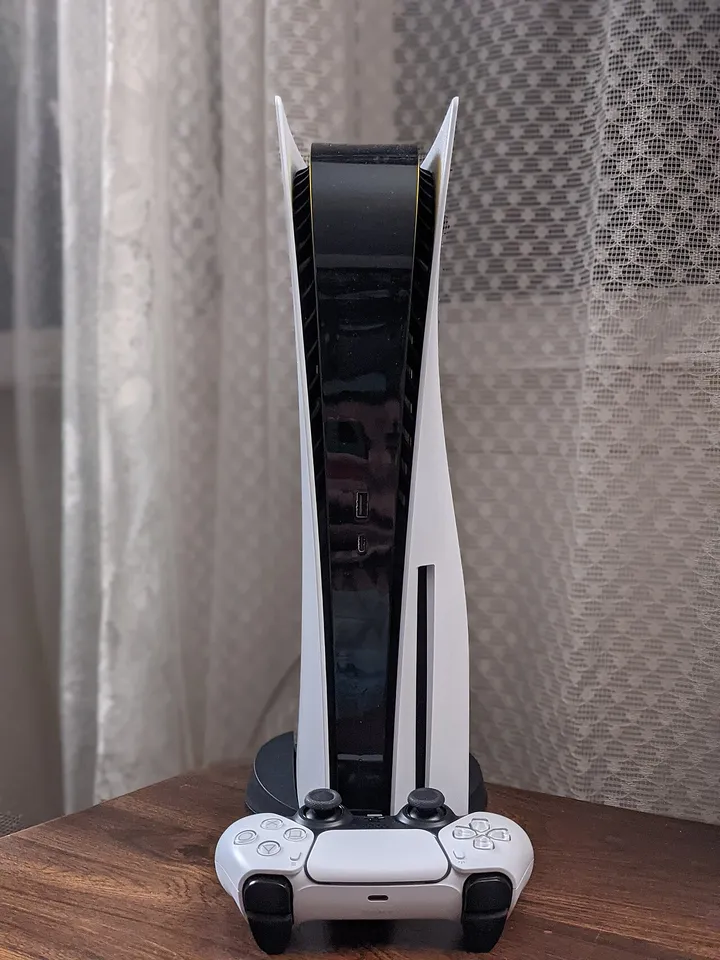
Historical screenshots need historical captions. A photograph of a console or controller illustrates hardware; it does not prove that a current Store discount exists. That is why this guide uses product-context images without inventing a live promotional banner or suggesting that a pictured device is included with a digital purchase.
Students can practise these comparison skills using study resources or build a fictional offer-comparison table through our programming courses. The exercise requires no purchase. Its aim is to read conditions carefully and perform transparent calculations before making a decision.
Questions readers commonly ask
Does Black Friday guarantee the year's lowest price? No guarantee is established here. That claim would require reliable price history for the exact item and market. A seasonal label is not sufficient evidence. Compare verified terms and the user's actual requirements instead of assuming the event name settles the question.
Can a full-game cover appear on an add-on listing? Artwork alone is not the product definition. Read the official type and requirements. A careful shopper checks the detailed description even when the picture and title look familiar, especially when an offer seems unusually inexpensive.
Should someone share an authentication code to receive a discount? No. Treat requests for account secrets with caution and use official account and support channels. A legitimate product comparison can be performed without publishing passwords or giving an unknown sender control of the account.
Practise with a fictional shopping basket
Write three imaginary listings: a full game, an expansion requiring that game and a recurring subscription. Give each a clearly invented price and an explicit condition. Ask a learner to build a basket that meets a stated need within a budget, then explain which items they rejected and why.
The strongest answer checks product scope before adding the prices. It also identifies a recurring commitment separately from a one-time payment. If a condition is missing, the correct response is to request clarification, not to guess. This exercise needs no account credentials or purchase and demonstrates why careful reading can be more valuable than chasing a larger discount label.
Sources
- PlayStation Support: Store and refunds
- PlayStation Support: requesting a Store refund
- PlayStation Support: cancelling a Store subscription
- PlayStation: cancellation policy
Image credits: cover: Osh33m, source, CC BY-SA 4.0. Resized and converted to WebP. inline: Sonson2, source, CC0. Resized and converted to WebP.
Found an error or an outdated detail? Report a correction with the article URL and original source.