
Shaheen Afridi Rises to Fifth: The November 2026 ODI Bowling Ranking Explained
Check Shaheen Afridi’s rise to fifth in the 4 November ODI update, and learn how ranks, ratings, bowling figures and cricket formats differ.
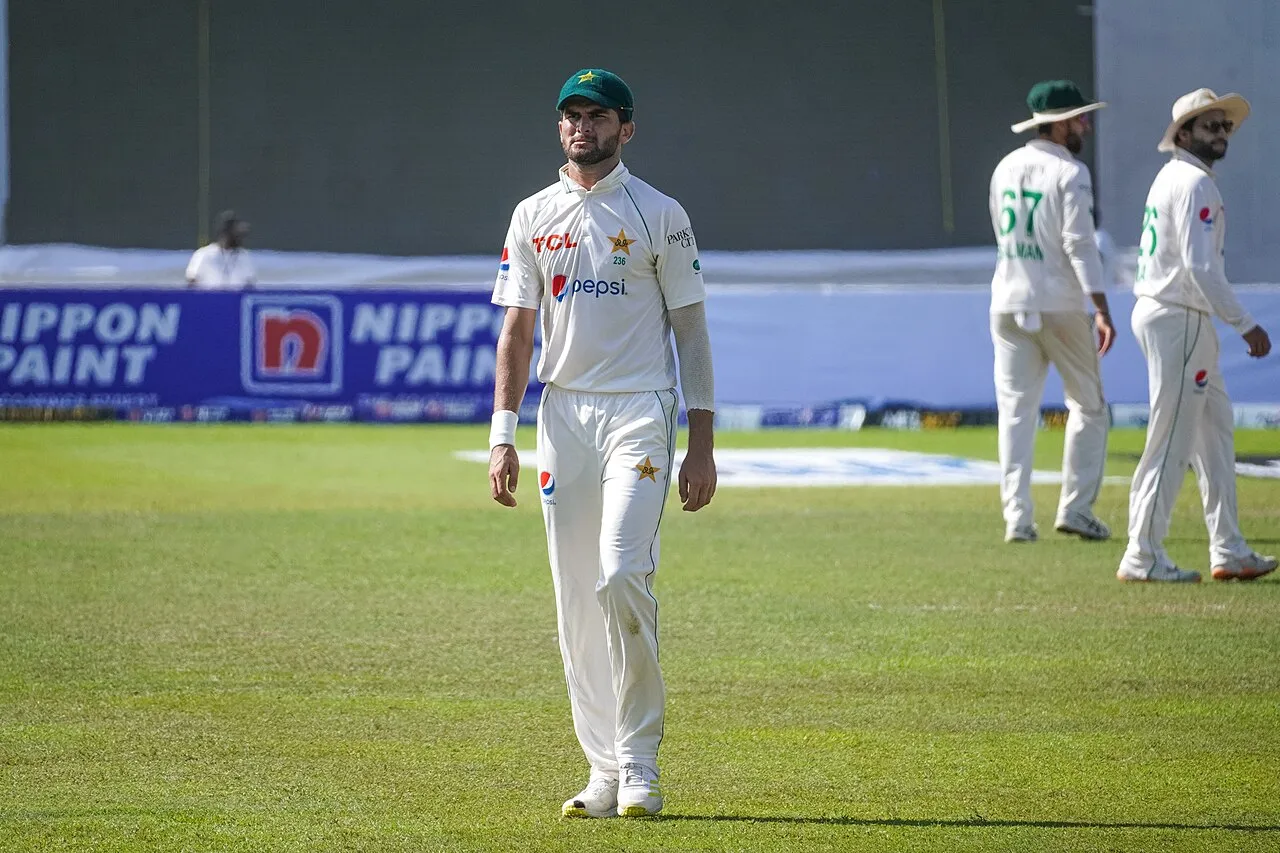
Shaheen Afridi moved up one place to fifth in the ICC men's ODI bowling rankings in the update published on 4 November 2026. That is the specific ranking change behind this article. It is not a claim that he became the leading Test bowler or that every cricket format shares one player table.
For Pakistan supporters, the headline is easy to recognise but the details deserve a closer look. A player's rank, rating, recent wickets and team results describe related but different things. Understanding those differences makes it easier to follow Shaheen's progress without being misled by an old screenshot or a table from another format.
What changed in Shaheen Afridi's ODI ranking?
The ICC's dated update puts Shaheen fifth, one position higher than before, following the recent ODI tri-series in Pakistan. The same report places Haris Rauf 24th after a five-place rise. Those are ODI bowling positions from that release, not a permanent ranking or a prediction of the next update.
| Question | Answer for this article |
|---|---|
| Player | Shaheen Afridi |
| Ranking category | Men's ODI bowling |
| Position in the update | Fifth |
| Movement | Up one place |
| Source date | 4 November 2026 |
| Related Pakistan movement | Haris Rauf rose to 24th |
| Exact rating points | Not reproduced here without the dated table |
Keep the category next to the number. Saying only that a player is fifth in the world leaves the reader to guess whether the writer means batting, bowling, all-round performance or even a team ranking. The complete claim is more useful and takes only a few additional words.
Why ODI, Test and T20I rankings are separate
Cricket formats place different demands on a bowler. A spell in a five-day match and a spell in a shorter international do not take place under identical constraints. Ranking categories preserve those distinctions rather than treating every appearance as part of one universal contest. A strong position in one category does not automatically transfer into another.
The practical reading rule is simple: check both the format and the discipline before comparing players. If one screenshot says men's ODI bowling and another says men's Test bowling, their position numbers cannot establish who is ranked above the other within a shared table. They are positions in different lists, even when both players are fast bowlers.
This matters particularly in a week when several tables change at once. A news roundup may discuss Test, ODI and T20I movement in successive paragraphs. Copying a name from the first paragraph and a position from the third can create a false headline. Read the table heading as carefully as the player name.
Rank is a position; rating is a numerical measure
A rank tells you where a player stands relative to others in a specified list. A rating supplies the numerical measure used to order that list. Moving from sixth to fifth is a change of position. It does not mean the player gained exactly one rating point, and it does not reveal the gap to fourth.
Consider an invented example, not an ICC table. Bowler A has a rating of 700, B has 699 and C has 650. A one-point change near the top could rearrange A and B. Elsewhere, a larger improvement might leave C in the same position because the gap remains substantial. Position changes alone do not measure the size of a performance improvement.
For that reason this article does not add a rating number from an undated social post. A position and a rating should come from the same category and reference date. Combining a newly reported rank with an older points total creates a row that may never have existed in an official table.
What does an upward movement prove?
It establishes that the player's position improved between the relevant ranking snapshots. It does not by itself identify a single delivery, match or tactical change as the entire cause. The update comes after a period of international play, while the ranking system is broader than a raw count of wickets in one spell.
An honest match discussion can still look at recent performances. The important step is to separate what the table records from what an analyst infers. A statement that a new-ball spell looked threatening is an evaluation that should be supported with match evidence. A statement that the player occupied fifth place is a table claim.
Neither should be inflated into a guarantee. A favourable ranking does not ensure wickets in the next fixture, just as a poor day does not erase a player's entire record. The ranking is one summary measure of performance in a defined category, not an advance scorecard for a match that has not happened.
How to read a bowling scorecard alongside the ranking
Start with four basic entries: overs, maidens, runs conceded and wickets. Then check the format and match result. A bowling figure gives the record of a particular innings. A ranking gives a player's comparative position across the system's assessment. They answer different questions and work best when read together rather than substituted for each other.
For a fictional ODI spell of ten overs, 45 runs and two wickets, the economy rate is 4.5 runs per over. The runs-per-wicket figure for that spell is 22.5. These calculations describe that spell only. They are not Shaheen's figures and must not be added to his statistical record simply because they appear in an article about him.
The example also shows why wickets alone can be incomplete. Two bowlers may take the same number while conceding different totals. Their overs can occur in different stages of the innings. Full analysis needs the score at entry, the remaining resources and the actual deliveries, not a single isolated column.
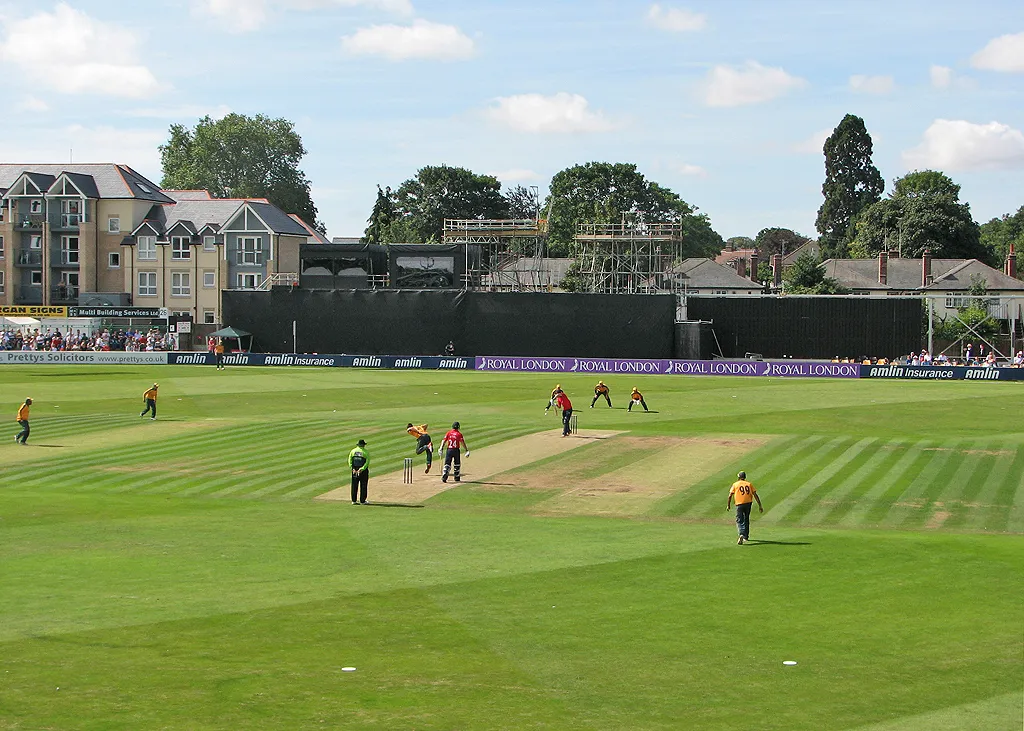
Historical white-ball cricket at Chelmsford, used as illustrative format context; it is not a Pakistan tri-series photograph.
Strike rate and economy answer different questions
Bowling strike rate measures deliveries per wicket. Economy measures runs conceded per over. A bowler can be particularly effective at limiting scoring without taking many wickets in one game, or take important wickets while conceding runs. Describing one of these as the whole meaning of bowling quality makes the analysis unnecessarily narrow.
Use the same fictional ten-over spell. Sixty legal balls divided by two wickets gives 30 balls per wicket. The economy remains 4.5. If a second fictional bowler delivers ten overs for 30 runs and one wicket, the economy is three but the strike rate is 60. Which contribution was more valuable depends on the match situation.
Do not use that exercise to reverse-engineer ICC rating points. The public scorecard calculations here are introductory statistics, not a reproduction of the ranking model. They help students ask better questions about performance while recognising that a separate system produces the published order of players.
Why match conditions matter to interpretation
Numbers acquire meaning in a situation. The same conceded total can look different on a day when both teams score freely and on a day when batting is difficult. A bowler operating near the end of an innings faces different scoring intentions from one bowling to a cautious opening pair. These are analytical considerations, not claims about an unobserved Shaheen spell.
Avoid filling those gaps with stock phrases. Saying that a bowler mastered reverse swing, exploited dew or bowled through an injury requires evidence about the actual match. A ranking announcement alone supplies none of those details. It is better to explain what remains unknown than to make the report sound more dramatic by inventing conditions.
For a classroom comparison, gather two complete scorecards and note where each spell occurred in the innings. Then compare economy, wickets and the team situation. The exercise teaches context without pretending that one statistic can capture every aspect of fast bowling or every contribution made by teammates.
A Pakistan supporter’s checklist for ranking screenshots
First inspect the table title, then the publication or update date. Next find the player's complete name and the row's position. If rating points are visible, keep them with that same row. Finally check whether the screenshot is an official table, a news organisation's reproduction or a supporter's graphic with no attributable source.
Dates matter even when the design looks authentic. A screenshot can remain online long after its contents stop being current. Shared images may also crop out the category heading. If that heading is missing, do not fill it in from memory. Open the official rankings section and choose the required format before repeating the claim.
There is no need to accuse the person who shared an old image of deliberate deception. Often the problem is simply lost context. Respond with the full dated statement and the source. That corrects the information while keeping the conversation focused on cricket rather than speculation about motives.
How to compare Shaheen and another bowler fairly
Choose one category and one reference date. Then compare positions or ratings from that table. If discussing recent match performance, add a separate set of scorecards covering a stated period. Do not select one player's best month and another player's entire career and describe the resulting comparison as balanced.
Even a fair comparison has limits. A ranking does not isolate fielding support, leadership responsibilities or every difference in opposition. Conversely, those contextual factors should not become excuses to dismiss an unfavourable number without evidence. A useful analysis makes the comparison reproducible and acknowledges what it cannot settle.
Try writing the claim as a question before answering it. Are you comparing current ODI standing, economy during a particular series, or career wickets? Each question needs different data. Much of the confusion in online debates comes from moving between those questions while continuing to use the same word, best.
What should readers watch for in the next update?
Look for another dated ICC release or a newly updated official table. A subsequent position can confirm whether Shaheen retained, improved or lost the place described here. It should be reported as a new snapshot rather than silently changing the meaning of the 4 November announcement. Historical dates keep successive developments understandable.
Do not assume that any single result will produce a specified movement. Without a published calculation, predicting an exact rise would be speculative. It is reasonable to say that future international performances are relevant to future assessments; it is not reasonable to promise a top position in exchange for a guessed wicket total.
For learners keeping a spreadsheet, store date, category, player, rank and rating in separate columns. Leave unverified points blank rather than entering zero. A blank means the value was not recorded; zero is a number with a different meaning. That small data habit prevents misleading charts and comparisons later.
Common questions about Shaheen's ranking
Was Shaheen number one in this update?
Not in the ODI bowling position reported here. The 4 November update places him fifth. A separate Test-bowling headline in the same ICC roundup concerns Mitchell Starc. It should not be attached to Shaheen's name or used to rewrite the ODI table.
Does fifth place mean fifth-highest wicket total?
No. A ranking position is not interchangeable with a cumulative wicket leaderboard. Always check the label on the statistic being discussed. Career wickets, series wickets, an individual innings and an ICC ranking are four different records, even though all can appear in coverage of the same player.
Can students reproduce the arithmetic examples?
Yes. The fictional spell calculations are designed for practice with ratios and units. Label them as examples, keep them away from the player's factual scorecard, and state the denominator each time. That approach makes the lesson useful without manufacturing a performance or an official rating formula.
Explore study resources for more work with percentages and tables, or read other cricket explainers. The reliable summary is short: Shaheen rose to fifth in men's ODI bowling in the ICC update dated 4 November 2026; later rankings need their own date and source.
Sources
Image credits: cover: Nazly Ahmed, source, CC BY-SA 4.0. Resized and converted to WebP. inline: Chelmsford: white-ball cricket by John Sutton, source, CC BY-SA 2.0. Resized and converted to WebP.
Found an error or an outdated detail? Report a correction with the article URL and original source.