
Sleep for Students: How Much You Need and a Routine That Fits Your Day
Plan student sleep around classes, travel and revision. Check age-based sleep needs, realistic evening routines and signs that deserve medical advice.
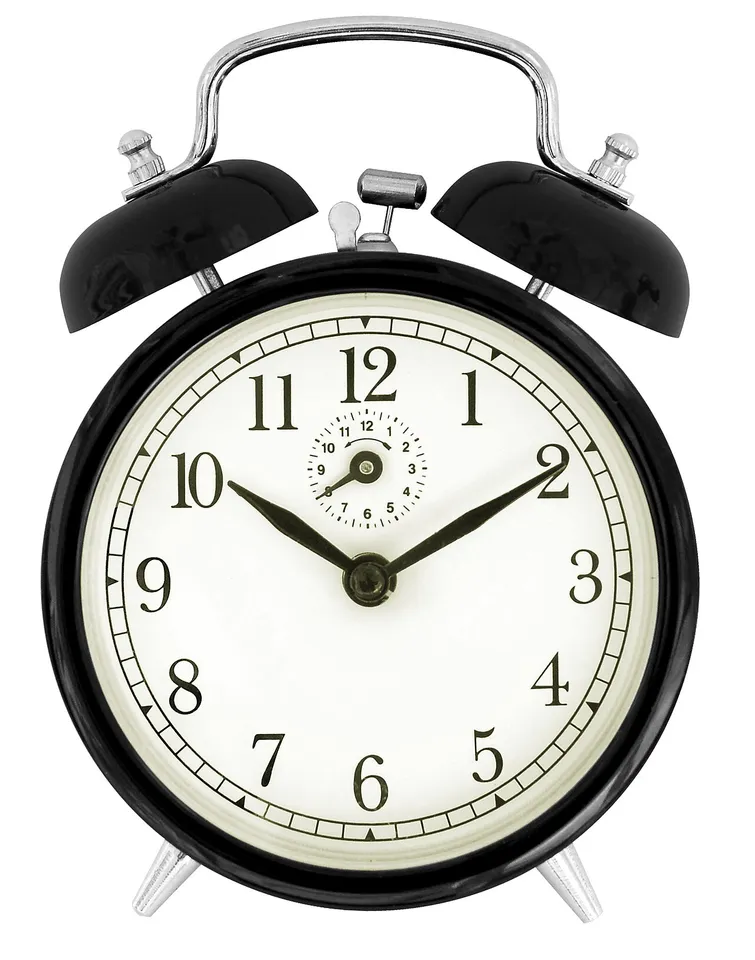
For students, a workable sleep routine begins with enough time to sleep, not a trick for staying awake longer. CDC guidance recommends 8 to 10 hours for teenagers aged 13 to 17 and at least 7 hours for adults aged 18 to 60. Persistent tiredness or disrupted sleep deserves attention even when a timetable looks adequate.
If revision keeps pushing bedtime later, the useful question is not simply how to feel less sleepy tomorrow. It is which part of the day needs rearranging so that studying and sleeping can both happen. This guide combines age-specific guidance with practical planning examples for students managing classes, travel, homework and shared rooms. It is general education, not an individual diagnosis or prescription.
How much sleep do students need?
| Age | CDC daily recommendation |
|---|---|
| 6 to 12 years | 9 to 12 hours |
| 13 to 17 years | 8 to 10 hours |
| 18 to 60 years | 7 or more hours |
The age bands matter. A younger sibling and a university student should not automatically share the same target. The figures also describe sleep, not just time spent lying in bed. If someone spends a long period awake after switching off the light, their actual sleep can be shorter than their planned window.
A recommendation is a starting point for planning, not a contest to reach the smallest acceptable number. Nor does one successful exam after a short night establish that short sleep is a good long-term strategy. Health guidance concerns a repeatable pattern, while a single exam result has many possible influences.
Begin with the morning you actually have
Imagine a fictional student, Ayan, who must leave home at 7:00 am. Dressing, breakfast and collecting his things take an hour, so the realistic wake time is 6:00 am. If he plans a nine-hour sleep opportunity, the arithmetic points to 9:00 pm. That is a timetable example, not a prescribed bedtime for every teenager.
His first draft places homework between 8:30 pm and 10:30 pm. The problem becomes visible immediately: the homework block overlaps the sleep window. Adding a louder alarm will not solve that conflict. He needs an earlier study block, a smaller evening task list, help with workload or a different arrangement for another commitment.
Write the fixed commitments first: school departure, travel, meals and necessary family responsibilities. Then place study blocks around them. This prevents the common planning mistake of allocating every evening minute twice. A schedule that only works when nothing takes longer than expected is unlikely to remain useful for an entire school week.
Count sleep opportunity honestly
The calculation is straightforward: subtract the intended bedtime from the wake time, carrying the calculation across midnight when necessary. From 10:00 pm to 6:00 am is eight hours of opportunity. From midnight to 6:00 am is six. The second window does not become eight because the person intended to finish studying earlier.
Separate three entries in a simple notebook: when you got into bed, approximately when you slept, and when you got up. An estimate is enough for an ordinary planning record. You do not need to monitor every minute or treat a slightly uncertain entry as a failure.
For example, a note saying “in bed 10:15, awake for a while, up 6:15” communicates something different from “eight hours asleep.” This distinction can help a clinician understand a concern. It can also show a student that the obstacle is not necessarily bedtime alone: interruptions or difficulty settling may need their own attention.
Why the body clock matters
Circadian rhythms are roughly daily patterns affecting processes such as sleep, hormone release and temperature. Light and darkness are major environmental signals for these rhythms. That helps explain why sleep is connected to the timing of the day rather than operating like an ordinary task that can always be moved to any spare slot.
Think of the body clock as a timing system, not a phone battery percentage. A bright screen, a late evening and an early class do not form separate compartments just because a planner gives each one a different colour. Their timing can interact, so a routine should consider the whole day.
NIGMS also identifies influences beyond light, including activity, food intake, stress and the social environment. This does not mean a student must control every factor perfectly. It means that blaming one device or one habit for every sleep problem oversimplifies a system with several influences.
Make revision easier to stop
A vague task such as “finish computer science” has no clear ending. A smaller task such as “answer ten networking questions and mark the uncertain ones” does. The second is a planning technique, not a medical intervention. Its value is that it gives the evening a visible stopping point.
Try a three-column list before beginning: essential tonight, useful if time remains, and tomorrow. If tomorrow's chapter has been placed in all three columns, rewrite the list. The purpose is to decide what can fit, rather than disguising an impossible workload with a more attractive timetable.
At the end of the block, write the next starting action. “Continue studying” is vague; “review the two subnetting questions I marked” is concrete. This makes it easier to leave unfinished work in a known state instead of repeatedly reopening the book to decide what still needs doing.
For chapter practice, use the class resource directory and choose the relevant subject. A short, defined practice task is easier to schedule than moving between unrelated notes, videos and tests without deciding what you want to complete.
A shared room needs a shared agreement
Many students cannot choose a separate bedroom, change the household's timetable or buy blackout curtains. Advice should acknowledge those limits. A practical conversation might focus on one controllable detail: when a bright light is switched off, where a phone call takes place, or how a younger sibling's school bag is prepared.
Consider a fictional pair of siblings sharing a room. One studies late and the other leaves early. Instead of arguing about who is more serious about education, they can list the actual conflicts: desk light, spoken videos and a morning alarm. A specific conflict is easier to discuss than a judgement about personality.
An agreement might move the spoken video to an earlier study block and prepare clothes before bedtime. Whether those arrangements are possible depends on the household. They are examples of coordination, not a guarantee of better sleep or a substitute for assessment when a health problem is suspected.
General bedroom illustration, not a clinical recommendation or a requirement to buy new furniture.
Review the evening environment
NHLBI recommends a sleep setting that is quiet, dark and comfortably cool, alongside a consistent schedule and quieter time before bed. Late caffeine, bright artificial light and large meals near bedtime can interfere with the routine. Start with changes that are realistic in your home instead of turning this into an expensive shopping list.
For a student, that might mean finishing the noisy task earlier, placing the charger away from the pillow, or leaving tomorrow's books ready before the wind-down period. None requires a branded sleep product. The point is to reduce avoidable interruptions to the time already reserved for rest.
Tea and coffee are worth recording honestly rather than considering only energy drinks. A daily note can include the drink and approximate time without trying to calculate a precise caffeine dose from an unlabelled cup. If a clinician asks about the routine, that ordinary information is more useful than the statement “I never take stimulants” when several drinks have been overlooked.
What to do with an exam-week timetable
Exam preparation becomes easier to organise when the next day's demands are visible. Put the exam time, departure time and required materials on one page. Then decide which limited revision tasks remain. This is an organisational example; it does not promise a score increase or replace a teacher's advice about the syllabus.
Suppose the remaining tasks are a whole new chapter, a formula check and packing stationery. The first may need to be reduced to the teacher's essential points, while the other two can be completed quickly. Treating all three as equally large tasks makes it harder to decide when the evening is finished.
Also separate preparation from repeated reassurance. Checking that the roll-number slip is in the bag once is a task. Taking everything out repeatedly to check again consumes the same minutes without adding a new item to the plan. A written checklist can make that distinction clear without claiming to treat anxiety.
Keep a small record, not a second examination
A useful record can fit on one line per day. Include the planned sleep window, approximate sleep, interruptions, daytime sleepiness and an evening factor you noticed. Avoid giving yourself a moral grade for every entry. The record is there to reveal a pattern or support a conversation, not to prove that you are disciplined enough to deserve rest.
| Entry | Fictional example |
|---|---|
| Planned window | 10:00 pm to 6:30 am |
| What changed | Homework started later than planned |
| Interruption | Phone call after lights out |
| Next practical adjustment | Put the first homework block before dinner |
Keep personal health notes private. A school competition, public comment box or social-media post is not an appropriate place to publish a detailed sleep history. If you discuss the record with a clinician, share it through the normal confidential care process rather than sending it to an unrelated website account.
When ordinary tips are not enough
Insomnia can involve repeated difficulty falling asleep, staying asleep or returning to sleep after waking, with daytime effects. NHS guidance recommends medical advice when changing habits has not helped, problems have lasted for months, or sleep difficulties make daily life hard to manage. You do not have to wait for a school result to become worse before mentioning a persistent concern.
Sleep problems can have different causes, including health conditions and medicines. Do not stop prescribed treatment or begin sleeping tablets based on an article. A clinician can assess the pattern and discuss suitable treatment; NHS guidance includes cognitive behavioural therapy among the options used for insomnia.
For a student under 18, involving a parent, guardian or another trusted responsible adult can help arrange care and explain the household routine. This does not mean a tired student should be blamed or required to diagnose the cause. The useful next step is support and an appropriate professional assessment.
Breathing symptoms deserve a separate conversation
Repeated pauses in breathing during sleep, gasping or choking noises, and persistent daytime tiredness can be warning signs of sleep apnoea. NHS guidance advises medical assessment for these symptoms. A family member may notice events that the sleeping person cannot describe, so their observation can be useful when seeking care.
Loud snoring alone is not a diagnosis, and a phone recording is not a substitute for appropriate testing. Equally, a student's age does not justify dismissing reported breathing interruptions. Describe what was observed without trying to assign a severity score from an internet checklist.
Do not drive when sleepy. For students who travel by motorcycle or car, transport safety matters more than maintaining the appearance of an uninterrupted routine. If tiredness makes driving unsafe, arrange another way to travel and seek help for a persistent problem. This is a safety point, not a claim about a particular country's licensing procedure.
Common questions about student sleep
Is eight hours the right number for everyone?
No. Recommendations vary with age, and sleep quality matters as well as duration. The age table is a starting point rather than a universal target. A person who remains very sleepy despite allowing adequate time should discuss that pattern with a healthcare professional instead of repeatedly shortening the planned window.
Should I buy a device before improving my routine?
This plan does not require one. A notebook can record a schedule and an ordinary alarm can mark a wake time. Buying a product does not solve overlapping commitments, identify a disorder or guarantee restorative sleep. Begin with the actual timetable and get appropriate help when symptoms persist.
Can a perfect timetable guarantee better marks?
No. Marks depend on preparation, understanding and many other circumstances. The purpose of a workable timetable is to avoid making study and sleep compete for the same hours. Treat it as a practical support for the week, not as a promise that a particular bedtime produces a particular result.
Where should I start tonight?
Write tomorrow's required wake time, identify the next essential study task and decide which unfinished work can wait. Prepare the necessary materials, then leave a clear starting note for tomorrow. If the problem is persistent inability to sleep or concerning breathing symptoms, arranging appropriate care matters more than adding another planning trick.
Sources
- CDC: About sleep, for the age-specific duration table and the distinction between sufficient sleep and sleep quality.
- NIGMS: Circadian rhythms, for the biological timing overview and environmental influences.
- NHLBI: Healthy sleep habits, for the general environmental and routine guidance.
- NHS: Insomnia, for symptoms, when to seek help and treatment context. NHS service arrangements are not presented as services available in Pakistan.
- NHS: Sleep apnoea, for breathing-related warning signs and assessment. The examples, timetable exercises and fictional students in this guide are original illustrations, not clinical cases or treatment protocols.
Image credits: cover: Sun Ladder, source, CC BY-SA 3.0. Resized and converted to WebP. inline: Joe lopes, source, CC BY-SA 4.0. Resized and converted to WebP.
Found an error or an outdated detail? Report a correction with the article URL and original source.