
Sonny Baker: Fast Bowling Beyond the Speed Figure
Study Sonny Baker through pace, control and match context, and learn to check official player records before interpreting bowling performances.
Check the source, publication date and examination session before relying on it.
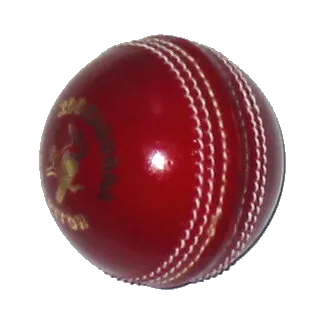
Sonny Baker's ECB profile is an official starting point for his England cricket coverage. A fast bowler's performance, however, cannot be reduced to the quickest delivery shown on television. Pace, control, movement and the match situation work together, and the available evidence should determine the conclusion.
Speed needs measurement context
A broadcast speed reading concerns a particular delivery under a particular measurement system. One exceptional ball does not establish the average pace of a spell. Avoid converting an isolated graphic into a permanent career claim without a documented sample.
Watch whether pace changes the batter's available time and shot options. A quick ball outside a useful line may be easier to leave than a slightly slower delivery that challenges the stumps.
Line, length and movement
A bowler can use a fuller length to invite a drive or a shorter ball to alter footwork. Seam and swing are different forms of movement, and conditions influence what is available. Describe what the ball visibly did rather than naming every deviation as swing.
Field placement and the batter's response help reveal the plan. A boundary does not automatically mean the delivery had no purpose, but the explanation needs evidence rather than an excuse supplied after the event.
Read workload and figures
Overs, runs and wickets describe the spell's recorded outcome. The phase of the innings, field restrictions and the quality of the opposition add context. A supporting role may involve different opportunities from opening with the new ball.
Use the official team announcement for selection or injury information. A profile or absence from one match cannot establish a current medical condition or contract change.
Make a small bowling notebook
Record six deliveries with intended area, observed movement, batter response and outcome. Then compare the sequence with the scorecard. Explain what the clip leaves out, such as earlier setup or field changes. Our cricket reading guide explains basic statistics.
Sources and image credit
Image: Stephen Turner, based on Albinomonkey; Commons upload Spundun, Public domain. Cricket ball illustration; not a match photograph. Resized to fit within 1280 × 960 pixels without cropping; converted to WebP. No endorsement implied.
Need Direct Access to this Notification?
Check the original source for the latest instructions and any corrections.
Result dates, fees and eligibility must be checked against the board's current notice. Report a correction with the article URL and original source.