
SSC CGL Answer Key 2026: Official Routes, Response Sheets and Review
Use the official SSC route to check CGL answer-key notices, read response-sheet identifiers and review mistakes without assuming a release or deadline.

To check an SSC CGL 2026 answer key, begin at the Staff Selection Commission's official website and identify the notice for the correct examination and tier. A candidate response sheet, a tentative key and a final result are different records. Understanding those distinctions is the first step toward checking an answer accurately.
This guide was checked on 5 November 2026. It explains the official access route, question identifiers, score estimates and evidence for a representation. It does not claim a verified release timestamp, objection fee or deadline for a particular notice that was not retrieved. Read those details directly from the current applicable SSC notice before acting.
Where should I check the CGL answer key?
Use ssc.gov.in and the answer-key or notice information for Combined Graduate Level Examination, 2026. Confirm the tier and cycle before opening the candidate link. SSC conducts several examinations, and a recent answer-key notice for another recruitment is not evidence about your CGL paper.
The year in a publication date can also differ from the examination cycle. A document published during 2026 may concern a 2025 examination stage. Read the complete title instead of choosing a link solely because it contains CGL and a familiar calendar year.
Follow the official candidate-access instructions shown for that notice. Do not submit a registration number, password or response-sheet file to an unrelated website that promises to retrieve the information faster. This article explains the process and does not need your credentials.
What is a candidate response sheet?
A response sheet records the answers associated with a candidate's attempt in the relevant examination system. It helps you compare what was selected with the answer key. It should not be treated as the same thing as a scorecard or a declaration that a particular answer is correct.
When opening it, check the examination identity and the details that establish it is your record. Save the file privately if the official service permits downloading. Avoid distributing a complete sheet publicly when it includes identifying information.
Keep a readable copy and note when it was obtained. If the official access window closes later, an independently saved permitted record can be useful for your own review. Do not assume that every candidate link will remain available indefinitely after the examination cycle progresses.
Tentative and final keys serve different stages
A tentative key is part of the review process described by the examination authority. The relevant notice explains whether and how representations can be made. A final key follows the applicable decision process and can differ from an earlier version.
Do not describe a tentative comparison as a final result. An estimated total calculated from a provisional record can change if the authority revises an answer or applies the examination's other rules. Use the status printed by SSC rather than upgrading it in your own summary.
Likewise, a coaching solution is an independent explanation, not an official key merely because it is persuasive. It can help you understand a concept, but the authority's published records determine the official answer-key and result process.
Match question identifiers, not only displayed numbers
Question order and option order can be presented differently across records. Use the identifiers and mapping supplied by the official system. A question shown as number twenty in one display should not automatically be matched to number twenty in another unrelated set.
Read the full question, its options and the recorded selection. If an answer key uses an option identifier, follow that identifier rather than assuming a displayed letter always means the same text. Confusing the mapping can make a correct key appear wrong.
Create a private comparison with the question identifier, your response and the official keyed response. That is enough to organise the review without copying personal details into every worksheet row. Keep the original record available to resolve a later doubt about the mapping.
How to estimate a score responsibly
Use the marking scheme applicable to the exact tier and examination cycle. Identify marks for correct answers, deductions if applicable, treatment of unattempted questions and any special rules. Do not copy a scheme from another SSC examination simply because the interface looks similar.
For a fictional exercise, suppose a test awards two marks for a correct answer and deducts half a mark for a wrong answer. Ten correct and two wrong would produce twenty minus one, or nineteen. These invented conditions illustrate the calculation only; they are not asserted as the rules of your CGL paper.
Label an independently calculated total as an estimate and keep the inputs. If the final official score differs, you need to know whether the difference concerns an answer, the marking scheme or another stated result rule. An unexplained number copied from an application is difficult to audit.
Raw estimates and official scores are not interchangeable
An examination can apply procedures beyond a simple count of answers. Read SSC's applicable scheme and official explanations before interpreting a final score. A raw calculation and a published score can describe different stages or measures.
Do not invent a conversion that claims to predict the official outcome exactly. An application may ask for data and generate a plausible figure without having access to the authority's full process. A confident display does not establish that its method reproduces the official calculation.
Keep comparisons fair. Two people discussing marks may be using different keys, schemes or record versions. Establish those inputs before deciding that one person's arithmetic must be wrong or that the system has necessarily made an error.
What makes an answer worth reviewing?
Begin with the exact wording. Identify what is being asked and whether any condition or qualifier changes the answer. A familiar topic can still produce a different correct response when the question asks for an exception, a unit or a particular context.
Work through the reasoning independently before looking for support. For a numerical item, show the steps and units. For a factual item, use an appropriate authoritative reference. An objection based only on a remembered coaching answer is weaker than one tied to the precise issue and reliable evidence.
Separate uncertainty from an error claim. You may need help understanding why an answer is correct without having grounds for a representation. A careful review can resolve that uncertainty and improve learning even when the official key remains unchanged.
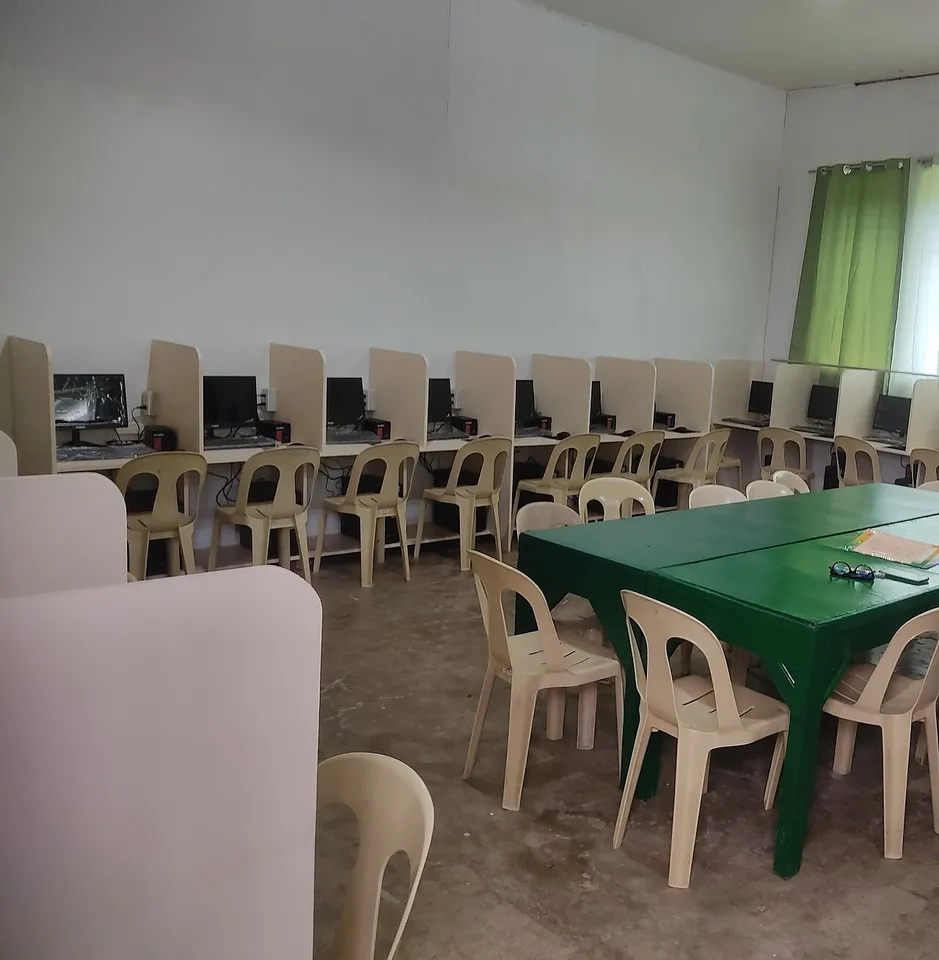
A computer laboratory at Diaz College in the Philippines, shown for learning context rather than as an Indian SSC test centre.
Prepare a focused representation if the official process allows it
Read the current notice for the permitted route, time window, required information and any stated payment arrangements. Those details belong to the specific examination notice. This page does not invent a deadline or fee in order to make the guide appear more current.
State the question identifier and the precise issue. Explain why the keyed answer appears inconsistent with the wording or evidence, and provide the material requested by the official process. A short, relevant explanation is more useful than a long message containing unrelated complaints about the examination.
Do not assume submission guarantees acceptance. A representation requests consideration under the authority's procedure; it does not itself change the key. Save the confirmation or reference and use the final official information to understand the outcome.
Check dates and time windows directly
A deadline can include both a date and a time. Read both, including any stated time zone or system instructions. A general statement such as available this week is not enough to establish the last permitted submission moment.
Do not rely on a screenshot that omits the notice's heading or issue date. An old window can be reshared while appearing relevant to a new examination. Verify the original notice and any extension rather than assuming that a previous cycle's timetable applies again.
Act early enough to check a confirmation. An attempted payment, a draft representation and a completed submission may be different states. Follow the official process through its required completion step instead of assuming that opening the page or filling a form finished the task.
Avoid credential and document exposure
Keep account credentials and full response sheets out of public groups. A person offering a free score estimate should not automatically receive every identifying field in the record. Understand what is being collected and why before uploading a document to another service.
Use official recovery routes for access problems. Do not install an unknown extension or remote-control application because someone claims it can bypass the candidate login. A genuine need to inspect a response sheet does not authorise an unfamiliar person to operate your device.
If someone helps you compare answers, share a redacted question or the specific reasoning problem where practical. The full candidate identity is usually unnecessary for explaining a calculation or interpreting the wording of one question.
Turn the review into a study plan
Classify errors by cause: missing knowledge, misunderstood wording, incorrect calculation, time pressure or an answer-selection mistake. These categories require different responses. Reading more theory may not fix a habit of overlooking the word not in a question.
For each category, choose a small corrective task. Explain a concept from memory, solve a similar problem with changed numbers or practise reading the instruction before looking at options. Keep a record of whether the cause was resolved rather than merely counting how many questions were reviewed.
Our study resources can support general practice habits, but they do not replace the SSC syllabus or the official examination scheme. Select material for the weakness you identified instead of treating any large question bank as automatically matched to the paper.
Use a versioned answer-review record
Write down which key and response record you used, the check date and the source. If the final key changes an answer, update the relevant entry while preserving the explanation of what changed. This creates a meaningful history instead of several unexplained totals.
Do not merge different candidates' records into one private sheet without clear consent and purpose. A study-group comparison can discuss concepts without collecting everyone's identifying documents. The quality of the reasoning does not increase with unnecessary personal data.
If a difference remains unexplained after the official result, use the appropriate official enquiry procedure. State the specific discrepancy and the records compared. Avoid treating speculation in a group as proof of an error in a particular candidate's outcome.
A short answer-mapping exercise
Imagine the same question appears with choices in a different order on two sheets. The correct text is unchanged, but its displayed letter moves. Match the question and answer using the supplied identifiers or content rather than copying the old letter automatically.
Next, calculate a fictional score using a clearly stated scheme, then change one answer from incorrect to correct. Explain both the added correct-answer marks and the removed deduction, if the fictional scheme includes one. This shows why a correction can affect more than one term in the calculation.
Finally, write a careful status statement: you have an estimated comparison based on a named record, not a guaranteed final result. That wording preserves useful information while keeping the authority's final decisions and your own arithmetic in their proper places.
Questions candidates are asking
Does this guide announce a verified CGL 2026 release deadline?
No. Open the exact SSC notice for the current release and representation window. This guide explains access and review without inventing a timestamp, fee or closing date that was not verified from that notice.
Is a response sheet the same as a final scorecard?
No. It records candidate responses for comparison. A scorecard and final result belong to the authority's result process. Keep the records separate and read the labels before comparing figures.
Can I match answers by question number alone?
Use the official identifiers and mapping where provided. Display order can differ. Check the question and keyed option carefully rather than assuming a number or letter has the same meaning across every version.
Does filing a representation automatically change the answer?
No. It asks the authority to consider a specific issue through the permitted process. Retain the submission record and consult the later official key or result. A request and an accepted correction are different stages.
Sources
- Staff Selection Commission official website
- SSC Southern Region official notices
- SSC Central Region official information
Image credits: cover: Pink Edit, source, CC0. Resized and converted to WebP. inline: Rc ramz, source, CC BY-SA 4.0. Resized and converted to WebP.
Result dates, fees and eligibility must be checked against the issuing authority's current notice. Report a correction with the article URL and original source.