
Stacy Keach Remembered: Mike Hammer, Broadway and the Craft of Acting
Remember Stacy Keach’s documented stage, screen and voice work, Mike Hammer association and Indians nomination with clear archive and source context.

Stacy Keach: a career across stage, screen and voice
Stacy Keach died on 10 November 2026 at the age of 85, according to the family statement reported in theatre and news coverage. He was widely recognised for playing Mike Hammer, but that television association represents only one part of a career that also included Broadway, Shakespeare and narration.
This remembrance focuses on documented professional work. It does not speculate about private family arrangements or turn a reported medical detail into advice about another person's health. Readers looking back at a long career deserve a clear distinction between the confirmed announcement and an interpretation of the performances.
Broadway records provide an especially useful counterweight to a short screen-based obituary. They allow the theatre work to be identified through actual productions rather than vague descriptions of a performer as simply a familiar television face.
The theatre record behind the famous television role
The Internet Broadway Database lists Keach's productions, including Indians. His Buffalo Bill performance in that play brought a 1970 Tony nomination. Other documented work includes Danton's Death, King Lear, Deathtrap and Other Desert Cities. The nomination should not be reassigned to a different play because a headline compresses several career details.
Dates matter when reading theatre credits. A production's opening year, a nomination year and a later revival can differ. An actor may also play a role on tour or in a regional theatre without that being the same production as a Broadway listing.
For someone exploring the career, begin with a particular performance or production rather than an enormous unlabelled list. Knowing which play, role and period you are investigating makes interviews and archival accounts easier to understand.
Why Mike Hammer became such a strong association
A recurring television character can reach an audience repeatedly over years. Viewers hear the same voice and recognise a familiar manner, which can make the character more immediately memorable than a stage performance available only to a particular audience in a particular season.
That familiarity should not erase the craft involved. A detective role requires choices about pace, attention and how information is revealed. An actor can suggest authority, fatigue or suspicion through timing as well as through the written dialogue.
This article does not reproduce scripts or claim that every version of Mike Hammer is identical. When choosing something to watch, identify the production and release rather than assuming every clip with the character's name belongs to the same series.
Stage acting and camera acting ask different things
A theatre performer works within a continuous live event and communicates across a physical space. A screen performance is shaped by framing, takes and editing. Neither medium is automatically more demanding or more authentic; each creates different conditions for the actor and audience.
One useful exercise is to compare how a pause works in each setting. On stage, the audience can choose where to look within the scene. In a close-up, the camera directs attention to a face. The same written line can therefore have a different effect without the words changing.
Keach's work across these settings makes the distinction worth considering. It is more informative than treating a long career as a sequence of famous titles with no discussion of the different kinds of performance those titles represent.
The voice is part of the performance
A recognisable voice is not only a matter of pitch or volume. Emphasis, phrasing and the space between sentences affect how a listener understands a scene. Narration adds another task: guiding attention when the audience may not have a visible actor to follow.
For students practising spoken English or presentation, listen for where a professional speaker groups ideas. Then try reading a short public-domain passage in two ways, changing the pauses while keeping the words the same. The exercise demonstrates how delivery changes meaning without requiring an imitation of a particular actor.
Do not confuse a recognisable vocal style with permission to clone a person's voice. A discussion of an actor's work can appreciate the original performance without creating a synthetic endorsement or pretending that the performer spoke new words.
How to explore the career responsibly
Use a verified production database for credits and an authorised distributor or archive for viewing availability. A title's presence in a filmography does not mean it is available on every streaming service or in every country.
When sharing an archival photograph, retain its date and context. An image from a public ceremony is not a still from Mike Hammer or a picture of the person's final appearance unless the source establishes that. Honest captions help a remembrance remain accurate.
It is also worth separating a personal favourite from a universal ranking. A viewer may know Keach mainly through one role while a theatre audience remembers another. A career spanning several forms allows different points of entry without requiring one audience's experience to cancel the others.
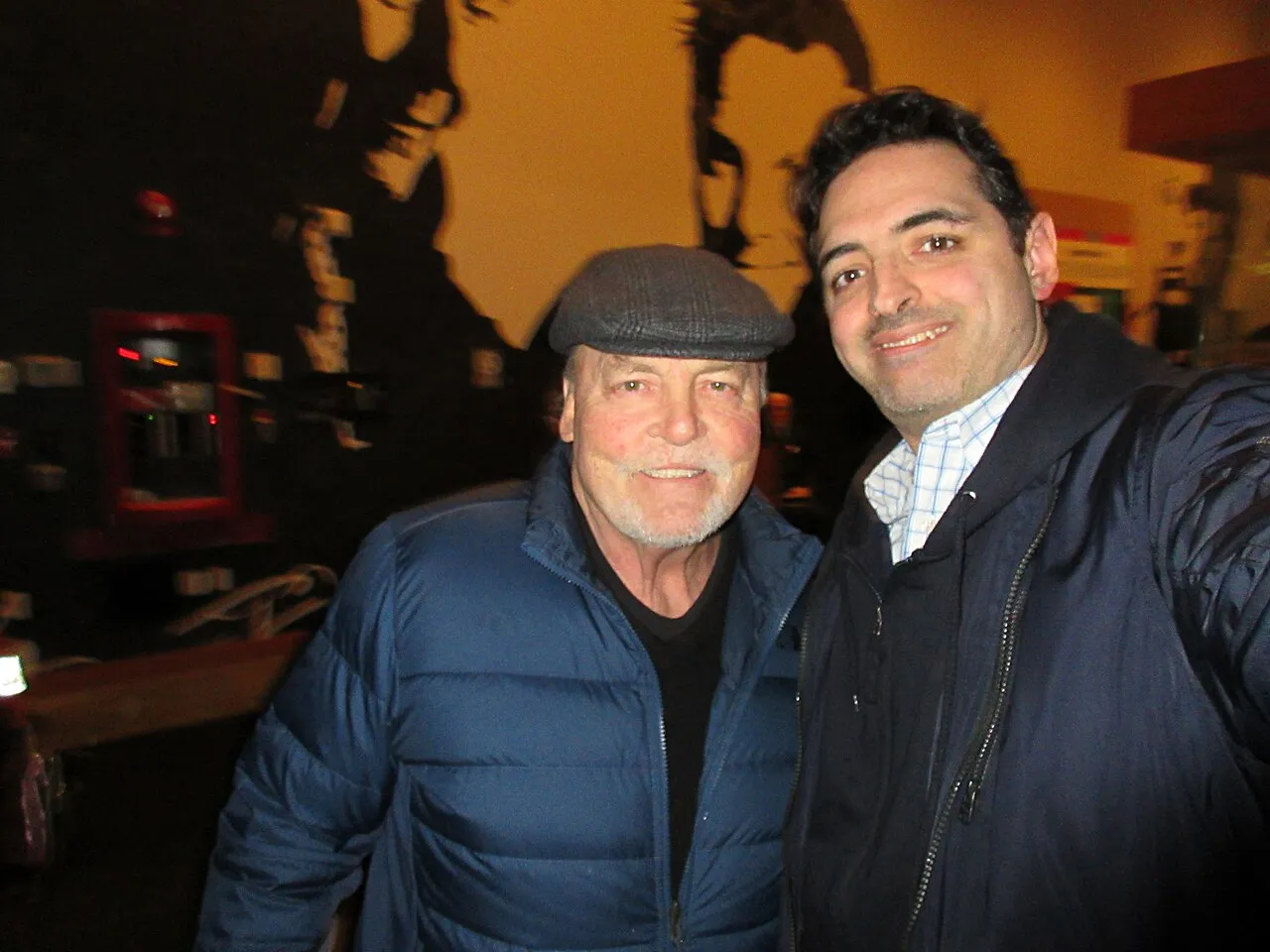
Archive public-appearance photograph, not identified as a final appearance.
Questions readers are asking
How old was Stacy Keach?
The reported death announcement gives his age as 85. The date reported is 10 November 2026. This remembrance relies on the family announcement as reported by established coverage and avoids repeating unsupported claims from automatically generated obituary pages.
Which play brought his Tony nomination?
His 1970 nomination was for Indians. A later appearance in Other Desert Cities is a separate credit. Checking the production record prevents a compressed headline from accidentally moving an award nomination to the wrong performance.
Is Mike Hammer the whole career?
No. It is a widely recognised television association alongside substantial stage and other screen work. Exploring those different settings gives a fuller appreciation of the actor than reducing the remembrance to one familiar character.
More arts and learning guides are available in the RayTech article collection.
Read a performance through attention and timing
An actor does more than deliver the words assigned to a character. The performance directs attention: toward a question, another person, an object or something deliberately left unsaid. Timing can make an ordinary sentence sound impatient, protective, uncertain or amused without changing the sentence itself.
For a practical exercise, choose a short passage you are entitled to use and read it with two different intentions. First, imagine that the speaker wants an immediate answer. Then imagine that the speaker is avoiding an answer. Notice how the pause, emphasis and pace change. This explores the craft without attempting to copy Keach's voice or claim access to his personal method.
The exercise also explains why a recognisable performer can remain interesting across different roles. Familiar vocal qualities may connect the appearances, but the character's immediate task changes the use of those qualities. A useful appreciation identifies the choices in a specific performance rather than assuming that a famous voice alone explains the effect.
When writing about a scene, describe the observable action before interpreting it. A prolonged pause is an observation; a claim about what the actor privately intended is an inference. Keeping those categories separate makes the analysis available to another viewer who may interpret the same moment differently.
What a theatre credit records
A production database helps establish who participated, the credited role and the particular production. It is a stronger starting point than a copied list that mixes performances, nominations and unrelated revivals. The record's precision matters because a familiar play title can appear in several distinct contexts.
For example, an opening date identifies a production's public run, while an award nomination may be recorded in the following calendar year. Neither date should automatically be substituted for the other. The same actor can also return to a role in a different setting without that later appearance becoming part of the earlier Broadway record.
Create a small research table with production, role, venue context, dates and award information. Leave any field blank when the consulted record does not establish it. A blank field is preferable to a plausible guess that later readers may repeat as fact.
For Keach, this method keeps Indians and Other Desert Cities from becoming accidentally merged in a short remembrance. Both can matter to a career account, while the specific nomination remains attached to the production that earned it. Accuracy is part of appreciation, not a distraction from it.
A recurring character and an audience's memory
Television allows viewers to encounter a performer repeatedly. Familiar introductions, gestures and vocal patterns can become part of how the audience remembers the character. That repeated contact is different from seeing a stage performance once, even when both experiences make a lasting impression.
The strength of that association can also narrow a remembrance. Someone who knows Keach through Mike Hammer may not immediately think of theatre or narration. Another viewer may have a different point of entry. A fuller account makes room for those experiences rather than insisting that one role defines every audience's relationship with the actor.
When revisiting a recurring character, notice how a performer handles variation within familiarity. The character may face a different problem while remaining recognisable. That balance can be part of the craft: enough continuity to sustain identity, enough responsiveness to make the current scene feel active.
This is a general way of watching episodic performance, not a claim that every version of Mike Hammer uses the same choices. Identify the production before comparing clips, and do not treat a compilation as an uninterrupted example of one episode's pacing.
Narration asks the listener to follow a structure
In narration, the performer may guide a listener through information without a visible character in the frame. Clear phrasing helps the audience recognise which ideas belong together and where a contrast or transition begins. That is different from simply reading every sentence at the same speed.
Students can practise with a short explanatory paragraph. Mark the main idea, supporting detail and change in direction. Read it aloud once without preparation, then again with pauses reflecting the structure. Ask a listener which version made the relationship between ideas easier to follow.
Volume is only one variable. Stress on a particular word can change the apparent answer to an unstated question. A pause before a phrase can create anticipation; a pause after it can leave space for the listener to absorb the point. The useful test is whether the choice serves the material, not whether it makes the reader sound imposing.
Appreciating a professional voice therefore need not lead to imitation or synthetic recreation. The transferable lesson concerns communication: make the structure audible, respect the text and consider the listener's attention. Those principles can inform a classroom presentation while leaving the performer's identity and recorded work intact.
Choose a manageable route through a long career
An exhaustive filmography can overwhelm a new audience. Begin with one documented theatre credit and one screen performance that is lawfully available to you. Read enough context to identify the role, then form a response to the actual work rather than to a list of awards alone.
Keep availability separate from existence. A production record establishes a credit, not that a complete recording can be streamed in every country. A short authorised excerpt may support a limited observation, but it should not be described as a review of an entire performance you have not seen.
After viewing, write three sentences: what the character seemed to want, what performance choice you noticed and what effect it had. This produces a more useful response than a string of broad praise. It also leaves room to discover another side of the career later.
Finally, allow a remembrance to remain respectful without inventing intimacy. A reader can recognise professional achievement and the significance of a reported death without claiming knowledge of private final conversations, family arrangements or personal intentions. The documented work provides enough material for an honest and substantial appreciation.
Keep the record and the response distinct
A remembrance can combine a confirmed professional record with a personal response to the work. Label the response as your own: a performance may have moved you without that feeling becoming a universal ranking. Likewise, an accurately identified credit remains useful even to someone who has not seen the production. Holding those two forms of writing together allows appreciation to be warm while remaining precise about what the available evidence establishes.
Sources
- Source: Reported family announcement and career account
- Source: IBDB career record
- Source: IBDB Indians production record
Image credits: cover: Gotfryd, Bernard, photographer, source, Public domain. Resized and converted to WebP. inline: Greg2600, source, CC BY-SA 2.0. Resized and converted to WebP.
Found an error or an outdated detail? Report a correction with the article URL and original source.