
West Indies Cricket Team: Regional Identity and Records
Explore West Indies Cricket Team with clear explanations, worked examples, source checks and practical questions for independent student learning.
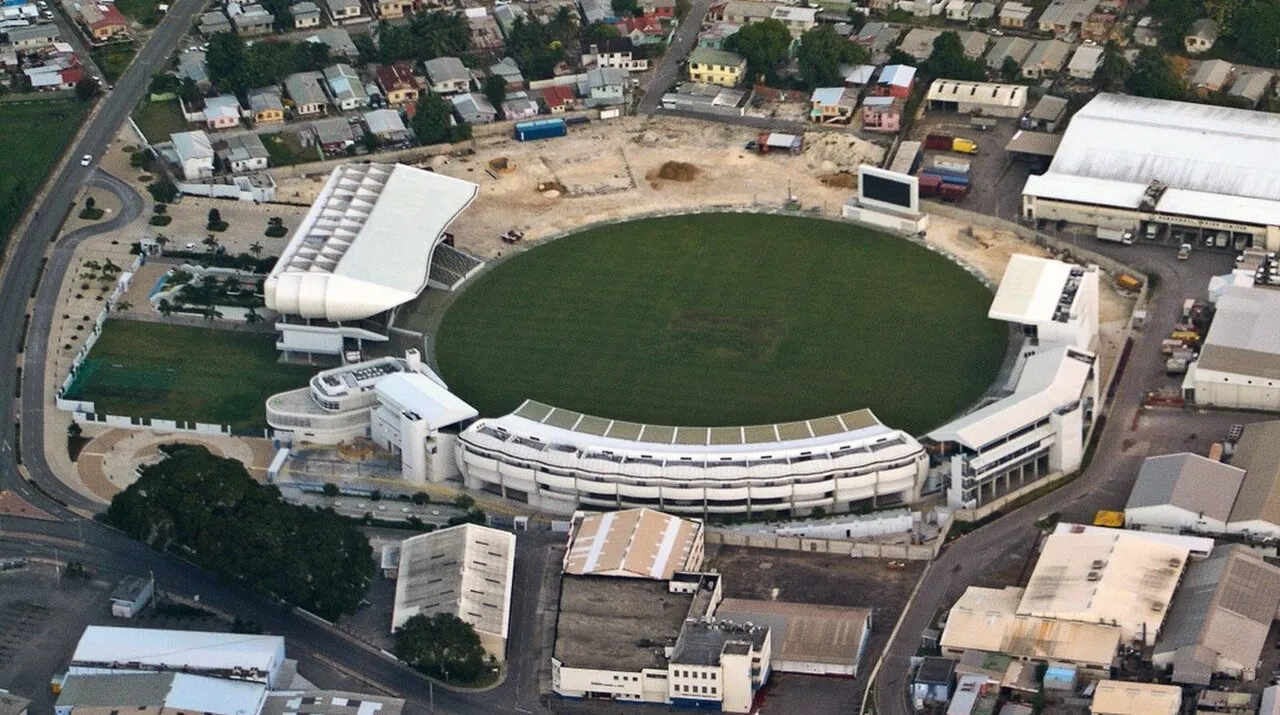
The West Indies cricket team represents a regional cricket tradition rather than a single country called West Indies. Cricket West Indies administers the international programme, while territorial structures support the regional game. Understanding that arrangement helps readers make sense of team names, venues, development competitions and the distinction between an international side and a domestic team.
This guide was checked on 2 November 2026. It introduces the structure and selected verified historical achievements without pretending to provide a live squad or ranking. Players, captains and fixtures can change, so current selections need their own dated announcements. The original map and data exercises below do not reproduce an official eligibility assessment.
Is West Indies one country?
No. In this cricket context, West Indies identifies a regional representative team. A sporting identity and a sovereign country are not always the same kind of entity. This distinction is important for readers accustomed to seeing international team names that correspond directly to one state.
Cricket West Indies’s recent regional competition material lists six territorial teams: Barbados, Guyana, Jamaica, Leeward Islands, Trinidad and Tobago, and Windward Islands. The list describes a cricket structure. It should not be converted into a claim that there are exactly six countries, or that each territorial team is itself a single sovereign state.
For a student exercise, use separate columns for sporting team, governing organisation and geographic context. Do not force every entry into a country field. A data model becomes more accurate when it allows the categories the real subject requires instead of assuming that every international sport uses one identical arrangement.
What does Cricket West Indies do in this explanation?
Cricket West Indies is the governing organisation associated with the regional international programme and competitions described in its public material. Its website publishes squad announcements, match information, development news and institutional history. Those records should be identified by their purpose rather than treated as one interchangeable profile page.
A squad announcement answers who was selected for a named series. A history page answers a different question about the organisation and earlier achievements. A domestic competition announcement describes the participating regional teams. A reader should choose the source that matches the question instead of expecting a single page to establish every current detail.
Create a source notebook with document type, date, subject and link. Ask students to place three different CWI pages in the correct categories. This teaches a useful research habit: the authority of a source does not make every page on that source relevant to every possible claim.
Why are territorial teams not the same as the international XI?
A regional competition can bring together teams within the wider cricket structure, while the international side represents a different level of selection. The names may overlap with places represented by international players, but the domestic match is not automatically a West Indies international fixture.
Consider a fictional sports system with four district teams and one regional representative side. A district result contributes to that competition, while a representative match belongs to another record. The example illustrates levels of competition; it does not specify West Indies selection rules or imply that a particular domestic result guarantees an international place.
For an original database exercise, give each fixture a competition and team-level field. Then filter international matches separately from regional matches. A well-labelled interface prevents a user from comparing a domestic points table with an international ranking as though they were the same measurement.
Which early international milestone is documented?
CWI’s institutional history records joining the international governing body in 1926 and playing the first official international Test match in 1928. These are dated organisational milestones. They should not be expanded into a claim that cricket in the region began only in those years.
A first official match, a governing-body membership and the earlier history of a sport are different subjects. A concise timeline can identify the documented milestone without pretending to summarise every community’s experience. This distinction is useful whenever a sport’s formal records cover only part of its wider social history.
For a history worksheet, create separate rows for institutional recognition, a first recorded event and an earlier informal tradition in a fictional setting. Ask learners why the dates need not match. The exercise helps them avoid turning an official starting point into a statement that nothing happened before it.
What are the 1975 and 1979 World Cup achievements?
The West Indies men won the first two men’s Cricket World Cups, in 1975 and 1979. The ICC and CWI both record those titles. Keep the competition and team category visible: these are specific tournament achievements, not an unqualified statement about every form of cricket in those years.
When creating a trophy timeline, give each entry a year, event and category. A year alone can contain several competitions. Without those labels, a list of medals or titles can make different formats appear interchangeable and leave a reader unable to tell what was actually won.
For an original exercise, sort fictional trophies by tournament rather than only by date. Then ask which entries belong in a men’s one-day history and which belong elsewhere. The task is simple, but it demonstrates why a well-organised record contains more information than a row of decorative trophy symbols.
Why is 2016 a particularly notable year?
CWI’s history identifies simultaneous success in the men’s World T20, women’s World T20 and Under-19 World Cup in 2016. These were achievements by different teams and categories within the wider programme. They should not be collapsed into a claim that one eleven-player lineup won all three tournaments.
This is a useful example of how a regional sporting identity can connect several programmes while their records remain distinct. Recognising the women’s and youth achievements does not require treating them as footnotes to the men’s team. Each has its own competition, participants and result.
For a classroom presentation, create three clearly labelled panels instead of one ambiguous total. Ask learners what each panel establishes and which source confirms it. The design should make the categories easier to understand, not obscure them behind a single number that sounds impressive but lacks a definition.
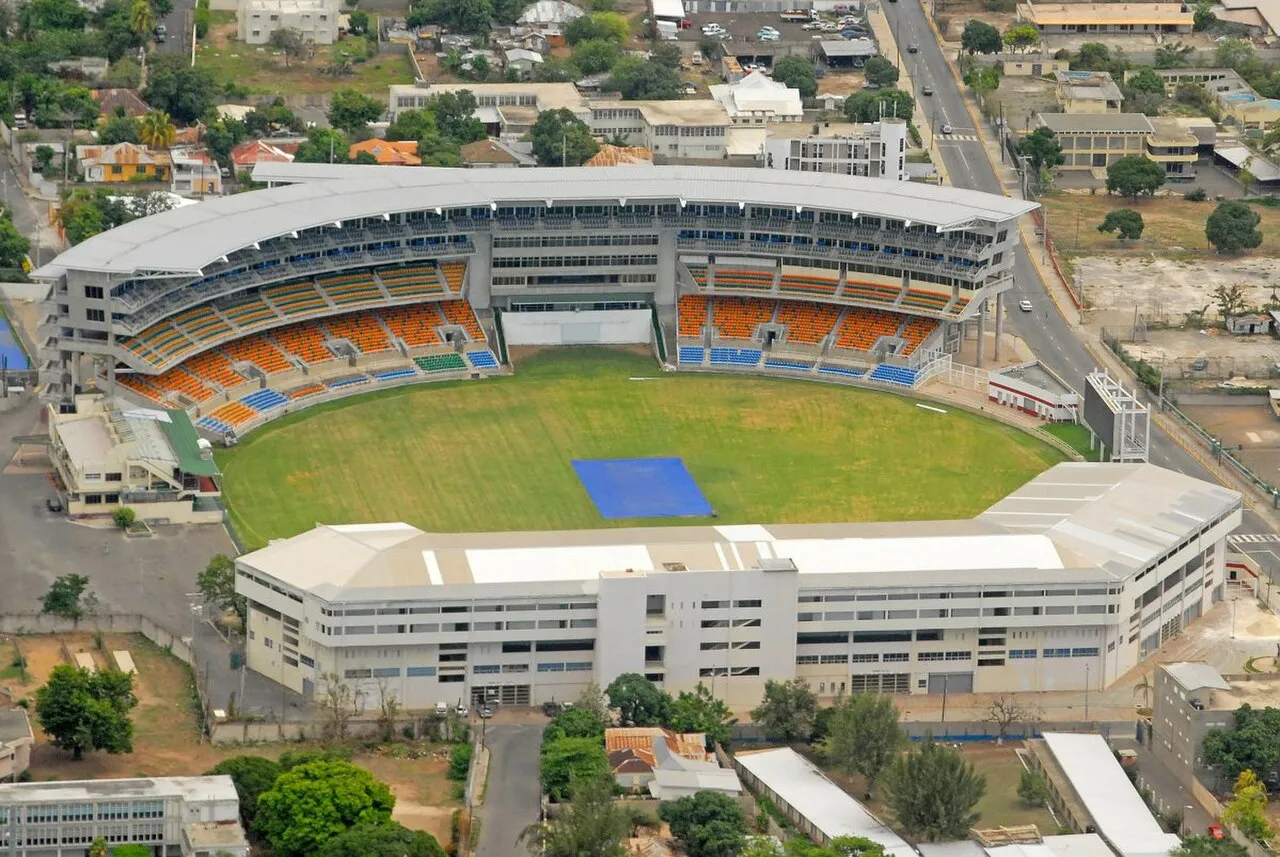
Sabina Park. Historical or contextual illustration; not a photograph of the current event or product being reported.
Test, ODI and T20I records need separate labels
The same team name can appear in several formats with different match structures. A Test record should not be directly merged with a T20I record simply because the players or opposition are familiar. Overs, innings, available time and result conventions affect how the records are interpreted.
For an original example, create three fictional fixture cards with the same teams but different formats. Give one a multi-day status, another an overs allocation and another a shorter allocation. Ask which fields are meaningful for each. The exercise shows why a generic score box can become misleading when it hides the format.
This article does not assign a current squad to all formats. A selection for one series is not automatically a selection for another. If the question is who will play a particular match, use the specific dated announcement and later confirmed team sheet rather than an old general profile.
What can a regional venue tell you?
A stadium’s location can help readers understand the geography of a fixture, but it does not by itself establish the players’ nationalities or the full region represented by the team. A West Indies home match can be hosted in different places within the programme’s cricket geography.
Use a map with a clear purpose: venue locations, for example, rather than an unexplained set of political boundaries. Label the individual place and the match date. Do not turn a venue map into a complete statement about citizenship, eligibility or territorial governance without the relevant sources.
For a fictional mapping exercise, plot several grounds belonging to a representative region. Ask learners to identify the host of one fixture without assuming the entire team comes from that location. This helps separate the event’s setting from the identity of the wider sporting organisation.
How should a player profile be connected to the team?
A player’s birthplace, domestic team, international selection and current contract are separate fields. One may provide context for another, but none should be guessed from a photograph or a club shirt. A profile should use specific public sources and a date where the information can change.
Avoid treating a player as representative of every community within the region. A regional team contains individuals with different backgrounds and roles. Good sports writing can appreciate a shared identity while preserving those differences rather than flattening them into a single stereotype about style or character.
For a student project, use fictional players to practise the data structure. Include role, team level, source date and a note for unknown information. The project does not need private contact details or identity documents. Its purpose is organising public sporting information, not determining someone’s legal eligibility.
Why do historical achievements not determine current rankings?
A trophy is a historical result. A current ranking is a separate, method-dependent record. Past success can be important context without establishing the team’s position today. A reliable article should not infer a ranking from a memorable era or present an old table as permanently current.
Imagine a fictional team that won a tournament ten years ago but has a different recent record. Both statements can be true. A history article and a current form guide answer different questions. The distinction allows readers to value the achievement without using it as a substitute for up-to-date evidence.
When a ranking matters, identify the format, publication date and responsible source. Do not compare a Test ranking with a T20 table or a domestic competition ladder. A number becomes useful only when the reader knows what it measures and which period or system it belongs to.
Build a cricket-history timeline
Use fields for year, event, team category, format and source. Keep a historical event record separate from a current summary. If a new achievement is added, the earlier entry should remain intact rather than being overwritten by the latest headline.
Learners can create a small version in our programming courses. Start with fictional entries, then use the documented milestones discussed here as a check of the structure. Add filters for category and format. The interface should make it clear when the user is viewing a subset rather than the entire history.
Test two events in the same year and the same competition name across several years. These cases reveal whether the program incorrectly assumes that a year or title alone is a unique identifier. Thoughtful data design helps preserve the distinctions that a history article needs.
What should photographs and flags communicate?
A historical stadium photograph can illustrate a venue without showing a current international match. A player portrait can identify a person without establishing the squad for a future fixture. Keep captions precise and avoid attaching a new article date to an older photograph.
Flags and team emblems also need context. A sporting symbol should not be presented as proof that the team is one sovereign country or that every represented place uses the same national flag. The surrounding explanation should do the work rather than asking a decorative icon to settle a geographic question.
For a visual-literacy activity, compare a fictional representative-team emblem with the flags of its member places. Ask which identity each symbol expresses. The exercise can make a complex arrangement understandable without claiming that all political and sporting categories line up in the same way.
What is the best way to follow a current West Indies match?
Identify the team category, format, opposition, date and competition first. Then use the official fixture or match record and the relevant squad information. A short search for “West Indies cricket team” can return history, women’s cricket, youth cricket and domestic results, all of which need their own labels.
If a result is still in progress, preserve that status. If you are reading a completed result, do not call it live. A static guide can point readers toward the right kind of source without pretending to update every score continuously. This is especially useful when several events occur in the same period.
The central lesson is that the West Indies name carries a rich regional sporting history while its individual records remain specific. Geography, organisation, competition and team category all matter. Understanding those categories helps readers appreciate the achievements and approach current news with clearer, more accurate questions.
Sources
- Cricket West Indies: institutional history, for the early milestones and selected championship achievements.
- CWI: 2026 Rising Stars Under-19 competition announcement, for the six listed territorial teams and regional competition context.
- ICC: West Indies historical profile, for the documented men’s World Cup and World T20 achievements. All fictional maps, player records and database exercises above are original educational examples, not current squad or eligibility determinations.
Image credits: cover: Barry haynes, source, CC BY-SA 3.0. Resized and converted to WebP. inline: Jamaica1962, source, CC0. Resized and converted to WebP.
Found an error or an outdated detail? Report a correction with the article URL and original source.