
What Is a Country? Borders, States and Geography
Understand what country, state and territory mean, why country lists differ, and how to use UN sources for geography study and research.
Check the source, publication date and examination session before relying on it.
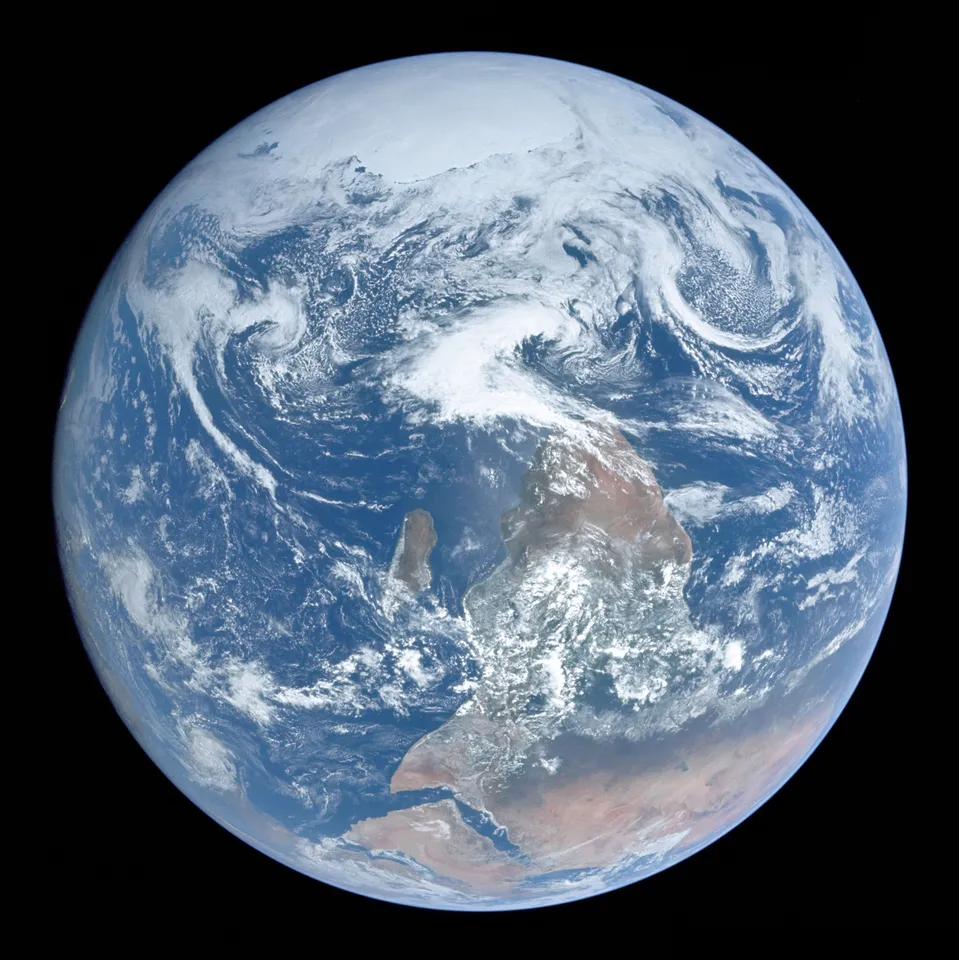
A country is commonly understood as a distinct political and geographical community, but the word does not answer every legal question about sovereignty or recognition. That is why country counts can differ across schoolbooks, sporting organisations and international institutions. Always ask which definition a list is using.
Country, state and nation
In international relations, a state concerns political authority and territory. A nation can describe a community connected by history, identity or culture. A country is a widely used everyday term, but it is not a substitute for explaining the legal status of a disputed territory.
The United Nations member-state list is a specific institutional record. Membership is not identical to every possible definition of a country. Observer arrangements and territories require separate descriptions rather than being silently added to the same count.
Why maps and lists can differ
Maps simplify reality. They choose scales, labels and boundary conventions, and their publication date matters. A dotted border can represent a dispute or an administrative convention, so read the legend before drawing a conclusion. A sports federation may organise teams in a way that does not match UN membership.
Official names and common names can also differ. A database may use a formal state name while a school atlas uses a shorter familiar label. For research, keep the name used by the source and record an alternative where it helps readers identify the place.
How to make a reliable country profile
Start with location, capital and neighbouring regions. Add population or economic figures only with a year and a named statistical source. Distinguish a national currency from an exchange rate, which changes over time. Avoid reducing a population to stereotypes about language, religion or daily life.
A useful classroom activity
Compare a UN membership list, a world atlas and an international sports tournament. Identify one difference and explain the rule each organisation uses. The task teaches source interpretation rather than memorising a single unexplained total. Explore our study resources for further geography and general-knowledge practice.
Sources and image credit
Image: NASA, Public domain. Earth photographed by Apollo 17 in 1972; historical illustration. Resized to fit within 1280 × 960 pixels without cropping; converted to WebP. No endorsement implied.
Need Direct Access to this Notification?
Check the original source for the latest instructions and any corrections.
Result dates, fees and eligibility must be checked against the board's current notice. Report a correction with the article URL and original source.