
Women's Emerging Nations Trophy 2026: Teams, Groups and Pakistan Guide
The Women’s Emerging Nations Trophy runs in Ajman from 12 to 25 November 2026. Check Pakistan’s group, the format and qualification route.
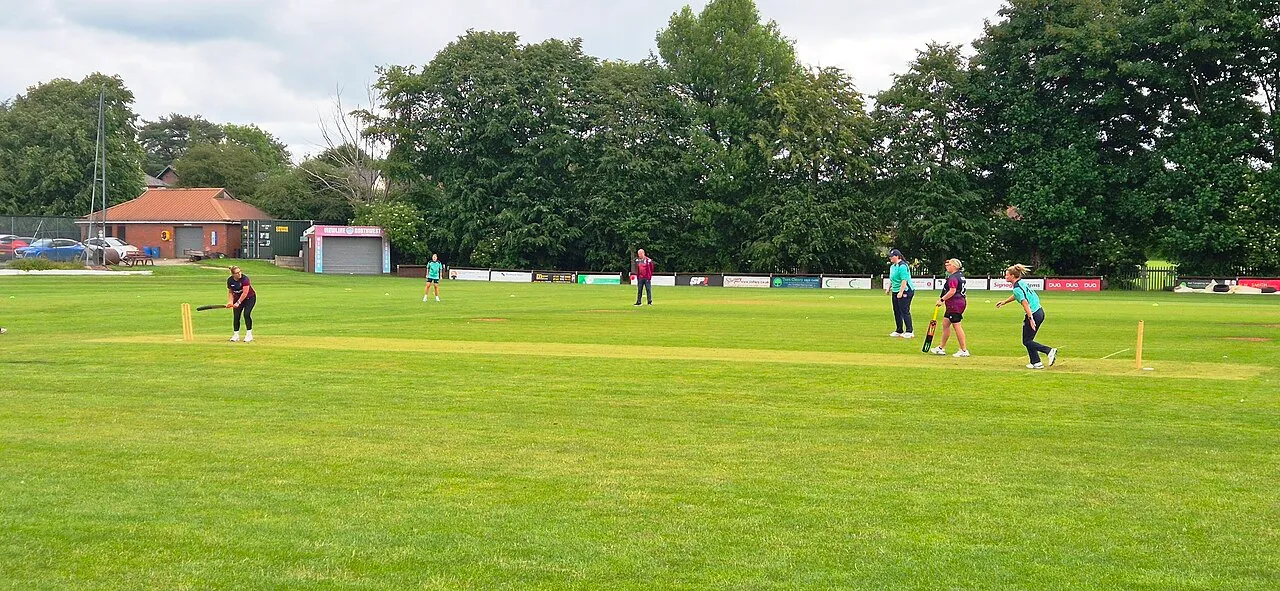
The ICC Women's Emerging Nations Trophy 2026 runs from 12 to 25 November in Ajman, United Arab Emirates. Ten teams will compete in the T20I event. Pakistan are in Group B with Bangladesh, the Netherlands, Thailand and Zimbabwe, and their opening fixture is against Bangladesh on 12 November.
The competition expands from the inaugural eight-team edition to ten participants. For followers in Pakistan, it is an opportunity to follow a complete international tournament rather than only an isolated score. This guide sets out the confirmed structure and explains how to read the group stage, qualification path and match information without confusing the event with a different women's competition.
Women's Emerging Nations Trophy 2026 at a glance
| Item | Tournament information |
|---|---|
| Format | T20 internationals |
| Host | United Arab Emirates |
| Match location | Ajman |
| Dates | 12-25 November 2026 |
| Teams | Ten |
| Groups | Two groups of five |
| Next phase | Super Six |
| Defending champions | Thailand |
The name Emerging Nations does not mean that every participating side is an under-age team or that every player must be an international newcomer. Read the organiser's competition description and squad information rather than assuming an eligibility rule from the title. The published field includes both Full Member and Associate Member countries.
The year also matters. The 2025 inaugural event and the 2026 competition have different hosts, fields and structures. A photograph or search result from the earlier edition can provide background, but its match list should not be copied into the current schedule.
The two groups
| Group A | Group B |
|---|---|
| Ireland | Bangladesh |
| Papua New Guinea | Netherlands |
| Scotland | Pakistan |
| Sri Lanka | Thailand |
| United Arab Emirates | Zimbabwe |
The group stage runs from 12 to 18 November. The top three sides from each group progress to the Super Six phase. That creates six qualifiers, rather than sending only the top two directly to semi-finals. Understanding that distinction prevents a group-table position being interpreted using the rules of another tournament.
After the group stage, the Super Six fixtures are scheduled for 20, 22 and 23 November. Each qualifier plays the three qualifying teams from the other group. The top two then reach the final, scheduled for 25 November at the Karwan Sports Club Cricket Ground.
Where the matches are being played
The two named venues are Karwan Sports Club Cricket Ground and Seven Districts Sports Club, both in Ajman. Keep the ground name attached to a fixture when saving a schedule. A city name alone may not distinguish two matches taking place on the same date.
The opening programme includes Sri Lanka against Ireland and Papua New Guinea against Scotland in the morning, followed by Pakistan against Bangladesh and Netherlands against Thailand in the afternoon. Check the tournament's live fixture listing for the exact local starting time and any change before planning a viewing session.
If you convert a UAE time to Pakistan time, identify the time zone first. UAE local time is UTC+4 and Pakistan is UTC+5, so Pakistan is one hour ahead. Do not apply that conversion to a time that has already been displayed in PKT by an app or website.
Pakistan's opening assignment
Pakistan begin against Bangladesh, but a preview is not a result. At the preparation stage of this guide, the opening fixture belongs to the upcoming programme. The meaningful things to check next are the final playing teams, toss, actual start and the completed scorecard.
Treat a squad announcement and the match eleven as different records. A squad identifies the wider selection available for the event. The playing team belongs to a particular fixture and can change. A familiar player's presence in a photograph does not prove that she is selected for the next match.
For a useful viewing notebook, write the opposition, date, venue and match number before adding a score. Then note what was actually observed during the innings. This prevents a result from an earlier meeting being accidentally attached to the current fixture.
How the qualification path works
Start by following the group table. A team's position reflects its completed results and the organiser's ranking rules. A good result early in the event can improve its position without mathematically guaranteeing qualification. The number of matches still available to other teams matters.
When comparing two teams, record points and matches played together. A side that has already completed more fixtures may have a different remaining opportunity than one with a game in hand. Looking at a rank without the underlying columns can hide that distinction.
The next phase then introduces a new set of fixtures. Keep group-stage and Super Six records clearly labelled in your notes. Before calculating what carries forward or breaks a tie, read the competition's published conditions. Do not import a rule from a previous tournament simply because the phase has a familiar name.
Reading a T20I scorecard
A score such as 150/6 records runs and wickets; it does not independently describe the quality of every phase. Add the overs, innings order and match situation. A first-innings total and a successful chase can have similar-looking numbers but answer different questions.
Overs use cricket notation rather than ordinary decimal notation. For example, 12.4 means twelve overs and four legal balls, or 76 legal balls. It does not mean 12.4 standard decimal overs. Convert to balls before using the figure in a calculation.
For a batter, read runs and balls together. For a bowler, examine overs, runs conceded and wickets in context. A single headline statistic can be informative without explaining everything about the performance. Use the complete record to identify what a number measures before comparing players.
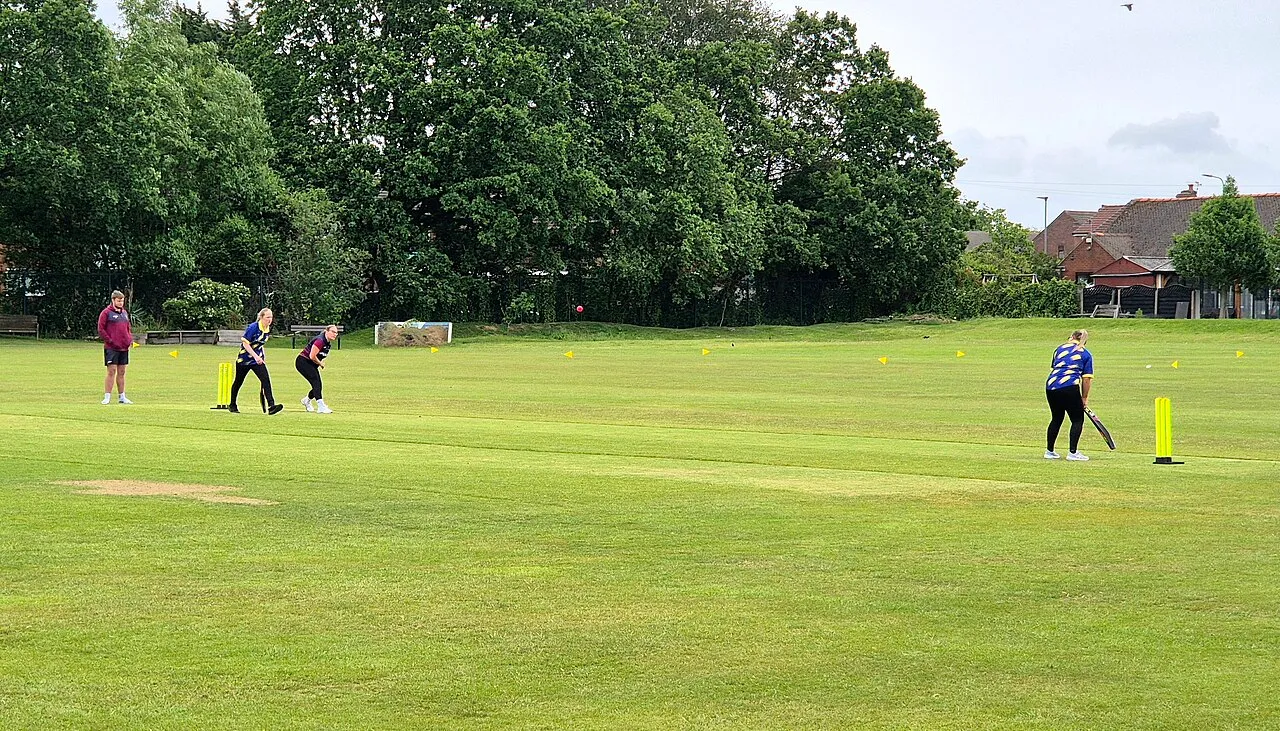
Women’s club cricket at Golborne in England. This illustrative photograph does not show the teams or venues of the 2026 tournament.
Separate a required rate from a final result
During a chase, the required rate concerns the runs still needed and the legal balls remaining. It changes after each scoring event or dismissal. It is a description of the current task, not a prediction that the chasing side will necessarily succeed or fail.
As a hypothetical example, a side needing 36 from 24 legal balls requires nine runs per six-ball over. If the next six legal balls produce only four, the remaining task changes. Label such examples as illustrations so they are not mistaken for events from an actual tournament match.
Use this method to explain a live score to a younger viewer. State the target, current score, wickets remaining and balls left. Then distinguish the arithmetic from an opinion about the likely outcome. Clear explanations make a match easier to follow without pretending that a formula can predict every delivery.
How to assess a partnership
A partnership should be read through its starting situation, duration and contribution. A steady stand after early wickets can serve a different purpose from a fast finish with wickets available. Look at the match state rather than judging every partnership by the same simple speed comparison.
If you have only a scorecard, be careful about tactical descriptions. You can identify a batter's runs or a partnership total from the record, but claims about a specific field setting or shot selection need appropriate match evidence. A convincing explanation should not invent details merely to make a recap feel vivid.
When watching, record one concrete observation before adding an interpretation. For instance, note the scoring change over a defined period, then explain why you think that phase mattered. This keeps your analysis tied to something another viewer could examine.
Why this tournament matters for developing teams
A structured event lets teams face several opponents under a common competition framework. That creates opportunities to compare performance across different conditions and match situations. The value of those opportunities should be described through the fixtures and play, not through a promise that one event will transform a national programme by itself.
For spectators, following less familiar teams can improve the way statistics are read. Begin with the actual players and results instead of assuming that a country's reputation settles the outcome. A tournament is a sequence of contests, and each completed match supplies evidence that should be considered on its own terms.
Keep the development discussion respectful. An emerging competition is still international sport, and players should be identified accurately. Avoid treating a defeat as evidence that a team does not belong in the event or assuming that a favourite cannot be challenged.
How to follow the event without confusing editions
Keep teams, fixtures and standings as separate data
A team list identifies the participants. A fixture list identifies meetings between them. A standings table summarises completed outcomes under the competition's rules. Those are connected records, but they should not be stored as though they were the same thing. A team can appear in the participant list before it has played its first match.
In a classroom example with five teams playing a single round-robin, each team has four opponents and the group contains ten unique pairings. Count each pairing once: a meeting between Team A and Team B is the same fixture whether the names are written A-B or B-A. This is a mathematical illustration, not a substitute for the organiser's actual schedule.
The exercise also explains why a list generated by a student needs checking against the published programme. A competition can have rest days, venue constraints or a different phase structure. A correct list of possible pairings does not establish the dates on which those matches will be played.
Keep a status field with each real fixture. Scheduled, live, completed and changed are useful distinctions because an empty score before a match is not the same as a recorded zero. That small design choice prevents a scoreboard from displaying a misleading result before play begins.
Use the current tournament hub, then select the fixture and date. Confirm that the page identifies the 2026 event in the UAE. Search engines can return useful older reports, but their scores and captions remain attached to the year in which those matches occurred.
Check broadcast access through the organiser and authorised providers for your territory. A list of services in one country does not establish availability in another. This guide does not promise a free stream, a particular subscription price or access through an unofficial link.
For a shared school project, assign one person to maintain the fixture identity and another to check completed results. Keep sources alongside entries. Our programming courses can help turn that table into a small scoreboard project using arrays, filters and clear status labels.
Common questions about the 2026 competition
Is this the same event as a women's World Cup?
It is a separately named competition with its own field and format. Read the tournament identity rather than inferring it from the word ICC or a familiar team's presence. A different event can include some of the same countries without sharing the same qualification route or schedule.
Does third place in a group automatically mean elimination?
The published format advances three teams from each group. Read the final table and applicable rules before deciding a team's status. A rule remembered from a competition that advances only two sides would give the wrong interpretation here.
Can I use last year's schedule?
Use the current event's fixtures. The previous edition provides historical context but does not establish this year's host, team list or match sequence. Keep the year visible when saving a fixture image or quoting a result to someone else.
Where should I check late changes?
Begin with the organiser's current tournament and fixture pages, then the participating board's updates. Match-specific information such as a revised start, team selection or completed result should be checked against the relevant fixture rather than a general preview written earlier.
A useful way to watch the first round
Choose a match and keep a short record of the innings, two important phases and the final result. Explain each phase using the score and available evidence. Then compare that account with the completed scorecard. The exercise develops observation and interpretation without relying on a prediction or a reputation.
The confirmed structure gives followers a clear route from the opening groups to the final. Use that structure to follow progress, check the current fixture details and enjoy the cricket while keeping previews, live updates and finished results distinctly labelled.
Sources
- Official tournament guide and format
- Official squads and event information
- Tournament hub and current fixtures
Image credits: cover: Women's Cricket Match at Prestwich Cricket Club by Anthony Parkes, source, CC BY-SA 2.0. Resized and converted to WebP. inline: Women's Cricket Match at Golborne Cricket Club by Anthony Parkes, source, CC BY-SA 2.0. Resized and converted to WebP.
Found an error or an outdated detail? Report a correction with the article URL and original source.