
WWE SmackDown 6 November 2026: Kevin Owens vs CM Punk Results
Read the reported SmackDown 6 November results, including Kevin Owens versus CM Punk. Learn how previews, match labels and episode dates differ.
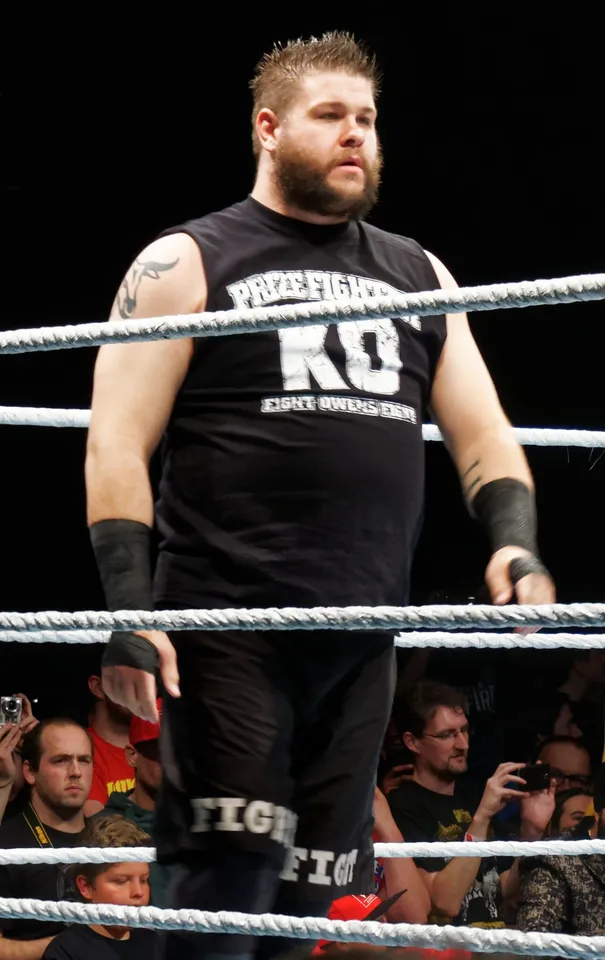
WWE advertised CM Punk versus Kevin Owens as the No Holds Barred match for SmackDown on 6 November 2026. Post-show reports from Wrestleview and Wrestling Inc. both record Owens winning by pinfall. The official preview and the later recaps serve different purposes: one describes what was promoted, while the others describe what viewers saw in the episode.
Here is a compact result reference followed by a guide to reading wrestling coverage. The focus is professional wrestling as a produced entertainment programme, including how episode dates, championship names and match labels work. It is not an instruction manual for attempting anything seen in the ring.
What happened on the 6 November episode?
The two recaps agree on Owens defeating Punk in the advertised main event. They also record Shinsuke Nakamura defeating Tama Tonga, Damian Priest winning over Nathan Frazer by referee stoppage, and the women's tag title match ending without a decisive winner. The outcome labels below are attributed to the post-show accounts rather than inferred from a promotional card.
| Match | Reported outcome |
|---|---|
| Kevin Owens vs CM Punk | Owens won by pinfall |
| Shinsuke Nakamura vs Tama Tonga | Nakamura won |
| Damian Priest vs Nathan Frazer | Priest won by referee stoppage |
| B-Fab and Michin vs Fatal Influence | No contest |
Match finish and programme recap are separate
A result line gives a compact answer. A recap may also describe entrances, interviews and developments outside the formal match. Someone checking the winner should not need to read through all those segments. Someone studying how the episode was put together may find them useful. Keep the winner field separate so a later edit to the summary cannot accidentally change the documented outcome.
Why a preview can remain online after airing
An official page may continue to display the original promotion even after the episode has aired. That is not unusual for a dated preview. Its wording is evidence of the advertised match, but its question about who will win cannot prove the result. Check the type of page before drawing a conclusion. A preview, replay listing and results article can all carry the same episode date.
Is SmackDown a league, show or title?
SmackDown is a WWE television programme. A championship is an in-programme title, and a match is a particular contest presented within a show or event. These terms are easy to mix up when a headline abbreviates them. The episode title can remain the same week after week while the matches, performers and storylines change.
One performer can appear in several contexts
A performer may be referenced in a recap of an earlier programme, appear in an interview and then wrestle on the current episode. Those appearances are not necessarily three matches. A reliable viewing record distinguishes an active match from a clip, announcement or conversation. This helps explain why someone can appear in an episode summary without being listed as a contestant on that evening's card.
Separate the weekly show from a special event
A weekly programme can promote an upcoming premium live event. The promotion might show a graphic with a future date and matches. Save that event separately from the episode in which it was advertised. Otherwise a catalogue could wrongly mark a future match as completed. A show name, event date and actual match status should be independent fields.
What does No Holds Barred mean in this context?
No Holds Barred is the match label WWE used for Punk versus Owens on this episode. It signals a stipulation in the presentation, rather than a different championship or a separate sport. Read the promotion's own description and the result account. Do not assume the phrase supplies a universal rulebook covering every similarly named match in wrestling history.
Use the advertised label accurately
If the announcement describes a match as No Holds Barred, preserve that wording as the stipulation. Do not automatically replace it with another phrase such as a cage match or a title match. A headline can make a familiar term sound interchangeable, but the event record should identify what was actually announced. When something changes, record the update and its source.
Entertainment rules are not safety instructions
Professional wrestling involves trained performers and managed production. A segment is not a safe activity to recreate at home, at school or with friends. Analysis can focus on camera coverage, pacing and storytelling rather than describing how to imitate a move. The distinction matters particularly for younger viewers who may recognise a memorable scene without understanding the circumstances in which it was performed.
How should a wrestling result be recorded?
Use participants, episode date, match type, outcome and decision method. If the coverage says pinfall, record it as pinfall. If it says no contest, do not invent a winner merely because one side was presented as gaining the upper hand. A title changing hands requires separate confirmation; a match being described as a defence does not automatically settle who holds the title afterward.
A referee stoppage is a distinct outcome label
The recaps describe Priest's result against Frazer as a referee stoppage. Record that wording without adding an unverified medical diagnosis or treating the programme as an injury report. The result can be understood without speculating about the performer's private health. If a later official statement supplies additional information, attribute it separately and keep the original outcome record intact.
No contest does not mean a tied league score
In a fictional catalogue, a match record might have status completed, outcome no contest and winner left unset. A tied football score would be a different kind of record. Do not force every contest into a win-loss numeric table. Clear categories are more informative than filling a winner field with a name just to avoid a blank cell.

CM Punk on a WWE ring apron in 2012, an archival photograph rather than footage from the 6 November episode.
Why can the episode date differ from the viewing date?
The date in a programme title commonly identifies an original airing in a particular market. A viewer in Pakistan may see it on the next local date, or later as a replay. That does not create a second episode. Use the source's original date for identification and record your local viewing time separately when it matters.
Check the stated timezone before converting
The US preview lists the episode at 8 p.m. Eastern. For a date when Eastern Standard Time is UTC minus five, 20:00 EST converts to 06:00 PKT on the following day. This is a timezone conversion, not a confirmed Pakistan broadcast appointment. A local service may make the replay available at another time. Always check the service's own local listing.
Taping, airing and uploading are different events
A programme can be recorded at one time, broadcast on another date and uploaded later. A clip timestamp does not necessarily identify when the full event happened. To distinguish those records, put recording, original broadcast and upload in separate columns, using unknown when a field is not established. This approach also keeps spoiler reports from being mistaken for a live airing.
What can viewers learn from the production?
A wrestling show uses video packages, commentary, entrances and match segments to tell a story across a fixed period. A recap package can introduce the central rivalry to a first-time viewer, while commentary can point out changes during a segment. A media student can study those choices without taking every storyline claim as a statement about a performer's real life.
Notice how a broadcast introduces context
Imagine a fictional sports entertainment programme opening with a short recap of an earlier disagreement. Its task is to help the audience understand why two characters are meeting again. In a script analysis, note which information is repeated, which details are left for later and how the sequence directs attention. You can do this without reproducing copyrighted narration or dialogue.
A camera angle is a choice, not the whole scene
A wide view can show where people stand; a close view can emphasise a reaction. Editing between them can change the sense of timing or urgency. To analyse a sequence, describe what each shot lets a viewer see. Avoid claiming to know what happened outside the frame. This distinction between observation and inference applies to news clips as well as entertainment.
How can readers avoid misleading clips and spoilers?
Start with the original episode date and the people named in the clip. A short video from a previous year can be reposted alongside a new storyline. A thumbnail may show someone who appears only in an archive segment. Before sharing a winner or surprise appearance, confirm the clip belongs to the episode discussed and that the surrounding context supports the claim.
Write a useful spoiler label
A spoiler label should name the show and date before revealing a result. A social post can say that it contains the 6 November SmackDown outcome without putting the winner in its first visible line. For a reading group or school project, agree whether the discussion will cover the preview only or the full episode. This gives others a real choice about what to open.
Use the official service for viewing information
WWE's own pages identify different services by market. Availability and pricing can change, so check the listing for your location instead of treating a US broadcast promotion as a Pakistan streaming guarantee. Do not pay an unknown account for an unofficial replay link. Official clips and licensed full episodes are different products, and the presence of one does not prove access to the other.
How can you discuss storylines responsibly?
Describe the on-screen action as part of the programme unless a reliable independent record supports a real-world claim. A scripted disagreement does not establish private hostility. An in-character statement does not necessarily describe a business decision. It is possible to enjoy a performance and examine its storytelling without making claims about the performers' private relationships, finances or health.
Separate praise from evidence
Saying you enjoyed the pacing is a personal response. Saying which match closed the programme is a factual claim that can be checked. A well-written review makes that difference visible. Instead of calling a performance objectively better because it felt dramatic, describe the cue that affected you: a pause, an earlier callback or a change in how the commentators framed the scene.
Try a two-column viewing exercise
Write observable details on the left and interpretations on the right. A production cue such as a replay or an on-screen caption belongs on the left. Your explanation of why the cue increased suspense belongs on the right. Keeping them separate lets classmates disagree about a reading without disagreeing about which evidence was actually present in the material.
Build a clean episode catalogue
Create fields for show, original air date, segment type, participant names, match label, outcome and source. Allow a preview to have a pending outcome and a completed match to have no winner when the decision is no contest. Test the structure with invented entries before using real programme data. Do not copy full transcripts or use private sources to fill missing fields.
Test the edge cases
Try an announcement of a future event, a replay of an older match and a current match with a referee stoppage. The three should appear as different kinds of record. Then check that sorting by original date does not move an archive clip into the wrong episode. Use programming courses and class resources for foundations in records, arrays and clear evidence tracking.
The key detail to retain
The 6 November preview advertised Punk against Owens, and two later reports recorded Owens winning. Save the source type beside the fact. Do not infer an unannounced title change, private injury or future storyline outcome from a dated recap. Keeping the distinctions clear makes the page useful both to fans looking for a result and to readers interested in how episodic entertainment is documented.
Keep champion status tied to a date
If an archive photo shows a performer carrying a belt, record the photo date and its verified context. Do not use it to label the performer as a current champion. In an episode database, a title held on the broadcast date is a separate field from a title visible in footage inserted from an earlier show.
Sources
- Official WWE SmackDown preview, 6 November 2026
- Wrestleview post-show results and decision labels
- Wrestling Inc. episode recap and main-event result
Image credits: cover: Miguel Discart, source, CC BY-SA 2.0. Resized and converted to WebP. inline: Steve Wright Jr., source, CC BY 2.0. Resized and converted to WebP.
Found an error or an outdated detail? Report a correction with the article URL and original source.