
Zimbabwe: Country Geography and Cricket Context
Build a Zimbabwe country profile with geography and dated sources, then distinguish national facts from cricket-team fixtures and performance records.
Check the source, publication date and examination session before relying on it.
Zimbabwe is a country in southern Africa, while Zimbabwe Cricket represents a particular sporting institution. Search results often mix country information with match reports. A useful student profile keeps geography, society, institutions and sport in separate sections so that one result does not become a description of the whole country.
Begin with a map
Locate Zimbabwe within southern Africa and identify its neighbouring countries. Harare is the capital. Distinguish a national border from an internal region and use an atlas legend to interpret rivers, roads and cities correctly.
For population, economic and language figures, choose a dated statistical source. A national total can change, and different surveys may use different definitions. Avoid presenting an old figure without its year simply because it appears near the top of a search page.
Describe people without stereotypes
A country contains varied communities and experiences. One photograph, festival or travel account cannot represent every resident. Explain the particular region or activity you are discussing and acknowledge the limits of a short overview.
Tourism information and current entry requirements are also separate subjects. A destination article should not be treated as an official permission to travel.
Put cricket in the right place
For a fixture, identify the team category, format, opponent and date. A national-team ranking is not a measure of a country's education, economy or culture. Use the cricket board for squad and schedule announcements rather than applying a general country source to sporting facts.
Our Afghanistan and Zimbabwe series guide explains how to follow a tour, while the Sikandar Raza guide focuses on player analysis.
A one-page study project
Create a map section, a table of dated facts and a short paragraph on an institution or activity. Attach a source to each factual claim and leave an uncertain item marked for further research. Our class resources support note-taking and general-knowledge practice.
Sources and image credit
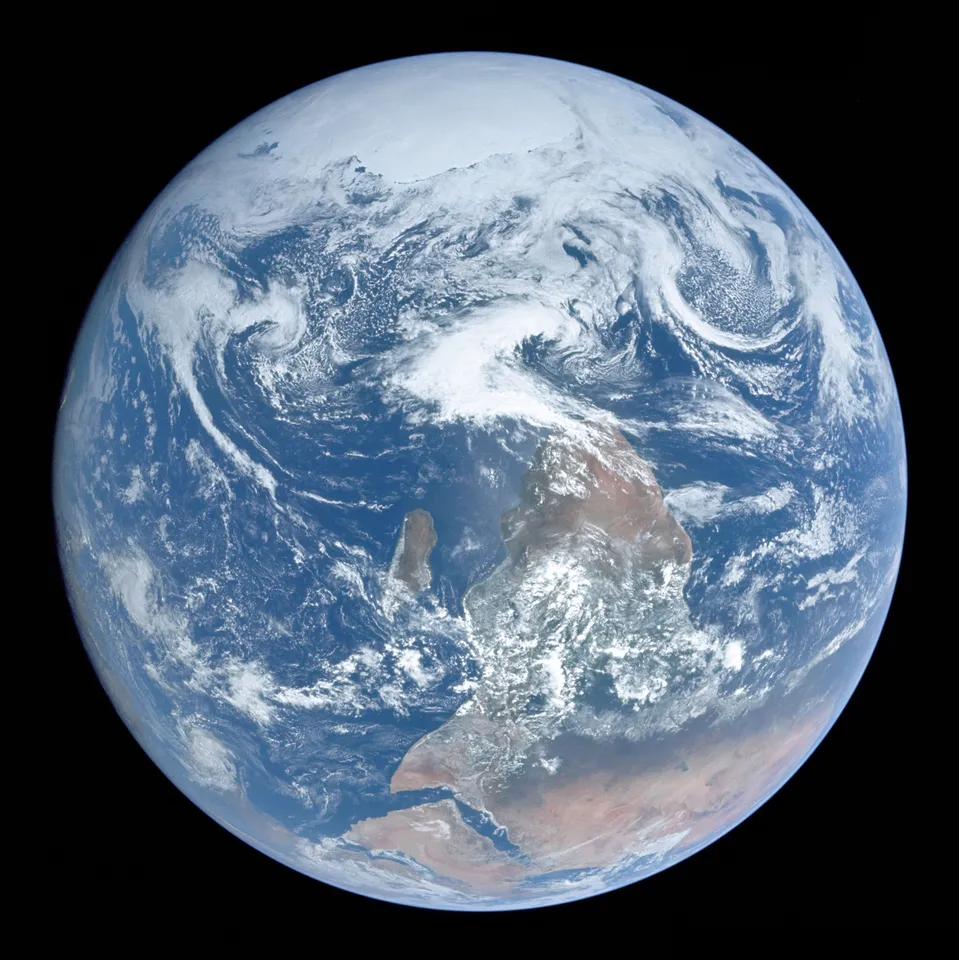
Image: NASA, Public domain. Earth photographed by Apollo 17 in 1972; historical illustration. Resized to fit within 1280 × 960 pixels without cropping; converted to WebP. No endorsement implied.
Need Direct Access to this Notification?
Check the original source for the latest instructions and any corrections.
Result dates, fees and eligibility must be checked against the board's current notice. Report a correction with the article URL and original source.