
Bangladesh vs India: The Hong Kong Sixes Placement Match
Identify Bangladesh vs India's eleventh-place play-off, distinguish Sixes records from T20Is and read the final match record without confusing formats.
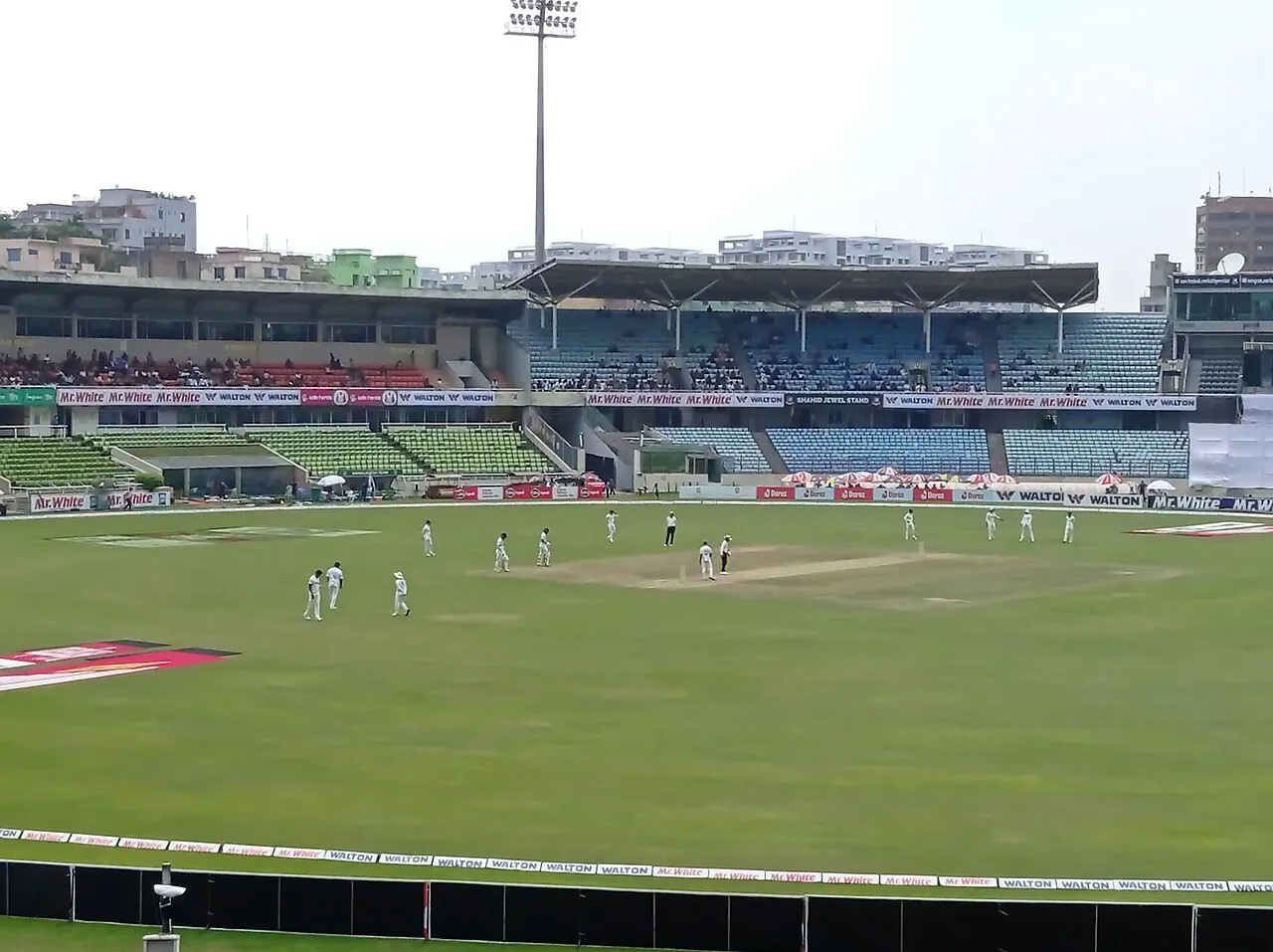
Bangladesh vs India on the Hong Kong Sixes finals-day schedule is an eleventh-place play-off, rather than the tournament championship. The organiser lists it on 1 November 2026 at 09:40 Hong Kong time, equivalent to 06:40 AM in Pakistan. This article identifies that scheduled meeting; it does not announce an unverified winner or reproduce a live score feed.
The distinction is particularly useful because searches for BAN vs IND can return senior internationals, women's matches, age-group fixtures and historical highlights. A national team name alone does not tell you the competition or statistical status. Use the event label and date before deciding which scorecard answers your question.
What does eleventh place mean here?
The play-off separates the two remaining positions at the end of this particular tournament route. A final placing describes the completed event, while a pool position describes an earlier stage. They are not interchangeable rankings.
A side's place in this tournament also does not become its world ranking. International rankings use their own categories, eligibility and calculations. Calling a team eleventh in the event is a precise statement; calling it the world's eleventh-best cricket team from that result is an unsupported leap.
Read the bracket as a map of opportunities. Some fixtures decide the overall champion, others decide a subsidiary trophy and others separate lower placing positions. Identifying the branch explains why teams can still be playing after losing their title opportunity.
The cricket qualification guide explains a different tournament structure. Compare the logic rather than importing its rules into this event. Similar vocabulary can conceal different qualification paths.
How do you know you have the right Bangladesh-India scorecard?
Check five identifiers together: the sides, competition, date, match number or stage, and venue. If a graphic omits two of these, find the complete record before sharing it. A picture of a familiar shirt is not sufficient identification.
The match format matters just as much. A six-a-side score can look unusual to a viewer expecting twenty overs or a full eleven-player innings. That unusual appearance does not establish an error; first ask whether the display belongs to Sixes.
Be alert to old browser tabs and cached snippets. A page opened earlier can continue showing its previous update until refreshed. A snippet may summarise a different meeting even when the search terms match. Read the page's own heading and status.
For a private viewing log, preserve the complete fixture label with your screenshot. This makes the image useful later when similar teams meet again. It also prevents an accurate historic snapshot from becoming misleading through a new caption.
Are Sixes runs part of a player's T20I record?
Do not add performances from this event to a T20I total merely because India or Bangladesh appears in the fixture name. Statistical categories depend on the competition's official status, not on how recognisable the team labels are.
Keep separate columns for event, format and contribution. If a batter scores in Sixes and later in a T20 international, the two entries can inform a discussion of technique, but they should not silently become one international aggregate.
This is especially important for landmarks. A caption claiming a player reached a career threshold needs a record that defines the relevant category. A clip of a boundary proves neither the player's previous total nor the status assigned to that match.
The ICC rankings explanation addresses the related distinction between ratings and performance statistics. Runs, ranking points and tournament places are different units even when all appear beside a player's name.
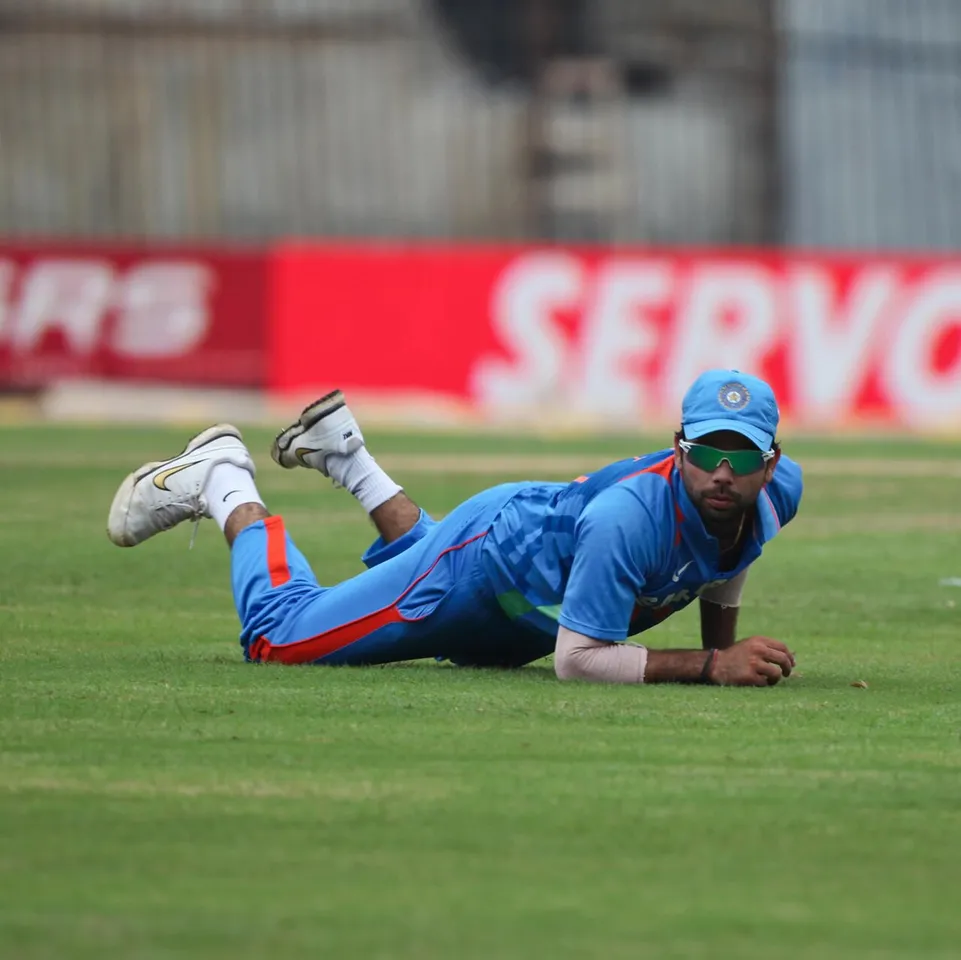
An older India ODI photograph illustrates why images and statistics must retain their format and date; it does not establish Sixes selection.
What can a short innings tell you about performance?
A short innings reveals decisions under a compressed opportunity. It can show shot selection, running, responses to a bowler and the ability to exploit a field. It supplies much weaker evidence about long-term consistency than a broad, defined sample.
Suppose a fictional batter makes twelve runs from four balls. The scoring rate is impressive, but the sample is tiny. A second batter making twenty from ten contributes more runs at a slower rate. Deciding which contribution mattered more requires their entry situations and the remaining task.
Do not infer a permanent technical weakness from one dismissal. The batter may have accepted a risk because the format demanded acceleration. Equally, format pressure should not excuse every poor choice automatically. Describe the delivery, shot and available context.
A useful review therefore combines a fact and a bounded interpretation: the batter attacked a particular area, and the field arrangement made that route attractive. It avoids unsupported claims about confidence, private instructions or a player's future career.
Which fielding details deserve attention?
Watch the space between fielders, the quality of returns and how quickly partners identify a run. Fewer fielders make coverage decisions visible, but a single camera angle may hide a player beyond the frame. Do not declare an unprotected boundary without checking the wider view.
A clean stop can deny an extra run without appearing in a highlights package. An accurate return can discourage a second run even if no dismissal occurs. Such contributions help explain pressure but should remain observations unless a defined statistical record measures them.
Distinguish a dropped chance from a ball that was difficult to reach. Crowd reaction is not a technical assessment. If the replay does not show the fielder's position or contact clearly, describe what is visible and leave the difficulty judgement open.
For a comparison task, note three non-boundary deliveries rather than the largest six. Explain where runs were gained or prevented. This often reveals more about the fielding contest than a collection of spectacular shots alone.
How should the completed result be reported?
Use the settled match record for totals, winner and margin. Then state the final placing consequence. A play-off win should not be described as winning the whole tournament, and a tournament placing should not be converted into an international ranking.
| Report element | Evidence needed |
|---|---|
| Winner and margin | Completed match status and result |
| Individual contribution | Identified batting or bowling line |
| Selection | Actual match team record |
| Final placing | Correct tournament branch |
| Historic comparison | Same category and a stated cutoff |
The full scorecard guide provides a useful comparison with a longer format. The arithmetic principles transfer, but innings length and event-specific conditions still need separate confirmation.
A concise recap can identify the result, one decisive sequence and the placing. That is enough to answer the immediate reader question without inventing a grand narrative about national cricket. Where completion has not been verified, retain the scheduled-fixture wording and update only when the necessary record is available.
Sources
Source 1 · Source 2 · Source 3
Image credits: cover: MdsShakil, source, CC BY-SA 4.0. Resized and converted to WebP. inline: Chubby Chandru, source, CC BY 2.0. Resized and converted to WebP.
Found an error or an outdated detail? Report a correction with the article URL and original source.