
Hong Kong Sixes 2026: Live Search, Replays and Viewing Guide
Find the right Hong Kong Sixes 2026 results and viewing information, with clear event dates, Pakistan-time conversion and region-specific coverage limits.
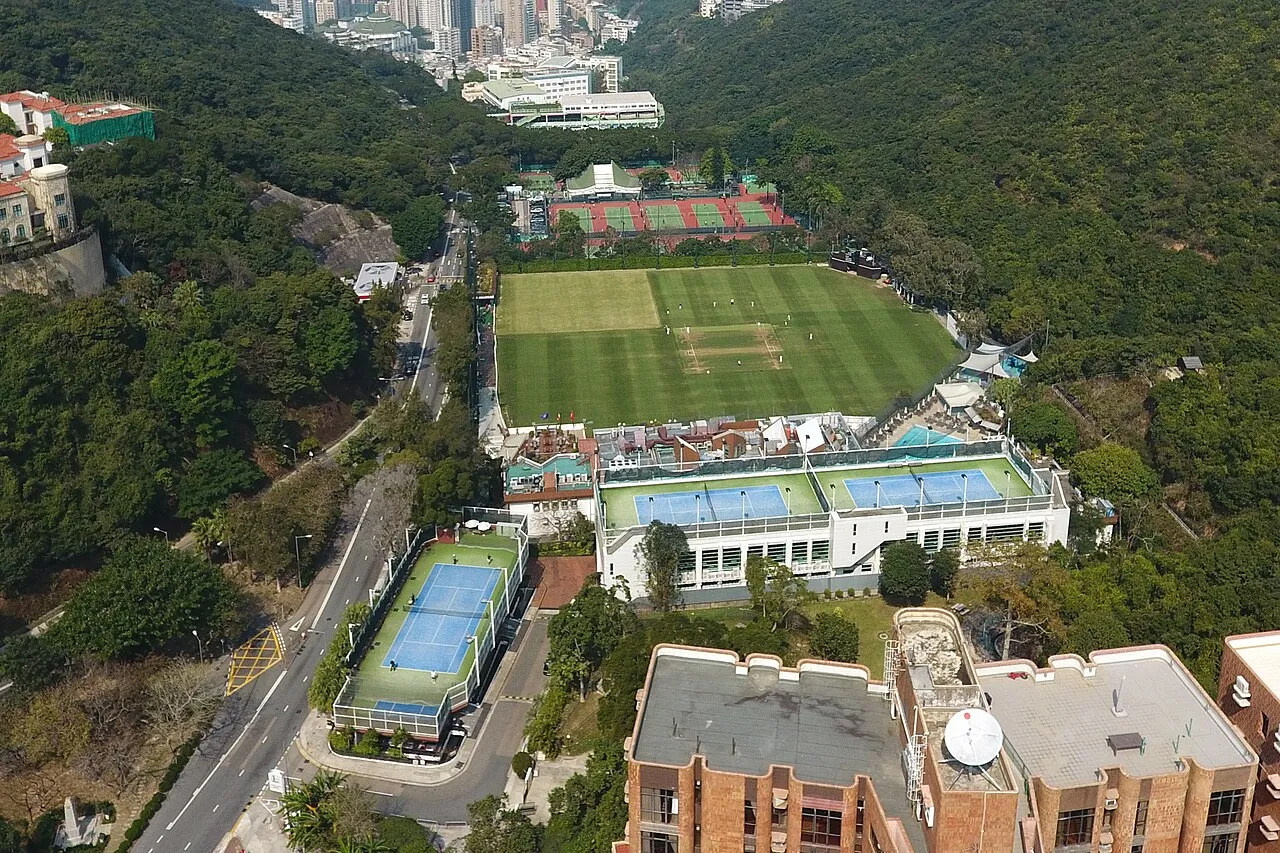
The 2026 Hong Kong Sixes ran from 30 October to 1 November at Tin Kwong Road Recreation Ground in Kowloon. If you are searching for “Hong Kong Super Six live” after the event, the useful next step is a completed result, official highlights or an authorised replay, not a page pretending the tournament is still in progress.
This guide was checked on 2 November 2026. It explains the event's identity, the difference between scores and video, and how to read dated viewing information. It does not host a live stream or promise free access in Pakistan. Original timing and interface examples below are educational demonstrations rather than current broadcast appointments.
Is Hong Kong Sixes 2026 still live?
The 2026 edition ended on 1 November. The organiser's site thanks visitors for joining the event and carries a completed tournament report. A page retaining the word live in its address or headline is not evidence that a match is happening now. Check the event date and match state before following a viewing claim.
Search terms often outlive the moment that created them. People continue typing the same phrase to find a final, highlights or a score they missed. A helpful page should recognise that changed need instead of forcing a countdown or an unavailable video player onto a completed event.
For a fictional interface exercise, imagine three labels: live now, replay available and event completed. Each should describe something different. A completed event can have a replay, but a replay is not live. If no authorised replay is verified, the interface should offer a result rather than imply that a video exists behind another button.
That is the approach used here. The guide links readers towards official event information and explains the boundaries of the available evidence. It does not imitate a broadcaster or label a historical photograph as a live match window. Clear status is more useful than animation suggesting activity that is not happening.
Is “Super Six” the official name of this event?
The organiser uses Hong Kong Sixes for the competition. Searchers may add super, write Hongkong as one word or use other informal variants. Similar wording can also refer to a qualification stage in another cricket tournament. Confirm the event name rather than assuming every “super six” result describes this six-a-side competition.
The date and venue make the identification stronger: the 2026 event at Tin Kwong Road Recreation Ground. A result from a previous edition or a different cricket format may contain familiar national teams without answering the current query. Names alone are not enough when a competition returns in several years.
Create a simple identification card with edition, venue, organiser and event dates. A reader should be able to compare it with a video title before opening the video. This small amount of context can prevent confusion more effectively than a long list of keywords that never explains which event the page actually covers.
Do not treat a search variant as a separate tournament merely to create another result page. Here the variants are explained within one useful guide. The separate final article addresses the completed championship outcome, while this page answers the viewing and event-identification questions. Different pages should serve different needs rather than duplicate the same paragraphs.
Where should you look for the official schedule?
Use the organiser's fixture page to identify the event's rounds and listed times. It labels times in HKT and separates the days of competition. A schedule is a guide to arranged fixtures, not necessarily a complete scorecard or a promise that every listed game has an immediately accessible replay.
After a tournament ends, the fixture page can remain useful as an archive. Read it together with completed reports when you want the outcome. A planned slot can help identify which game you missed, while the report confirms who won. Do not use an old “v” display to overturn a later confirmed result.
For an original activity, take three fictional scheduled matches and give each a status: planned, completed or postponed. Keep the appointment and result fields separate. If a result is missing, show unknown rather than zero. The exercise illustrates why a reliable schedule needs more than two team names and a clock.
The same lesson applies when a match's opponent depends on an earlier result. A bracket placeholder such as winner of a semi-final describes a qualification route, not a team already confirmed. Replace the placeholder only after the preceding outcome is established. That prevents an attractive tournament chart from publishing an invented finalist.
How does Hong Kong time convert to Pakistan time?
Hong Kong time is UTC+8 and Pakistan time is UTC+5, so an explicitly HKT-labelled start converts to Pakistan by subtracting three hours. For a fictional example, 10:00 HKT becomes 07:00 in Pakistan. Do not apply that conversion again if the website has already localised its display to your device.
The organiser's fixture page provides HKT labels, which are important context for readers outside Hong Kong. A bare “10:00” could mean several things. Preserve the original label in your notes and write the converted zone alongside the new time. That makes the calculation understandable rather than leaving another reader to guess what changed.
When converting an early-morning appointment, check the date too. A fictional 01:00 HKT event would be 22:00 in Pakistan on the previous day. Subtracting three from the hour without changing the date creates a calendar mistake. Dates and times should be converted together, even in a simple reminder.
These are conversion exercises, not newly announced fixtures. The 2026 event is already complete at the time of this guide's check. Use the method for reading an archived schedule or a future confirmed appointment, but do not mistake an example's clock for evidence of another live match today.
A cricket umpire in a historical photograph. General sporting context, not an official or incident identified at the 2026 Hong Kong Sixes.
Is a live score the same as a live stream?
No. A live score is a data update about play; a live stream is video or audio coverage subject to its own availability and rights. A website may offer one without the other. A page showing a score does not establish that it is authorised to provide the corresponding video.
This distinction helps when a search result says watch and then displays only text. Text commentary can still be useful, but it should be labelled honestly. Likewise, a link to highlights should not be described as the full live broadcast. The title needs to match what the user actually receives.
For a design exercise, build three different cards: scorecard, highlights and full replay. Give each a plain description and only show a link when that resource is verified. Do not reuse the same “watch live” button for all three. Accurate labels reduce frustration and prevent a page from relying on misleading clicks.
Our broader cricket fixtures guide explains how match identity and update state work. The principle transfers here: a clear result card can be valuable without pretending to be a television service. Users should know whether they are reading data, watching selected moments or viewing a complete recording.
What did the organiser announce about Indian coverage?
An organiser announcement dated 15 October named Sony Sports Network and FanCode for Indian coverage. That is a territory-specific historical announcement. It does not establish Pakistan availability, a free subscription, a current replay catalogue or permission to access a service from every country. Coverage claims need their region and date attached.
This is an important boundary for a Pakistan-based reader. A legitimate provider in one market may have different rights or access rules elsewhere. Do not interpret the absence of a verified Pakistan listing here as proof that no legal option existed. It means this guide is not claiming an option it has not verified.
If you are seeking a replay now, check the provider's current official catalogue and access conditions for your region. A pre-event broadcast announcement cannot guarantee how long recordings remain available. A package, free trial or price can also change, so an old article should not present it as an enduring offer.
Avoid entering account details into a page that imitates a broadcaster but cannot establish its identity. A useful sports guide does not need your password to explain where a result was published. Follow official links directly and read what the destination actually offers rather than trusting a familiar logo pasted onto an unrelated page.
How do highlights differ from a complete account?
Highlights select moments from a match. They can show boundaries, wickets and celebrations while omitting much of the play between them. That makes them entertaining and informative, but not a complete sample for every statistical or tactical conclusion. A result and a full scorecard provide other kinds of information.
Suppose an invented highlights clip contains five sixes and no dot balls. You cannot conclude that the innings contained no dots. The selection rule favoured exciting moments. This is a simple example of sample bias: what appears in the clip is not necessarily distributed like everything that happened in the match.
For a viewing exercise, write down what the clip establishes and what remains unknown. A clearly shown boundary may support an observation about that shot. It cannot establish the batter's whole innings strike rate unless the complete runs and balls faced are supplied. Use the relevant record for the calculation.
Do not create a false impression of live coverage by embedding an old highlights video without a date. A historical clip can remain useful when labelled with edition and fixture. The label does not reduce its interest; it lets a viewer understand what they are watching and why it belongs on the page.
What should you read after the tournament ends?
Start with the organiser's completed report and identify which division or fixture it describes. Cup, Plate and Bowl outcomes are different parts of the event, not three interchangeable overall champions. A search snippet celebrating one final may answer a narrower question than “who won the main title?”
Our 2026 final explainer focuses on the championship outcome and the recorded chase. This viewing guide instead explains how to find and identify the right resource. Keeping those purposes separate helps each page answer a real question instead of repeating the same score in several lightly changed articles.
For a classroom archive, save the result's source link, event date and the date you checked it. Add a replay link only if its availability has been confirmed. That makes future updates straightforward: a removed video need not erase the match record, and a corrected result need not alter the original scheduled appointment.
Build a more useful viewing checklist
Before following a viewing link, identify the edition, match and current status. Check whether the promised resource is a score, highlights, replay or stream. Confirm territory and current provider terms. If a page asks you to install unrelated software or hides the event identity, return to the official competition information rather than treating extra clicks as proof of access.
You can turn the checklist into a small interface in our programming courses. Use explicit resource types and timestamps, and do not render a live badge when no live source exists. A professional page does not need to exaggerate. Clear information about a completed event is more useful than a broken player framed as an opportunity to watch it now.
For a final usability check, ask another reader whether this page offers a live video. The answer should be clearly no: it explains a completed event and points towards official resources. If a heading or button suggests otherwise, change that wording. A viewer should understand the resource before clicking, not discover the difference only after waiting for a player that was never promised by a verified source.
Sources
- Hong Kong Sixes: official fixture archive, for event dates, venue context and HKT-labelled scheduling.
- Organiser: South Africa announcement, dated 15 October 2026, for the historical India-specific coverage announcement.
- Official event site, for the completed-event context. Time examples and interface activities are original demonstrations.
Image credits: cover: Wpcpey, source, CC BY-SA 4.0. Resized and converted to WebP. inline: Andy Todd, source, CC BY-SA 2.0. Resized and converted to WebP.
Found an error or an outdated detail? Report a correction with the article URL and original source.