
India vs Pakistan: Why a Sixes Win Did Not Settle Group C
Understand Pakistan’s 2026 Sixes win over India, the Group C points scenario and why head-to-head results differ from tournament progression.
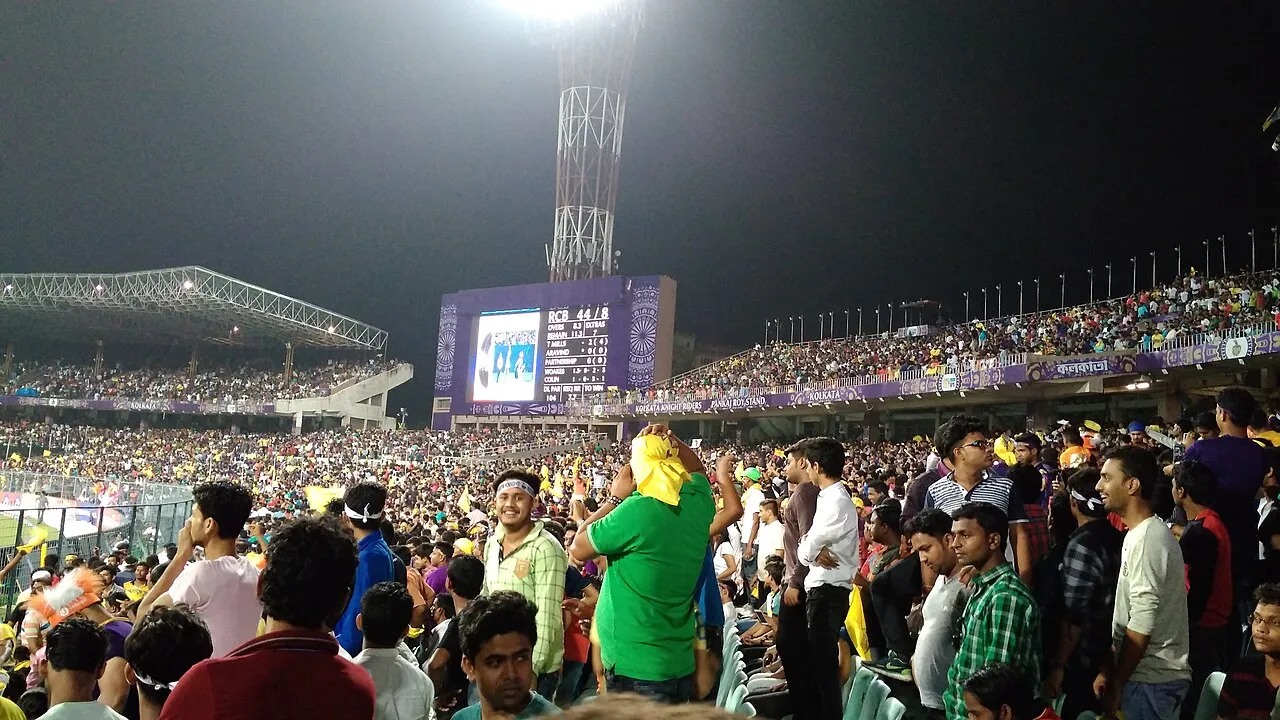
Pakistan beat India by four wickets in Group C of Hong Kong Sixes 2026 on 30 October. That result did not automatically settle the group's final order or award the main Cup title. The useful follow-up question is why a prominent head-to-head win and a team's tournament route can tell different stories.
This guide, checked on 2 November 2026, focuses on group progression and the organiser's stated six-hitting tie-break context. It is distinct from a simple match preview or result recap. It does not invent a final sixes tally, import another tournament's ranking rules or describe every India–Pakistan fixture as the same type of international match.
What was the recorded India–Pakistan result?
The organiser's structured feed records India at 88/5 from six overs and Pakistan at 91/2 from 3.5 overs, declaring Pakistan the winner by four wickets. The accompanying report corroborates the result. These are figures for the Hong Kong Sixes Group C meeting, not a standard T20I or ODI result.
The format label matters when discussing the rivalry. A country pairing can appear in senior internationals, age-group events, women's cricket and short-format invitation competitions. A result from one belongs to its own category; it should not silently be added to a head-to-head total built from another.
Use a result card with event, stage, date and team level. A reader should know which match is being discussed before seeing a historical claim. National flags make a card recognisable, but they do not supply the competition rules or establish that two different statistical categories are comparable.
The organiser's summary lists the final Pakistan total as 91/2, while some prose uses the target number in describing the successful chase. This guide preserves the structured final total rather than treating every appearance of 89 as the same field. A target and an actual completed total are different quantities.
Why was the group not decided by that one win?
A group ranking depends on all relevant results and the event's rules. The organiser's report explained that an India win over UAE would leave the three sides level on points and bring a most-sixes condition into the Cup qualification discussion. That was a specific published condition, not a universal rule for cricket tournaments.
The report's statement was prospective when written on 30 October. It described what would happen if another result occurred. Keep that conditional wording rather than presenting it as a final table published at that moment. A forecast of the rule's application and a completed ranking are different records.
This distinction explains a common puzzle: a supporter can celebrate a head-to-head win and still need to follow another group fixture. The earlier win remains real, but qualification may depend on how all teams finish. The group is a system of connected results, not a collection of separate victories with no wider relationship.
For a beginner, draw three teams in a triangle. Each edge represents one match. Reading only one edge cannot describe the whole triangle. You need the other results and the declared ranking method before deciding which team occupies which position. The diagram makes the missing information visible.
How can three teams finish with equal wins?
In an original fictional group, Team A beats B, B beats C and C beats A. Each has one win and one loss. No team defeated every opponent, and no single head-to-head result can establish a unique first place. The competition therefore needs a rule for ordering that tied record.
This circular pattern is not a contradiction. It shows why statements such as “A beat B, so A must rank above everyone” can fail. The same reasoning applied to another pair would point in a different direction. A declared tie-break provides a consistent method instead of allowing supporters to choose their preferred edge.
You can practise with cards rather than numbers. Give each team one win card and one loss card, then ask learners to sort them using only those two fields. The inability to produce a unique order is the lesson. Do not solve it by inventing an extra win that the group never recorded.
Next, introduce a clearly stated fictional tie-break. Apply it to all three sides, even if the result differs from personal preference. The exercise teaches procedural fairness: the ranking criterion should be known and applied consistently, rather than selected afterwards to justify a particular winner.
What did the organiser say about sixes?
The 30 October report listed a current Group C sixes tally of Pakistan 23 from two matches, UAE twelve from one and India seven from one. It connected the most-sixes measure to the possible points tie. Those were interim counts with unequal matches completed, not a final ranking to copy without the remaining fixture.
The unequal sample sizes are important. Pakistan's listed count already included two games, while the other sides had another opportunity in the stated scenario. Comparing the raw numbers without reading the matches column could make an unfinished situation appear settled. The missing fixture is part of the explanation, not a small footnote.
This guide does not invent the final boundary totals from an incomplete report. The organiser's completed bracket identifies the subsequent routes, while a definitive full tally would be needed to reproduce every ranking calculation. Report the route from the bracket and the interim rule context from the dated report without merging them into a fabricated table.
For a fictional exercise, give one team twenty sixes from two matches and another fourteen from one. Ask whether the first is guaranteed to finish ahead after the second's remaining game. It is not. The answer depends on the additional count, so the current lead should not be confused with a completed final order.
Pakistan cricket venue context; not the Hong Kong Group C fixture.
Why should net run rate not be assumed here?
Many cricket followers are familiar with net run rate, but familiarity does not make it the controlling tie-break in every event. The organiser explicitly discussed sixes for this group scenario. A correct explanation follows the relevant event's conditions rather than replacing them with a remembered rule from a different tournament.
The same caution applies to head-to-head records or wickets lost. Each can be used in particular competitions, but none should be imported without evidence. A reader's first question should be “which rule applies?” before beginning a calculation. Otherwise, precise arithmetic can produce an answer to a rule the event never used.
Use a classroom demonstration with identical fictional match results but two different declared ranking systems. One ranks by a chosen boundary count; another uses a different stated measure. The order may change. That does not mean mathematics is unreliable; it means the question and rules define what the numbers are intended to decide.
Do not turn the demonstration into a claim that an organiser can change criteria at will. The learning point is to identify and follow the applicable conditions. If a real dispute concerns interpretation, the official regulations and decisions are the appropriate evidence. A general article should not invent an adjudication from a search snippet.
What routes did the completed bracket show?
The organiser's fixture archive places UAE on the Cup route, Pakistan in the Plate and India in the Bowl phase. These are the completed bracket labels for the event. Pakistan's win over India and those later routes can both be true because one describes a match and the other the group's resulting classification.
This is where careful wording matters. “Pakistan beat India” is a result statement. “Pakistan won the main Cup because they beat India” adds an unsupported conclusion. The outcome of a prominent pairing does not replace the structure that determines which later trophy a team contests.
A diagram should keep match result, group classification and final placing in separate boxes. Arrows can connect them, but the boxes should not overwrite one another. A result remains part of the record even when the later route differs from what a supporter expected after watching that one fixture.
Our Pakistan–UAE chase guide covers the other Pakistan group encounter. Reading both fixtures within the group structure is more informative than treating either as the whole campaign. The separate articles answer different questions while retaining the same event identity.
How can a rivalry headline distort the reading?
A well-known pairing attracts attention, but prominence is not a competition rule. The most watched group game does not necessarily award more points or decide a title on its own. A useful headline should identify the sporting stage rather than imply that the rivalry changes the event's ranking system.
The same principle applies to language about national superiority. One short-format result cannot establish the quality of an entire country's cricket across every format, age group and year. It establishes the outcome of the identified match. Broader comparisons require a defined sample and appropriate evidence.
For a media-literacy exercise, rewrite an exaggerated fictional headline into two sentences. The first states the result and format. The second explains the qualification question still open. You have not removed the interest; you have preserved the boundary between an achievement and a claim the achievement cannot prove.
This approach also makes sports discussion more welcoming. A learner can enjoy the rivalry without being expected to repeat insults or treat a defeat as a judgement about people beyond the field. Specific evidence, clear categories and respect can coexist with enthusiasm about a recorded win.
Build a group-table learning activity
Use three fictional teams and store each match once. Derive the win-loss record, then keep the chosen tie-break field separate. Include a matches-completed column so an interim comparison does not look final. State that the activity's rules are a simplified model unless it reproduces verified event conditions completely.
Test a circular set of wins and a remaining unplayed fixture. The interface should show when the group is unresolved rather than awarding a winner early. It should also distinguish a route label such as Plate from a final placing, because a later game may still determine the latter.
You can build this in our programming courses. Add a small explanation beside the table that says why the order changed after an invented result. The aim is not a faster animation but a learner who can connect the input, the declared rule and the updated state.
Then give the activity to another reader without coaching them. Ask why a head-to-head win did not alone settle the group. If they can point to the remaining results and tie-break, the activity has taught a transferable idea. If they answer only with a team name, improve the explanation before adding more decoration.
A final check before sharing the table
Name the event and stage, attach a date to interim numbers and identify the rule used. Do not compare unequal completed samples as if every team has finished. Keep a conditional scenario separate from a confirmed route, and preserve the completed fixture results even when the final classification surprises you.
That is the main lesson of this India–Pakistan example. A match can produce a clear winner while the group requires further results and a specific ranking method. Reading both levels carefully gives the sporting achievement its proper meaning without turning one memorable afternoon into an unsupported account of the whole tournament.
To review the idea, give a friend the fictional triangle of wins without a tie-break. Ask them to name a unique group winner and explain their method. Then supply the declared extra measure and compare the new answer. The change should come from the rule and complete inputs, not from personal preference. That is why a memorable rivalry result remains one part of a group record rather than a shortcut around the competition's conditions.
Sources
- Organiser: India–Pakistan report and interim Group C context, dated 30 October 2026.
- Official result feed, record 5515, for the attributed final score.
- Official fixture and progression archive, for the completed Cup, Plate and Bowl routes. Triangle groups and boundary-count scenarios are original fictional exercises.
Keep the source date alongside your notes so that a later update can be compared with the same clearly identified record.
Image credits: cover: Indraprakashinfo, source, CC BY-SA 4.0. Resized and converted to WebP. inline: Younisjunejo, source, CC BY-SA 4.0. Resized and converted to WebP.
Found an error or an outdated detail? Report a correction with the article URL and original source.