
Badalona Women vs Barcelona: 0-4 Result and Goal Guide
Explore Badalona Women vs Barcelona with clear explanations, worked examples, source checks and practical questions for independent student learning.
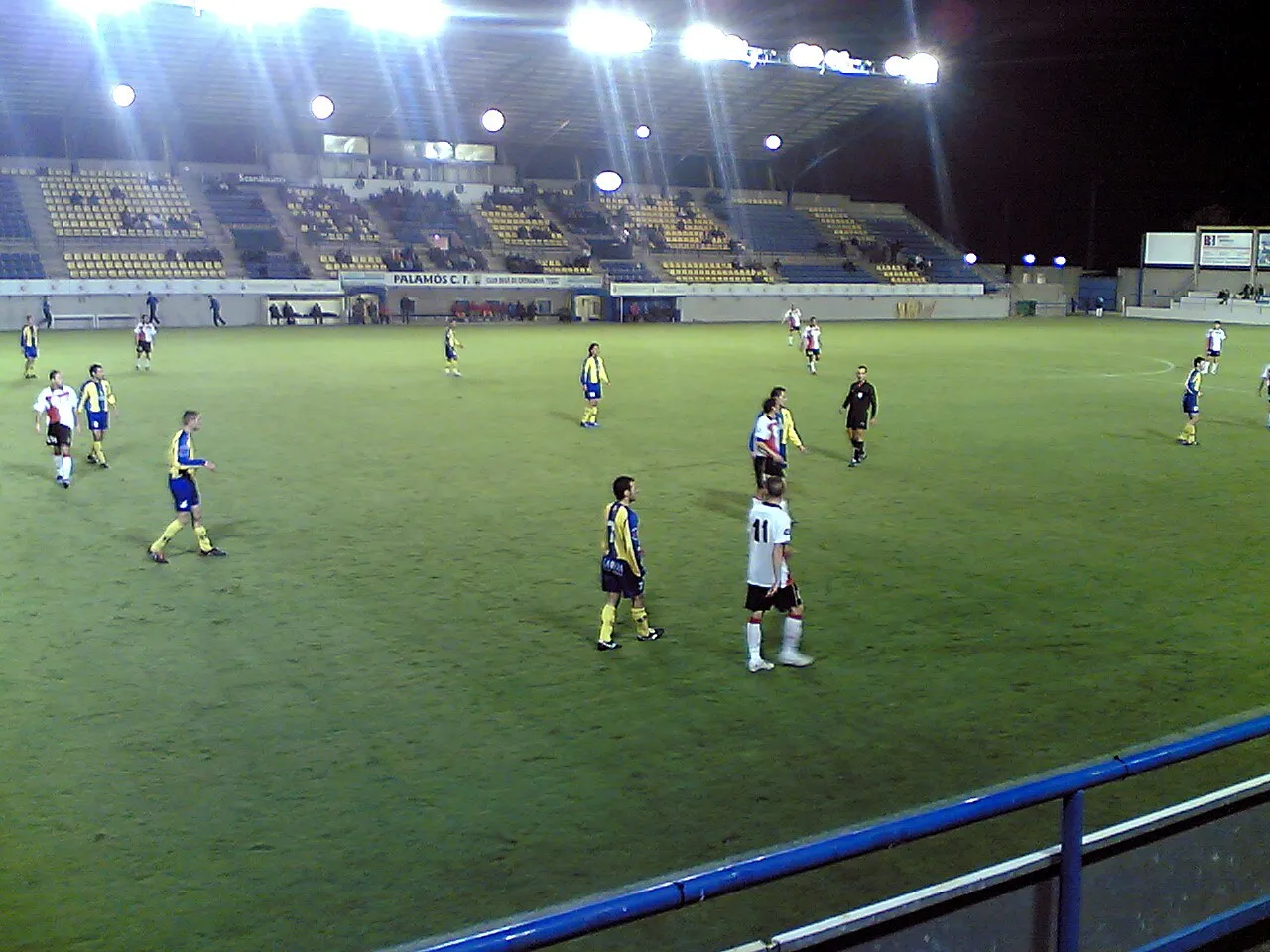
Barcelona's women's team beat Badalona Women 4–0 at the Municipal de Palamós on 1 November 2026 in Liga F. The official Barcelona report credits two goals to Kerolin and one each to Graham and Pina. In home-away order, the completed fixture is Badalona Women 0, Barcelona 4. This is the women's league meeting, not a men's Barcelona result.
This guide was checked on 2 November 2026. It explains the match identity, the change from half-time to full-time and the difference between possession, individual goals and the team score. It does not claim a personal visit or invent a full event log. Additional examples are fictional classroom activities.
Why does the team category belong in the headline?
Large clubs can field men's, women's, youth and reserve sides, sometimes with fixtures on the same weekend. A search for Barcelona without a category can return several different teams. The competition name and full team label prevent a women's result from being attached to the wrong squad or league table.
This fixture is identified by Liga F and Badalona Women. Some search wording retains Levante Badalona, while current official material uses Badalona Women. Resolve the match through its date, opponent, competition and venue rather than treating every variation in the name as a separate event.
For an original database exercise, give a club separate identifiers for its men's and women's teams while preserving the shared club name. A display can remain familiar to supporters without merging incompatible records. Clear identity is a basic requirement, not an optional detail to add after a result has already been published.
What does the confirmed 0–4 result tell us?
Badalona Women scored zero and Barcelona scored four in the completed match. The winning margin is four, and the total number of goals is also four in this particular scoreline. Those quantities happen to match because one side scored zero. They are still different concepts and will not match in every result.
Compare an original fictional 4–1 result. It has a three-goal margin and five total goals. If a learner memorises that margin and total were equal in 0–4, they may apply the wrong rule later. Teach the formulas instead: difference for margin, addition for total.
The result also gives Barcelona a team clean sheet. It does not, by itself, establish a goalkeeper's save count, the number of shots faced or every defensive contribution. Those questions need the relevant records rather than an assumption that no goal conceded means no danger occurred.
How were the four goals distributed?
Barcelona's official account names Kerolin twice and Graham and Pina once each. Two plus one plus one equals the team total of four. This is a simple but important consistency check: an individual scorer list should agree with the completed score unless an own goal or another clearly identified category explains a difference.
Kerolin's two goals account for half of Barcelona's recorded goals in this fixture. That is a share of team goals, not a share of all attacking work or a universal player rating. A percentage needs its denominator stated, especially when an attractive graphic might encourage readers to interpret it more broadly.
For an original exercise, imagine a four-goal team performance with four different scorers. The team score matches this fixture, but the individual distribution differs. Equal team outcomes do not imply identical contributions, and a result page should preserve both levels of information.
What happened between half-time and full-time?
The club account records Barcelona leading 1–0 at the interval and winning 4–0. Comparing those snapshots shows three additional Barcelona goals in the second half and no additional Badalona goal. That arithmetic describes the scoring change without reconstructing every minute of play.
A half-time comparison is not a complete timeline. It shows the state at an interval and the final state. Exact later goal times require the verified event list. This guide does not invent minute labels merely to make a chart look detailed or to imitate a live commentary feed.
Use an original step-chart exercise with a fictional 0–1 interval and 0–3 final result. Ask learners to calculate the second-half scoring contribution and explain why it is not three. The final total already includes the earlier goal, so the change is found by subtraction rather than repeating the final number.
What does an early lead establish?
The official report describes Kerolin opening the scoring in the fifth minute. That identifies an early score change and gives the reader a clear starting point. It does not mean every later passage was effortless or that the final four-goal margin was already inevitable at that moment.
For an original comparison, two imaginary teams each score after five minutes. One later wins 1–0 and the other loses 1–2. The same early event can lead to different outcomes. A match report should not turn knowledge of the final score into a claim that the opening minutes guaranteed the result.
When writing a retrospective, distinguish what was known then from what is known now. At 0–1, Barcelona led by one; at full-time, they had won by four. Both are accurate snapshots. Clear chronology helps the reader experience the change without an invented sense of certainty.
How should possession be interpreted?
Possession statistics need a period as well as a value. A figure presented for one half should not automatically become the full-match percentage. Check the provider's labels and preserve the scope of the measurement rather than silently extending a partial statistic to the whole fixture.
Possession is also different from goals and chance quality. A side can circulate the ball without creating a shot on every sequence. To evaluate how possession was used, a viewer needs relevant observations such as location, progression and the opportunities produced. The percentage alone does not explain every part of the performance.
For an original classroom model, give an imaginary side seventy-five of one hundred equal time units with the ball. That represents seventy-five percent in the simplified model. It does not create seventy-five percent of the goals or a seventy-five-percent probability of winning. The unit defines the meaning.
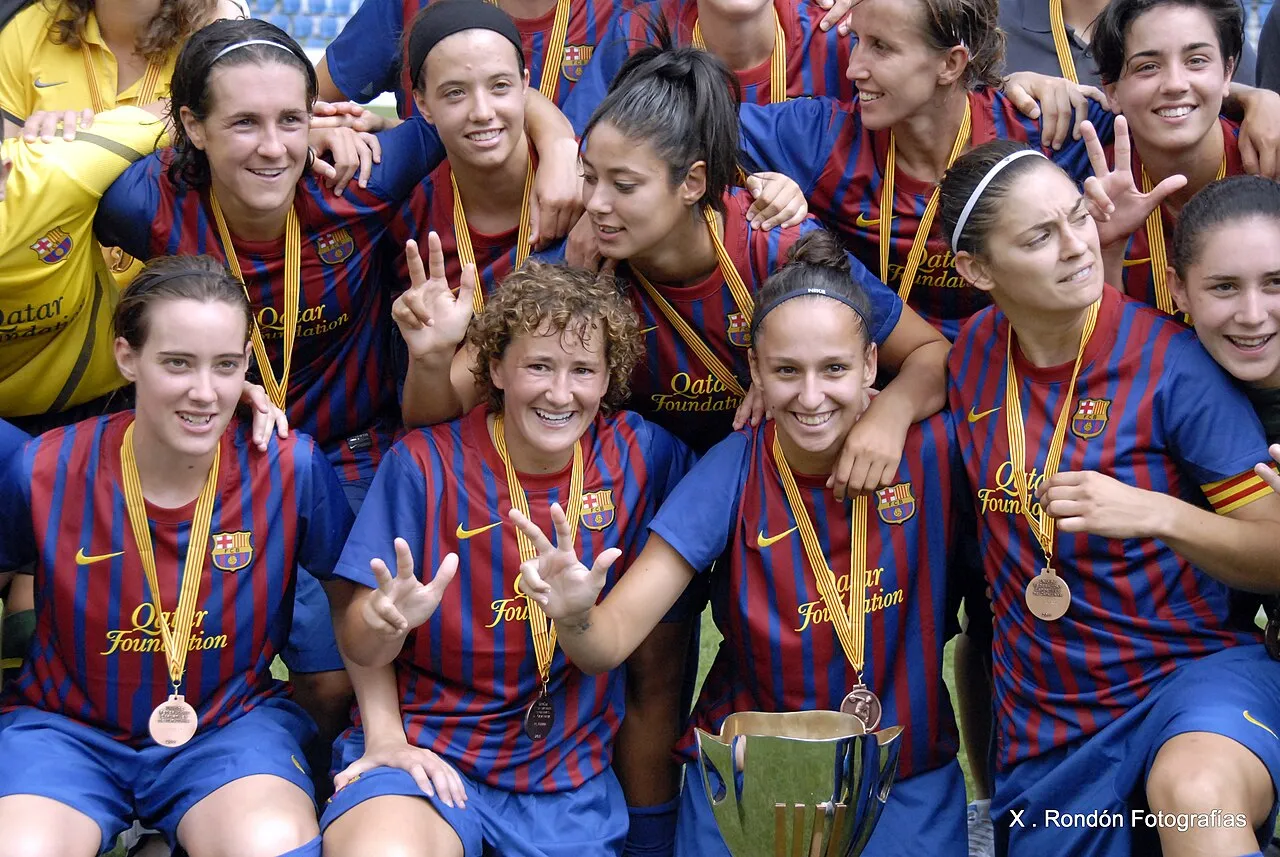
Historical Catalunya Cup final context involving Espanyol and Barcelona, not the November 2026 Badalona fixture.
Does a crossbar attempt count as a goal?
No. An attempt striking the crossbar is not a goal unless the ball subsequently crosses the goal line in a way that produces a valid recorded goal. A dramatic early attempt and a later confirmed opener are separate events. The scoreboard must distinguish the outcome of each rather than treating every near miss as a scoring change.
This is a useful distinction for beginners reading energetic live commentary. Words such as close, chance and woodwork describe an attempt or reaction, not a scoring outcome. A result component should update on a confirmed valid goal rather than on every dramatic phrase in the feed.
For an original event-list exercise, include a shot wide, a crossbar attempt and a valid goal. Ask which event changes the scoreboard. Then add a disallowed goal and explain why its initial appearance in a live narrative does not make it part of the final tally.
What does a brace mean?
A brace means two goals by one player in a match. It is different from a hat-trick, which means three. Kerolin's two goals in the official scorer list provide a clear example of a brace. The term should not be applied to two team goals scored by different players.
An original worksheet can show a team scoring five times with individual totals of two, two and one. Two players have braces, but neither has a hat-trick. The team score alone does not reveal that distribution; the individual event record is needed.
Keep terminology accessible. A beginner-friendly article can introduce the sporting word and immediately explain it. There is no need to replace a clear sentence with unexplained jargon simply to make the writing sound expert. Precision and readability can work together.
How does the win affect league points?
The official club account describes three more Liga F points. Under the standard win-draw-loss system, four goals do not create four points. The points follow the result, while the goals contribute to the relevant goal totals and ranking criteria. Keep those columns separate in a table.
For an original exercise, compare a 1–0 win, a 4–0 win and a 2–2 draw. The wins each contribute three points, while the draw contributes one. Their goals and margins differ. The exercise shows why a league table needs several clearly labelled fields rather than one combined “score” column.
This article does not calculate a permanently current league position from the fixture alone. Other results, match counts and the organiser's ranking rules matter. A dated post-match statement can be useful, but it should not be republished indefinitely as though the standings cannot change.
How can students analyse a team performance fairly?
Begin with a specific question: how did the score change, how were goals distributed or what did a verified passage show about possession? Use evidence appropriate to that question. Avoid replacing observation with assumptions based on the badge, previous success or a large final margin.
For an original exercise, give learners the interval score, final score and scorer distribution without any video. Ask which questions they can answer and which remain open. They can calculate goals added and individual shares. They cannot describe every passing pattern, defensive decision or player's private intention.
Then add one age-appropriate, legally available clip and ask what new evidence it supplies. A clip can improve understanding of that moment without becoming a complete representation of ninety minutes. The scope of the material should remain visible in the written conclusion.
What should photographs and captions show?
A historical venue photo can illustrate the setting, while a historical team image can introduce the relevant side. Neither should be labelled as this specific fixture unless its provenance supports that claim. A caption should identify the visible context and avoid implying that a generic stadium view proves a particular goal.
The same care applies when using a photograph of a club's men's ground. It may be recognisable but still mislead readers about where the women's match took place. This fixture's official report identifies the Municipal de Palamós, so any other venue image must be labelled as broader context rather than the match location.
For an original media-literacy task, compare a photograph's actual date and place with a proposed caption. Ask whether the caption states only what the image can establish. An attractive photograph is most useful when its role is honest and the reader is not asked to mistake illustration for documentary proof.
A final result-reading challenge
Create a fictional women's fixture that ends 1–4, with the away side scoring once before half-time and three times after it. Calculate the total goals, margin and second-half contribution. Then change the home score to zero and explain which quantities change and which remain the same.
Add an individual scoring distribution and check that it matches the team total. Finally, label the competition and team category clearly. The exercise combines arithmetic with identity checks, because a correct number attached to the wrong team is still an inaccurate result.
Explore more football learning articles to practise those habits. The verified Badalona–Barcelona result offers a clear example: identify the women's fixture, retain the date and venue, separate team goals from individual goals and keep a first-half statistic within its stated scope.
Before sharing a women's result, check that the surrounding links also point to the intended side and competition. A correct headline can still mislead if its table, badge destination or next-fixture link belongs to another squad. Keeping identity consistent across the whole card is as important as placing the right score beside the right names.
For a separate men’s fixture illustrating score changes, see our Getafe–Sevilla guide.
Sources
- Barcelona: official Badalona match report, for venue, scorer distribution, interval state and the interval and scoring account.
- Liga F: official result and highlights listing, for the 0–4 fixture identity.
- LaLiga: Barcelona women's results, for the dated competition result. All other fixtures and numerical models are original fictional teaching examples.
Image credits: cover: Oscar Delay, source, CC BY-SA 3.0. Resized and converted to WebP. inline: Xavier Rondón Medina, source, CC BY-SA 2.0. Resized and converted to WebP.
Found an error or an outdated detail? Report a correction with the article URL and original source.