
Qualcomm Snapdragon Explained: SoCs, Processing, Modems and Device Claims
Learn how Snapdragon platforms combine computing functions, distinguish CPUs, GPUs and modems, and read device claims without assuming compatibility.
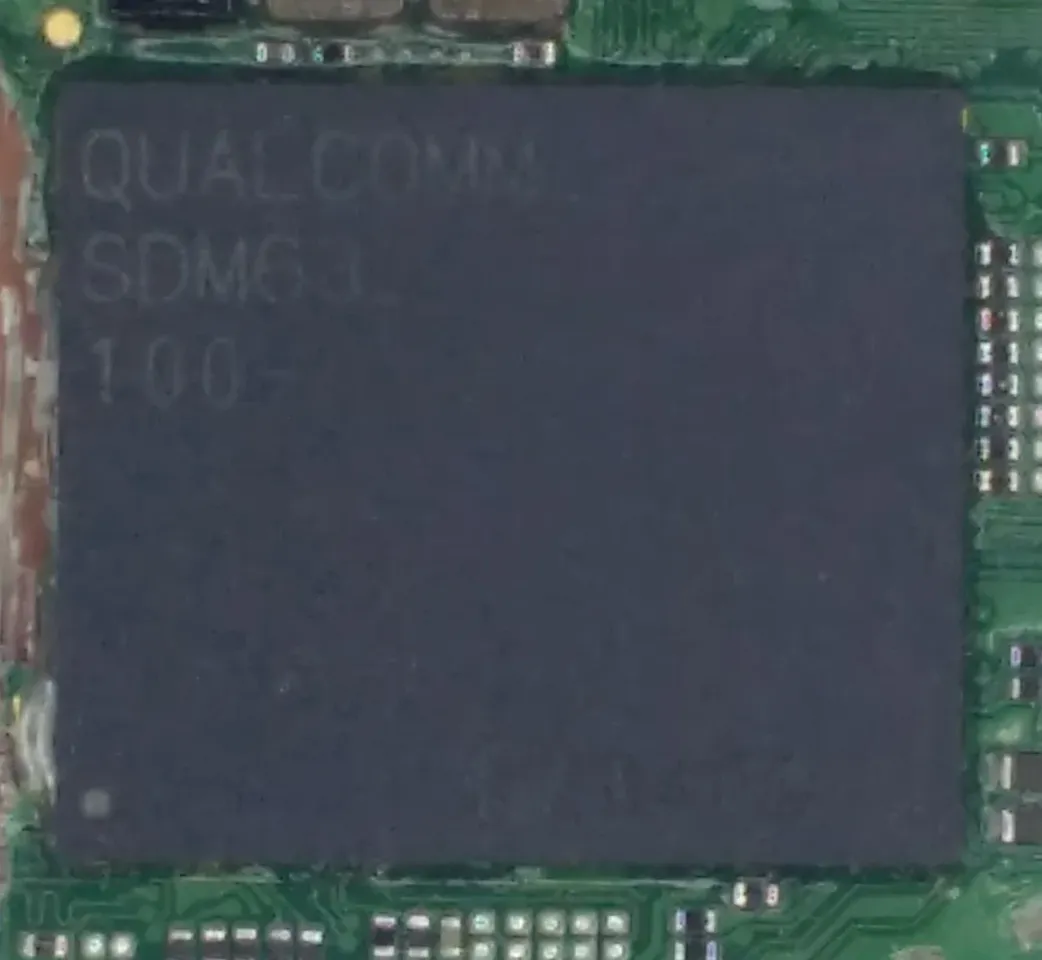
Qualcomm develops technologies used in connected devices, including Snapdragon platforms. A Snapdragon system-on-a-chip brings together several computing functions, so describing it only as a phone's CPU leaves out important parts of the design. Understanding the roles of processing, graphics, communication and software helps students read device claims more accurately.
This guide was checked on 5 November 2026 using Qualcomm's official explanations. It teaches platform concepts and specification reading. It does not rank current phones, provide a live Qualcomm share price or promise that every Snapdragon product contains identical features. Use the exact platform and device documentation for a model-specific question.
What does system-on-a-chip mean?
A system-on-a-chip, or SoC, combines multiple functions within an integrated design. Qualcomm's explanations identify components such as processing, graphics and communication functions in Snapdragon platforms. The precise arrangement depends on the product, so a general illustration should not be treated as a component inventory for every model.
Think of an organised workshop with several specialised stations. Bringing them together can change how work moves between them, but it does not make every station perform the same task. The analogy is useful for distinguishing roles, not for claiming that a chip behaves exactly like a room full of workers.
Draw a beginner's block diagram containing processing, graphics, communication and memory-related connections. Label the diagram as simplified. Then identify which details must come from the documentation of a particular platform. This prevents an educational picture from being mistaken for a complete engineering description of a current product.
How is a CPU different from a GPU?
A CPU and a GPU have different architectural roles and can contribute to different kinds of work. A CPU is not the entire device, and a GPU is not merely a label saying that a product has a colourful screen. Read the workload and software context before comparing their contributions.
For a classroom exercise, contrast following a varied sequence of decisions with performing a similar operation across many data items. The comparison introduces different patterns of computation without claiming that one processor type is universally best for every task or that every real workload fits neatly into one category.
When reading a benchmark, ask what operation it tests and which part of the system performs it. A graphics result should not be silently presented as proof of every application launch time, network speed or camera outcome. The number is meaningful only within the test's actual scope.
What are an NPU and other specialised processors?
Specialised processing functions can support particular classes of work, including tasks discussed under AI, signal processing or imaging. Their names do not establish that every application automatically uses them or that every advertised capability is available in every device. Software and integration are part of the explanation.
Use an invented workflow with input, transformation and output. Ask which step the claimed capability concerns. A system may accelerate one operation while still spending time on data preparation, communication or another part of the process. The performance of one stage is not identical to the time needed for the complete task.
Avoid treating an AI label as a complete specification. Identify the actual task, the data involved, where it runs and the conditions attached to the result. A useful explanation describes what the user can do and what evidence supports the claim, rather than relying only on a new abbreviation.
What does a modem do in a connected device?
A modem is part of the system supporting communication over the relevant network. It should not be confused with a guarantee that a user receives a particular speed everywhere. Coverage, supported arrangements and the surrounding device and network conditions matter when interpreting a connectivity claim.
Suppose an invented specification describes a maximum capability under stated conditions. The word maximum does not establish the speed of a classroom download through a busy network. Keep the distinction between a capability statement and an observed end-to-end result visible in the comparison.
For background, read the 5G explanation. That guide distinguishes network and device conditions. A processor-platform name does not replace checking the actual handset, supported connection and service available at the location where the task is being performed.
Why is the device more than its chip?
A complete device combines hardware, software, power management, thermal design, storage, memory and other parts. An SoC is important, but it does not independently establish every aspect of the finished product. Two products using a related platform can still differ in design decisions and the experience they provide.
For an analogy, imagine two computers using a similar processing component but different screens, storage and software arrangements. The shared component is useful information, yet it does not make the complete systems identical. The lesson is to identify the level at which a comparison is being made.
When researching a device, keep a platform specification separate from the manufacturer's device specification. Record which source establishes each fact. This prevents a feature supported somewhere in a platform family from being assumed present in a particular retail product without supporting documentation.
How should I read a product-family name?
Copy the exact platform name and relevant generation information. Similar names can describe different products, and an abbreviated label can hide the distinction that matters for a comparison. A family name is a starting point for research, not a complete list of specifications or supported features.
Create a comparison sheet with one row for each exact product. Include the stated source, intended device context and the specific capability under discussion. If information is unavailable, mark it as unknown rather than borrowing a figure from another generation because the names look similar.
Read dates and qualifications alongside announcements. A newly announced platform, a demonstration and a device that a customer can obtain are different stages. Do not assume that every announcement identifies an immediately available product in every country or through every device manufacturer.
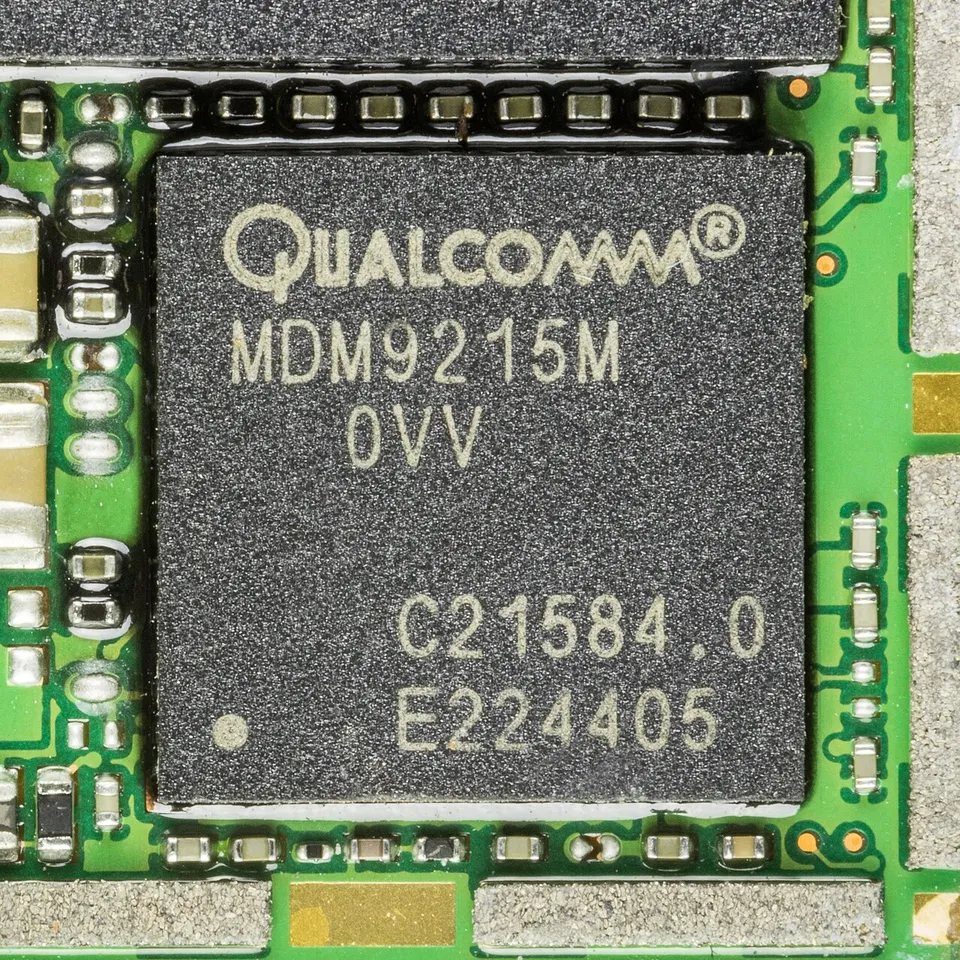
A Qualcomm modem component on a Nexus 4 mainboard, shown as archival hardware context.
What makes a performance comparison meaningful?
Start with the task. Are you comparing a calculation, a graphics workload, communication or the time needed to complete an application workflow? Those questions can require different measurements. A single headline score is not a substitute for defining what the user actually needs to do.
Keep the software version, test conditions and device context visible. If two results were obtained under different conditions, explain that limitation before interpreting the difference. A precise-looking percentage can still be an incomplete comparison when the underlying tests do not represent the same work.
For a classroom experiment, use invented data to calculate relative changes. If one task takes twelve seconds and another takes nine, the time falls by three seconds, or twenty-five percent of the original time. State that these are teaching values, not measurements of any actual Qualcomm product.
How do efficiency and battery life differ?
Efficiency describes a relationship between work and resources under specified conditions. A device's battery experience concerns a broader system and pattern of use. A claim about one component's efficiency should not be transformed into a universal promise about how long every phone lasts for every user.
Imagine two invented users performing different tasks over a day. Their device activity can differ even when the hardware is identical. A useful comparison identifies the workload rather than treating the final battery percentage as though it described a controlled test of a single component.
When reading an efficiency claim, ask what is held constant and what is being compared. Is the task completed faster, is energy use lower for a stated task, or is another quantity involved? Different answers describe different benefits and should not be merged into a single unsupported battery-life prediction.
How should I interpret on-device AI claims?
Identify whether the described operation happens on the device, through a remote service or through a combination. Read the feature's requirements, availability conditions and data handling. A chip supporting a type of computation does not establish that every application runs its entire workflow locally without a network.
For a practical learning exercise, draw a data-flow diagram for an invented assistant: input, processing, storage and output. Mark which steps are local and which require a service under the example's assumptions. The diagram makes it easier to ask precise questions about latency, connectivity and privacy.
Do not infer privacy guarantees from the word AI or the presence of an NPU alone. The application and service design also matter. Use the actual product information for claims about what information is sent, stored or processed, instead of extending a hardware capability into an unsupported promise about every application.
How are technology claims different from share-price claims?
A platform announcement concerns technology under stated conditions. A share quote concerns a financial instrument at a stated time. A company's revenue, profit and business outlook are different records again. Keeping these categories separate helps readers avoid turning enthusiasm about a product into an automatic conclusion about a stock.
For a current financial enquiry, verify the issuer and quote timestamp through an appropriate market-data source and official investor information. This article deliberately does not publish a changing price as though it were permanent. It also does not recommend a transaction based on a technical explanation.
Read business reports with their periods and definitions intact. A comparison between quarterly figures and annual figures needs context, and a product's name does not identify every source of a company's business activity. The useful habit is to state which claim a source actually supports before drawing a broader conclusion.
How can students build a useful platform project?
Choose one question, such as the difference between an SoC and a CPU or the role of a modem in an end-to-end download. A focused question makes the project easier to explain than a long list of platform names, promotional diagrams and unrelated benchmark screenshots.
Create a simple model with labelled inputs, specialised operations and outputs. State its assumptions and limitations. Ask another learner to identify what each block does and which details require product-specific documentation. A diagram is successful when its relationships are understandable, not merely when it looks complex.
The programming courses provide available material for practising related ideas in software. A small program can illustrate data transformation or timing under its own conditions. Explain that such an exercise teaches a concept and is not automatically a benchmark of a commercial chip or a recommendation for a device.
Why does a camera result need more than a processor label?
A finished image involves a chain of functions, not merely the presence of one named chip. The sensor, processing, software choices and conditions of capture can all be relevant. A platform capability should not be rewritten as a guarantee that every device produces the same photograph.
For a classroom model, separate capture, processing and display. Describe what information each stage receives and what it produces. Then identify which stage a particular claim concerns. This makes it easier to explain why a larger number in one specification does not automatically settle every question about the final image.
Keep comparisons specific: the same scene, relevant conditions and an explained observation. An attractive example photograph is not a complete controlled test of an entire platform family.
Frequently asked questions
Is Snapdragon just another name for a CPU?
Qualcomm describes Snapdragon platforms as combining several capabilities. The CPU is one role within that broader discussion, not a synonym for every part of the platform. Use the exact product documentation to identify the arrangement and features relevant to a particular device or technical comparison.
Does a modem's maximum capability equal my download speed?
An end-to-end result depends on the device, service, network and task conditions. A maximum capability statement is not a measurement of every real download. Keep the units, test context and observed result separate rather than applying a promotional number to any location or service without evidence.
Does this guide establish a current stock valuation?
No. It explains technology and source reading. A financial quote, company report and investment decision require their own relevant information. Use official investor records and appropriate current data, and do not treat an educational description of a processor platform as a prediction of a future share price.
Sources
- Qualcomm: what is Snapdragon?
- Qualcomm: moving from processors to platforms
- Qualcomm: investor information
Image credits: cover: ZyMOS, source, CC BY-SA 4.0. Resized and converted to WebP. inline: © Raimond Spekking / CC BY-SA 4.0 (via Wikimedia Commons), source, CC BY-SA 4.0. Resized and converted to WebP.
Found an error or an outdated detail? Report a correction with the article URL and original source.